



What's Happening?
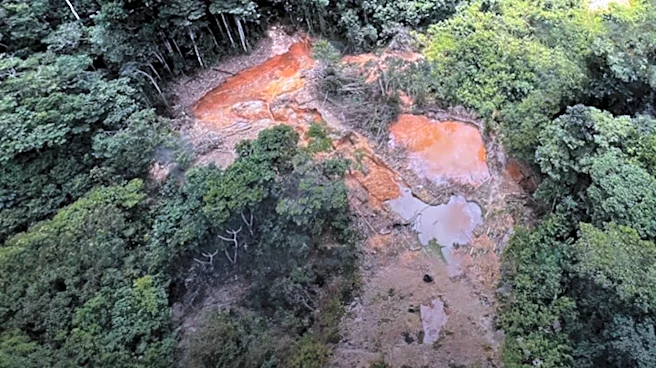
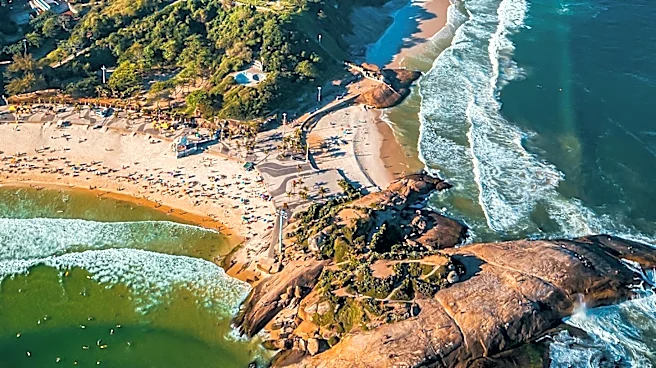
Brazil is being promoted as a destination offering a wide array of experiences for digital nomads and travelers, ranging from natural wonders to vibrant city cultures. The country boasts diverse landscapes, including the Amazon Rainforest, the beaches
of Rio de Janeiro, the Iguazu Falls, and the Pantanal wetlands. Iconic landmarks such as the Christ the Redeemer statue are also highlighted. Brazil's rich culture is reflected in its lively traditions, diverse cuisine, and the warmth of its people. While specific digital nomad visa details are not explicitly provided in the source, the country is presented as an attractive option for those seeking adventure and relaxation. The promotion emphasizes the country's ability to captivate all senses, offering a blend of outdoor activities and urban exploration.
Why It's Important?
Brazil's push to attract digital nomads and travelers signifies its recognition of the growing remote work trend and the economic benefits associated with it. For U.S. digital nomads, Brazil offers a unique opportunity for cultural immersion and diverse experiences, potentially at a lower cost of living compared to many Western countries. This can lead to personal and professional growth through exposure to new environments and perspectives. For Brazil, attracting this demographic can boost its tourism sector, stimulate local economies, and potentially foster international business connections. The emphasis on diverse experiences also helps to broaden Brazil's appeal beyond traditional tourist segments, positioning it as a comprehensive destination for those seeking both work and leisure. The lack of explicit visa details, however, might pose an initial hurdle for those planning longer stays.
What's Next?
To fully capitalize on the digital nomad trend, Brazil may need to further develop and clearly communicate specific visa pathways for remote workers. This could involve introducing dedicated digital nomad visas or streamlining existing long-stay options. Increased promotion of coworking spaces, reliable internet infrastructure, and community-building initiatives would also enhance its appeal. As more digital nomads consider Brazil, local businesses and service providers may adapt to cater to their needs, offering more flexible accommodations and services. Potential reactions from stakeholders could include increased investment in tourism infrastructure and digital services to support this growing segment of visitors. For prospective digital nomads, staying informed about evolving visa regulations and local living conditions will be crucial.
Beyond the Headlines
Brazil's appeal to digital nomads extends beyond its scenic beauty and cultural richness; it represents a broader shift in how countries are positioning themselves in the global remote work landscape. The country's vastness and diversity offer a unique proposition, allowing nomads to choose environments ranging from bustling metropolises to tranquil natural retreats. This can lead to a more distributed form of tourism and residency, potentially benefiting regions beyond traditional tourist hotspots. However, challenges such as language barriers, safety concerns, and the need for robust digital infrastructure in remote areas will need to be addressed. The long-term impact could include increased cultural exchange, economic diversification in various regions, and a re-evaluation of urban planning to accommodate a more transient, globally connected population. The ethical considerations of foreign residents' impact on local communities and economies will also remain a key aspect of this development.