






What's Happening?
Running in cold weather requires specific precautions to ensure safety and prevent injuries, according to certified personal trainers Taylor Wilson and Andrew White, and Road Runners Club of America certified running coach Jay Silva. It is crucial to warm
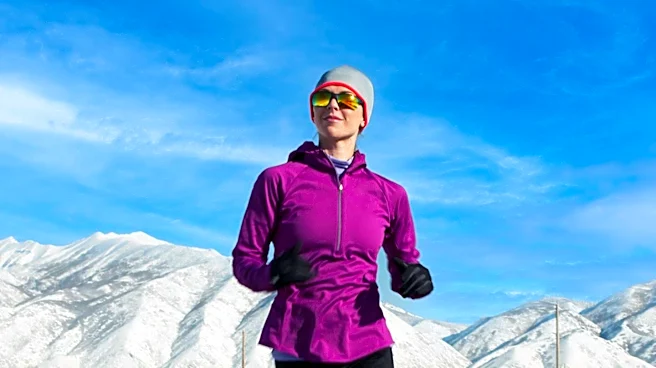
up indoors with dynamic stretches like leg swings or lunges to activate muscles, as cold muscles are more susceptible to strain. Hydration is also vital, even though sweat rates may be lower in cold conditions, as dehydration can occur unnoticed. Andrew White, founder of Garage Gym Pro, emphasizes drinking water before and after runs. Additionally, runners should be vigilant for black ice, especially during darker mornings and evenings, and adjust their stride to be shorter and quicker for better balance. Experts advise against running outdoors when temperatures are below 15 degrees Fahrenheit or the windchill is below 10 degrees Fahrenheit. Proper layering is key, with recommendations to dress as if it is 10 to 20 degrees warmer than the actual temperature, ensuring hands, feet, and head are adequately covered.
Why It's Important?
These guidelines are important for public health and safety, particularly for the growing number of individuals engaging in outdoor physical activity year-round. Ignoring these recommendations can lead to preventable injuries such as muscle strains, slips, and falls due to black ice, and health issues like dehydration or hypothermia. For the sports and fitness industry, this information underscores the need for appropriate cold-weather gear, driving demand for specialized apparel, footwear, and accessories designed for extreme conditions. Manufacturers and retailers benefit from increased sales of moisture-wicking base layers, thermal mid-layers, wind- and water-resistant outer layers, and reflective gear for visibility. Furthermore, the advice highlights the role of certified trainers and coaches in educating the public, reinforcing the value of professional guidance in exercise and wellness. Promoting safe practices helps maintain consistent participation in outdoor activities, contributing to overall public health and reducing the burden on healthcare systems from weather-related injuries.
What's Next?
As winter approaches, fitness professionals and health organizations are likely to continue disseminating these cold-weather running safety tips through various channels, including online articles, social media campaigns, and community workshops. Retailers will likely increase their marketing efforts for cold-weather running gear, emphasizing features like thermal insulation, moisture-wicking properties, and reflective elements. There may also be a continued focus on developing innovative products that enhance safety and comfort in challenging conditions, such as advanced traction footwear or smart apparel with integrated heating elements. Educational initiatives could expand to include more detailed guidance on recognizing symptoms of cold-related illnesses and when to seek medical attention. Additionally, local running clubs and fitness groups may organize more indoor warm-up sessions or offer alternative indoor training options during extreme cold spells, ensuring continuity in fitness routines while prioritizing participant safety.
Beyond the Headlines
The emphasis on cold-weather running safety reflects a broader societal trend towards year-round outdoor activity and a greater awareness of personalized wellness. This shift challenges traditional seasonal exercise patterns and highlights the importance of adapting physical routines to environmental conditions. Beyond the immediate health benefits, encouraging safe outdoor activity can foster a deeper connection with nature, even in harsh weather, potentially improving mental well-being. The market for specialized cold-weather gear also points to a consumer demand for high-performance, durable products that support an active lifestyle, influencing design and material innovation in the apparel industry. This also raises questions about accessibility, as high-quality cold-weather gear can be expensive, potentially creating barriers for some individuals to safely participate in outdoor activities during colder months. Addressing these disparities could involve community programs or affordable gear initiatives to ensure equitable access to safe exercise options.