






What's Happening?
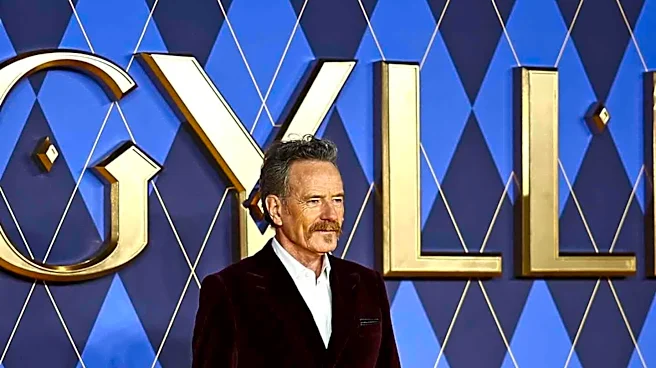
Bryan Cranston is widely recognized for his portrayal of Walter White in the AMC series Breaking Bad. The character, a high-school chemistry teacher turned meth kingpin, is considered one of television's most compelling antiheroes. Cranston's performance
earned him multiple Emmy Awards and critical acclaim. The series, created by Vince Gilligan, follows Walter White's transformation after being diagnosed with stage III lung cancer. Initially motivated by a desire to secure his family's financial future, White's journey becomes a descent into criminality, marked by moral decay and a quest for power. The character's alias, Heisenberg, symbolizes his dual life and unpredictable nature. Cranston reprised his role in the prequel series Better Call Saul and the sequel film El Camino: A Breaking Bad Movie.
Why It's Important?
Walter White's character has had a significant cultural impact, serving as a symbol of moral ambiguity and the consequences of unchecked ambition. The series has been analyzed for its critique of the American Dream, masculinity, and the healthcare system. Walter White's journey from a sympathetic figure to a villain challenges viewers to reconsider their perceptions of morality and heroism. The character's influence extends beyond television, with his iconic look and quotes becoming staples in popular culture. Cranston's portrayal has set a high standard for character development in modern television, influencing how antiheroes are depicted in media.