




What's Happening?
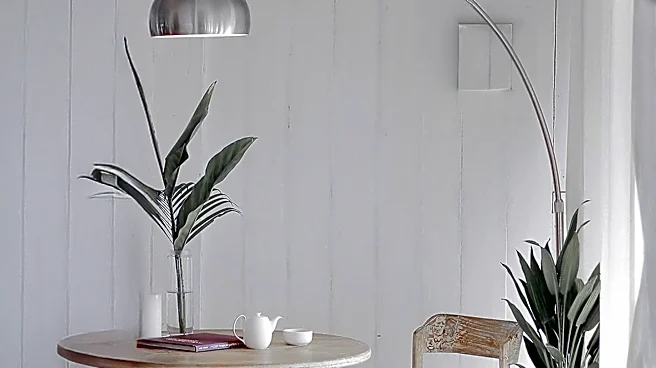
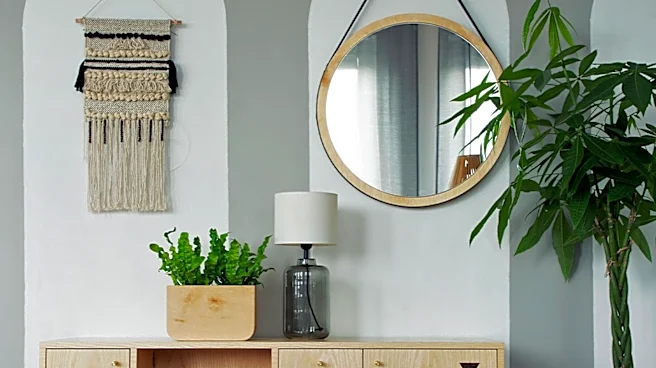
Design experts are emphasizing the importance of layered lighting to create a cozy atmosphere and improve well-being in homes. Lena Gierasinska, a design expert at Barker and Stonehouse, advises combining different types of lighting, such as ceiling pendants
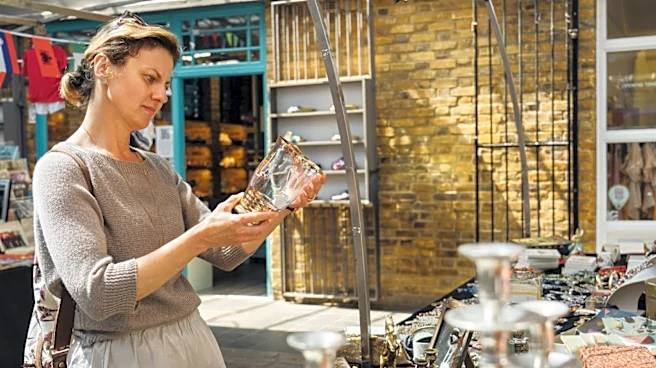
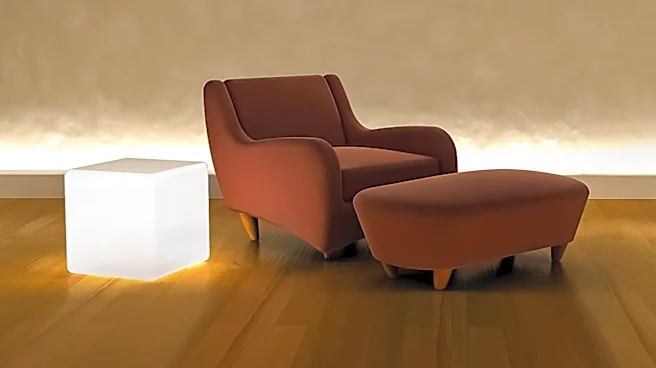
for general illumination and table lamps for task-specific purposes like reading. This approach allows for flexibility, enabling homeowners to instantly transform the look and feel of a room. The trend extends beyond individual interesting lamps to encompass the overall ambiance created by bringing together various, even seemingly clashing, light fixtures. Rosie Lynch, an interior expert at Roseland Furniture, suggests merging personal decorative items with a natural base to maintain a cohesive look, advocating for collecting unique pieces from antique and vintage shops rather than buying everything at once. The goal is to prevent spaces from feeling harsh or clinical by using warm bulbs in overhead lighting and adding ambient, low-level lamps to replicate a candlelight effect.
Why It's Important?
The emphasis on layered lighting reflects a growing understanding of how environmental design impacts daily life and mental well-being. By strategically combining different light sources, individuals can create dynamic and adaptable living spaces that cater to various activities and moods. This approach moves beyond purely functional lighting to integrate aesthetic and psychological benefits, fostering a sense of comfort and relaxation. For consumers, it means a shift towards more thoughtful and personalized home decor choices, potentially increasing demand for diverse lighting fixtures and design consultations. For the interior design industry, it highlights the value of expertise in lighting design and the curation of unique, vintage, or artisanal pieces over mass-produced items. This trend also underscores the importance of considering light temperature and intensity, promoting warmer, softer lighting for residential settings to enhance the overall quality of life within the home.
What's Next?
As this design philosophy gains traction, consumers can expect to see more diverse lighting options available in the market, ranging from vintage-inspired pieces to modern fixtures designed for layering. Retailers and interior designers will likely continue to promote integrated lighting solutions that combine general, task, and accent lighting. There may also be an increased focus on educational content for homeowners on how to effectively layer lighting to achieve desired moods and functionalities. Furthermore, the market could see a rise in demand for smart lighting systems that offer greater control over light temperature and intensity, allowing for easy adjustments to suit different times of day or activities. The emphasis on well-being through lighting may also influence architectural design, with new constructions incorporating more versatile lighting infrastructures.
Beyond the Headlines
Beyond the immediate aesthetic and functional benefits, the movement towards layered and mood-enhancing lighting touches upon deeper cultural and psychological aspects of home. In an increasingly digital and fast-paced world, the home serves as a sanctuary, and lighting plays a crucial role in creating a calming and restorative environment. The preference for warm, soft, and layered lighting can be seen as a counter-response to the often harsh and uniform illumination of modern workplaces and public spaces. This trend also subtly encourages a more mindful approach to consumption, favoring curated, unique pieces with character over disposable trends, aligning with broader movements towards sustainability and personal expression in home decor. The tactile and hands-on simplicity of adjusting physical lamps, as opposed to relying solely on smart home technology, also speaks to a desire for more tangible interaction with one's living space.