






What's Happening?
Hiking the West Coast Trail, known for its challenging terrain and scenic beauty, can be an expensive endeavor due to permits, gear, and travel logistics. However, I Backpack Canada outlines several budget-friendly strategies to make this iconic adventure
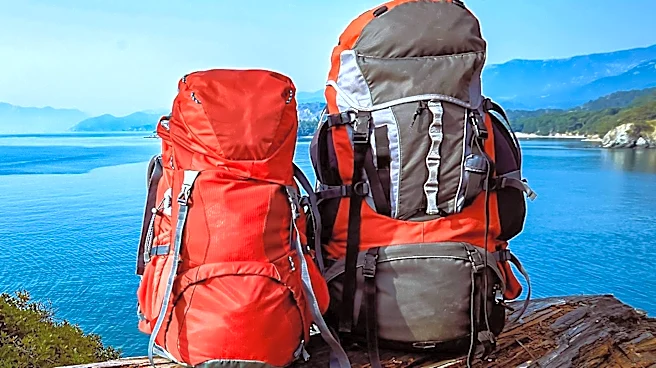
more accessible. To save on permits, hikers are advised to book well in advance, especially for peak season (May to September), and consider shoulder months like May or September for potentially lower fees. Group discounts and avoiding last-minute guided tours are also recommended. For gear, the article suggests prioritizing lightweight and durable items, opting for affordable alternatives or secondhand options for essentials like backpacks, rain gear, hiking boots, and sleeping systems. Transportation costs can be reduced by using public ferries and buses, carpooling, booking tickets early, and staying in budget accommodations near trailheads. Regarding food, buying bulk items like instant noodles, dried beans, and pasta, along with high-calorie snacks, can significantly cut costs, as can cooking meals rather than relying on expensive trailside shops. Affordable accommodation options include hostels, campgrounds, shared cabin rentals, or bringing a tent for campsites near trailheads.
Why It's Important?
The detailed budget travel tips for the West Coast Trail are significant for outdoor enthusiasts in the U.S. and Canada, as they democratize access to a renowned natural experience. By making such adventures more affordable, these strategies encourage greater participation in outdoor recreation, which has documented benefits for physical and mental health. This approach also supports local economies around popular trails by increasing visitor numbers, even if individual spending is lower. For the outdoor gear industry, it highlights a market for budget-friendly and durable equipment, potentially driving innovation in more accessible product lines. Furthermore, promoting responsible and cost-effective travel can foster a more sustainable tourism model, reducing the financial barrier that might otherwise deter individuals from engaging with natural landscapes.
What's Next?
The continued emphasis on budget-friendly outdoor adventures will likely lead to increased demand for affordable gear and services. Retailers may expand their offerings of entry-level and secondhand equipment, while tour operators might develop more cost-effective packages or provide resources for independent budget planning. National and provincial parks, including those in the U.S. that offer similar challenging trails, could see an uptick in visitors employing these strategies. There may also be a rise in community-driven initiatives, such as carpooling forums and gear-sharing platforms, to further facilitate budget travel for outdoor activities. The success of these strategies could influence policy discussions around making natural parks and trails more accessible to diverse economic groups.
Beyond the Headlines
Beyond the immediate financial savings, these budget travel tips for the West Coast Trail underscore a broader cultural shift towards valuing experiences over material possessions. It encourages a more resourceful and self-reliant approach to travel, where preparation and smart choices are celebrated. This mindset can extend beyond travel, influencing how individuals manage other aspects of their lives. Environmentally, by promoting careful planning and potentially reducing reliance on commercial services, it could foster a deeper connection to nature and a greater appreciation for conservation. Ethically, it challenges the notion that high-cost travel is superior, advocating for the intrinsic value of the adventure itself, regardless of the money spent.