



What's Happening?
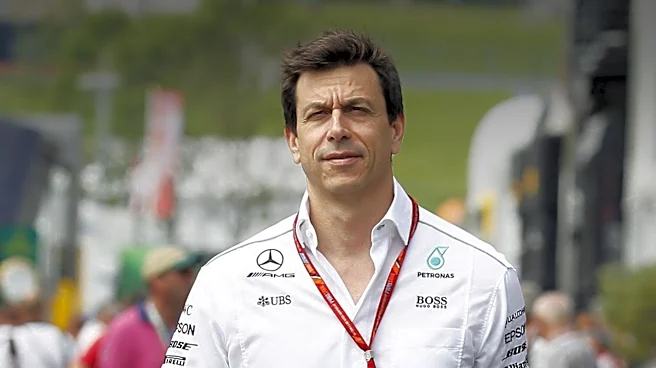
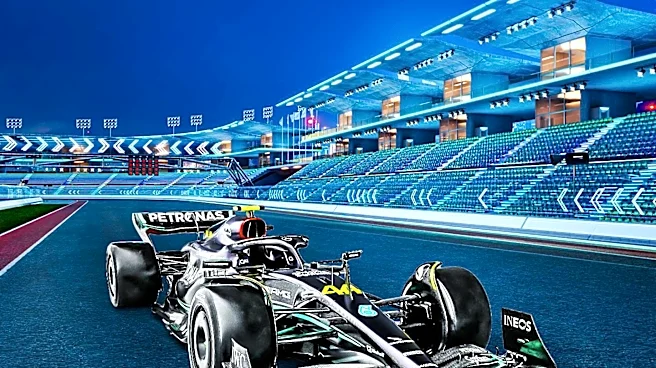
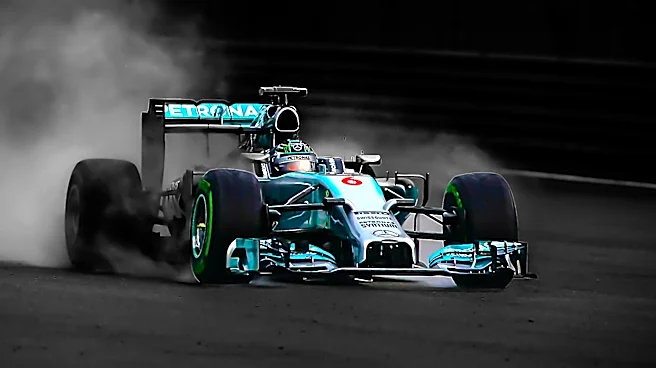
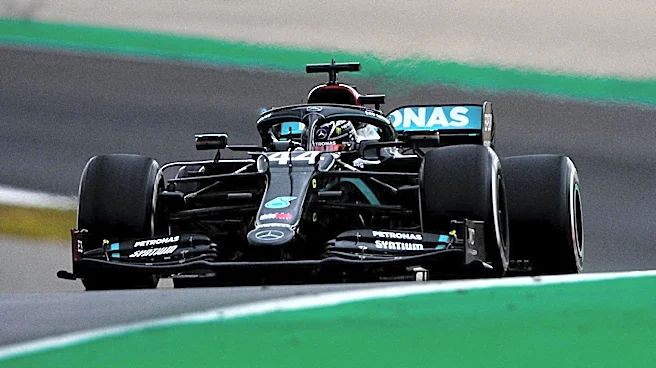
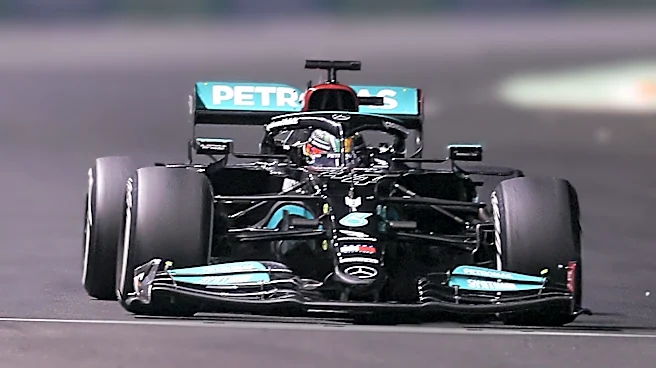
Mercedes, led by team principal Toto Wolff, has confirmed a strategic approach to introducing upgrades to their W17 car during the second half of the Formula 1 season. This decision comes as rivals like Ferrari intensify their development efforts. Mercedes has been
cautious about deploying major components, opting instead for a phased approach to upgrades. The most significant package was introduced at the Canadian Grand Prix, featuring enhancements such as a redesigned front wing and lighter gearbox, estimated to improve lap times by 0.3 seconds. Wolff emphasized the importance of timing these upgrades to maximize performance impact, rather than deploying them at every race.
Why It's Important?
The strategic timing of upgrades is crucial for Mercedes as they aim to maintain their lead in the constructors' championship, currently 72 points ahead of Ferrari. By carefully managing their resources and adhering to the cost cap, Mercedes seeks to ensure competitive advantage without overextending financially. This approach highlights the balancing act teams must perform between innovation and fiscal responsibility in the high-stakes environment of Formula 1. The outcome of this strategy could influence Mercedes' ability to fend off challenges from rivals and secure their position at the top.
What's Next?
Mercedes will continue to monitor the development race closely, adjusting their upgrade strategy as needed to respond to competitors' advancements. The team must decide when to introduce further enhancements to maintain their competitive edge. As the season progresses, the effectiveness of Mercedes' phased upgrade approach will be tested against the aggressive strategies of other teams like Ferrari. The timing and impact of these upgrades could play a pivotal role in the championship battle.
Beyond the Headlines
The decision to delay major upgrades reflects broader trends in Formula 1, where teams must navigate the constraints of the cost cap while striving for technological advancement. This situation underscores the evolving dynamics of the sport, where financial strategy is as critical as engineering prowess. Mercedes' approach may set a precedent for how teams manage resources and development cycles in future seasons.