




What's Happening?
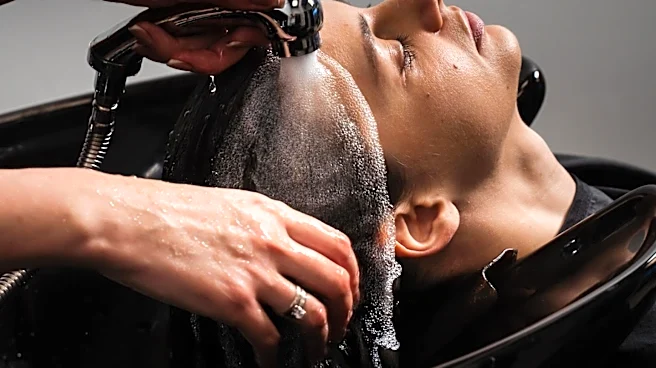
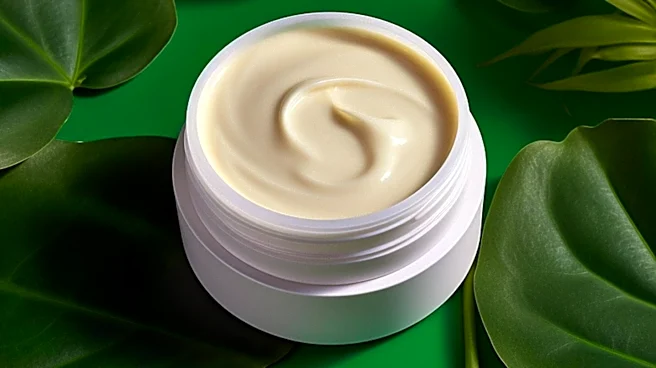
Hair stylists and health experts are recommending a technique called 'reverse hair washing' to combat dry and brittle hair. This method involves applying a hair mask or conditioner to the mid-lengths and ends of wet hair before shampooing. The mask is not
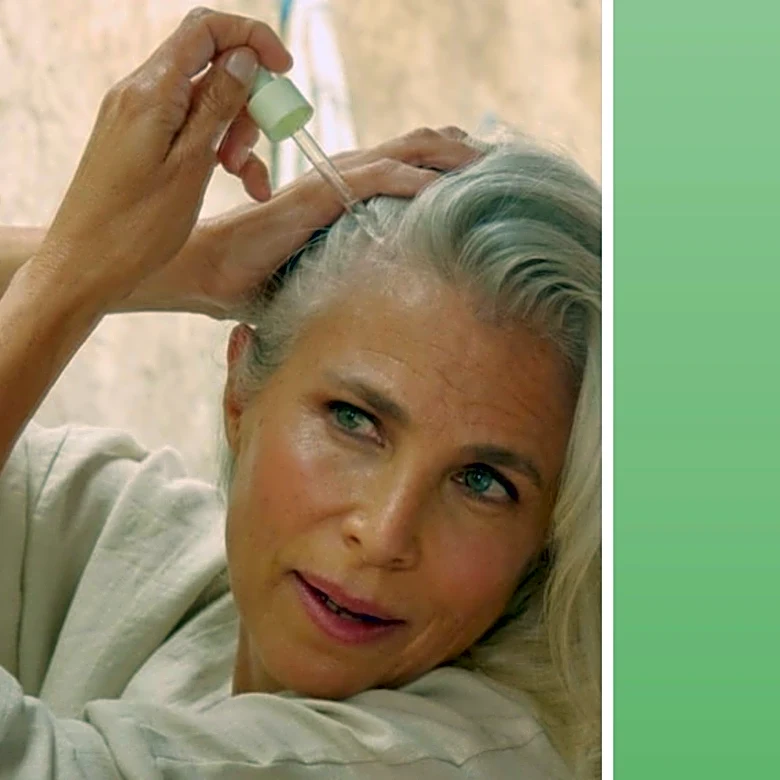
rinsed out immediately; instead, shampoo is applied directly to the scalp and massaged in, and then both products are rinsed out together. Pharmacist Helena Rodero explains that dry hair lacks nourishment, leading to a loss of flexibility and elasticity, making it fragile and prone to breakage. Hairstylist Luciano Cañete warns against over-applying hair oil, stating that only a small amount is needed, primarily on mid-lengths and ends, to avoid weighing down hair. Wilma Sortino, a hair health expert at Llongueras, highlights that this technique balances cleansing and hydration, making it suitable for frequent hair washers, especially those with dry ends. The pre-shampoo mask creates a protective barrier, shielding the hair cuticle during washing and preventing friction that can cause breakage or split ends.
Why It's Important?
This 'reverse hair washing' technique offers a significant shift in hair care routines, particularly for individuals struggling with dry and brittle hair. By applying a mask before shampoo, the hair is pre-conditioned, which can lead to improved shine, softness, and elasticity over time. This method addresses a common issue where traditional shampooing can strip hair of its natural oils, exacerb exacerbating dryness. The protective barrier formed by the pre-shampoo mask minimizes damage from washing, potentially reducing the need for intensive post-wash treatments and heat styling. For consumers, this could mean healthier hair with less effort and potentially fewer products. For the beauty industry, this trend could influence product development, leading to more pre-shampoo treatments and conditioners designed for this specific application. It also emphasizes the importance of understanding hair needs and adopting targeted strategies rather than a 'more is more' approach to product usage.
What's Next?
As awareness of 'reverse hair washing' grows, it is likely to become a more mainstream hair care practice. Consumers may increasingly seek out products specifically formulated for pre-shampoo application, such as masks and conditioners designed to provide a protective barrier. Hair care brands may respond by developing and marketing new product lines tailored to this technique, potentially leading to innovations in ingredient formulations that enhance hydration and protection. Educational content from stylists and beauty influencers on how to properly implement this method will also likely increase. Furthermore, the emphasis on targeted hair care strategies could encourage a broader shift in consumer behavior towards more personalized and informed approaches to beauty routines, moving away from generic product use and towards solutions for specific hair concerns.
Beyond the Headlines
The adoption of 'reverse hair washing' reflects a deeper trend in personal care towards preventative and protective measures rather than solely reactive treatments. This approach aligns with a growing consumer demand for holistic wellness and sustainable beauty practices, where maintaining hair health is prioritized over quick fixes. Ethically, this method encourages a more mindful consumption of beauty products, as it emphasizes using the right product in the right way, potentially reducing product waste from over-application. Culturally, it highlights the influence of expert advice from stylists and pharmacists in shaping beauty routines, moving beyond anecdotal evidence to scientifically informed practices. This shift could also contribute to a greater appreciation for the science behind hair care, empowering individuals to make more informed decisions about their beauty regimens and fostering a more educated consumer base.