


What's Happening?
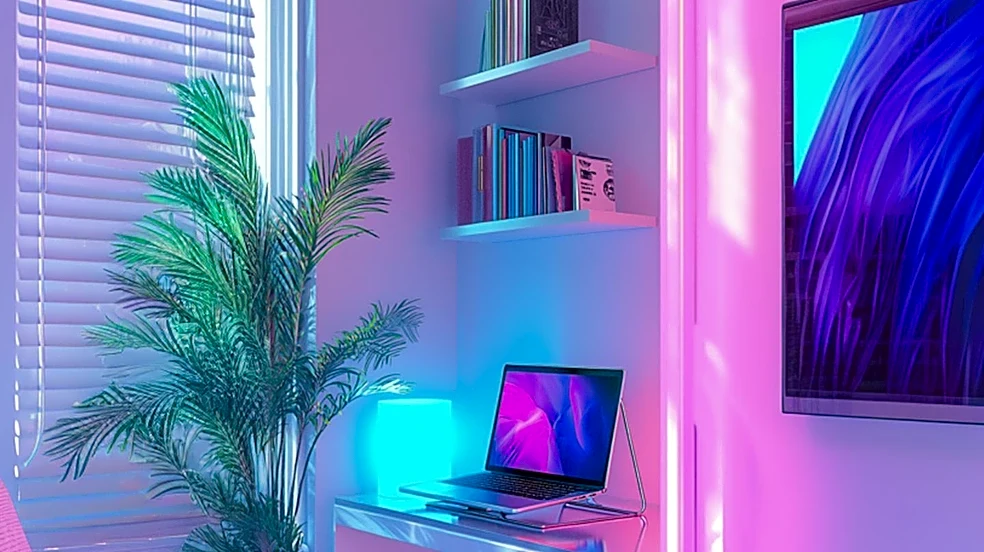
The vaporwave aesthetic is significantly influencing U.S. interior design and decor, drawing inspiration from 80s and 90s nostalgia, early internet culture, and retro-futurism. This trend incorporates elements such as pastel aesthetic windows, vaporwave wallpaper,
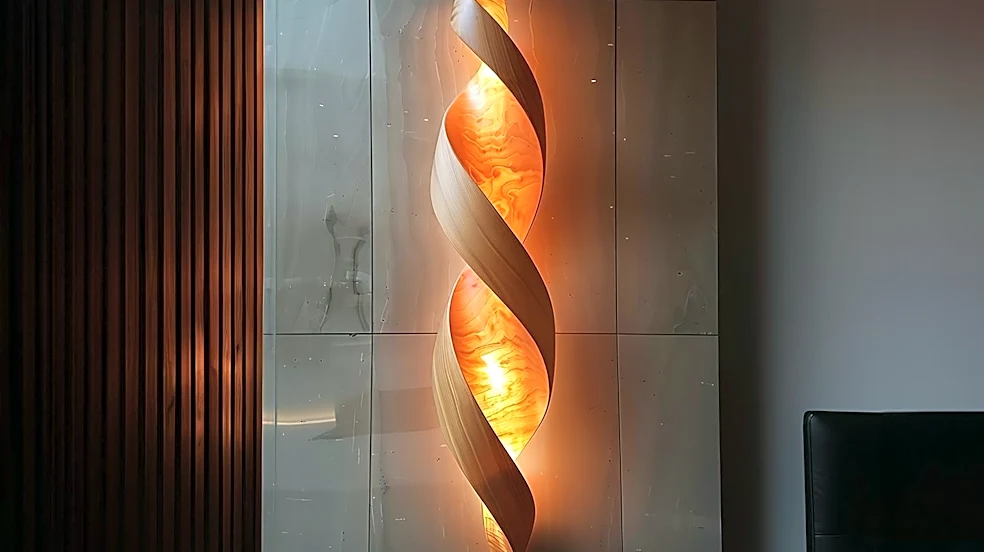
and K fashion. Specific decor items include beaded curtains reminiscent of early 2000s room makeovers, lava lamps, and cursor imagery or digital glitch art posters that evoke a sense of internet nostalgia. The aesthetic also features a blend of retro and modern technology, with items like a CD record gamer rug, Bauhaus warm retro orange lamps, and retro PC speakers with pixel screens. Upcycled floppy disk containers and metal signs with neon purple, green, and teal color palettes, often featuring retro sunset backgrounds, further define this unique style. The overall look aims to create interiors that feel both nostalgic and futuristic, often with a soft-edged, atmospheric quality.
Why It's Important?
The rise of vaporwave-inspired interiors in the U.S. reflects a broader cultural phenomenon of nostalgia for past decades, particularly the 1980s, 1990s, and early 2000s. This trend impacts the retail and home decor industries, driving demand for specific product lines that cater to this aesthetic. Businesses are adapting by offering items like retro-themed lighting, digital art prints, and vintage-inspired furniture. The emphasis on upcycling, such as floppy disk containers, also highlights a growing interest in sustainable and creative reuse within decor. This movement provides consumers with a way to personalize their living spaces, creating environments that resonate with their personal history and a collective longing for simpler, or perhaps more visually distinct, technological eras. It also signifies a shift in design preferences, moving away from minimalist or purely modern styles towards more expressive and themed interiors.
What's Next?
The continued evolution of the vaporwave aesthetic in U.S. interior design is likely to see further integration of technology and art. We can anticipate more innovative uses of digital displays for pixel art, similar to the Divoom Pixoo-64, allowing for customizable visual elements within homes. The market may also see an increase in collaborations between artists and decor brands to produce unique, limited-edition vaporwave-inspired pieces. As the trend matures, there could be a diversification into different sub-genres of retro-futurism, potentially incorporating elements from other decades or specific technological advancements. Retailers will likely expand their offerings to include more accessible and mass-produced versions of these niche items, making the aesthetic more widespread. Additionally, the influence of vaporwave might extend beyond individual decor items to architectural and spatial design, with more commercial and public spaces adopting elements of this nostalgic yet forward-looking style.
Beyond the Headlines
Beyond its aesthetic appeal, the vaporwave trend in U.S. interiors carries deeper cultural and psychological implications. It represents a form of escapism, allowing individuals to create spaces that evoke a sense of comfort and familiarity from a bygone era, often idealized. This nostalgia can serve as a coping mechanism in an increasingly complex and rapidly changing world. The aesthetic's focus on early internet imagery and technology also subtly critiques or reflects on the rapid advancement and sometimes overwhelming nature of modern digital life, by recontextualizing older, simpler forms of technology. Ethically, the trend encourages a re-evaluation of consumerism, promoting upcycling and the appreciation of vintage items, which can contribute to more sustainable consumption patterns. Culturally, it highlights the cyclical nature of trends and the enduring power of visual language to connect generations and evoke shared emotional experiences, even for those who did not directly experience the original eras.