






What's Happening?
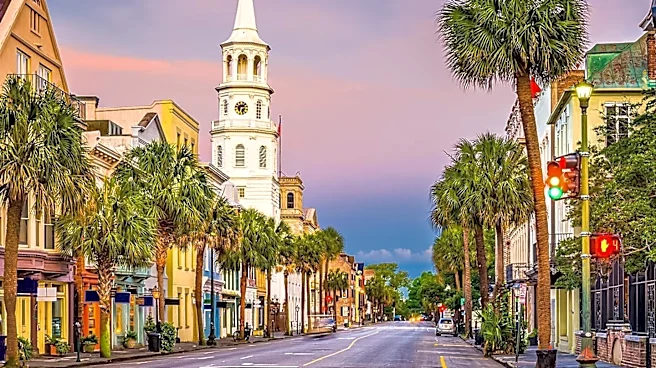
Walking tours are being offered in various locations, including Charleston, South Carolina, San Diego, California, and Ireland. In Charleston, self-guided routes are available, covering historical areas such as the Historic District, the Battery, Rainbow
Row, and the Charleston City Market. San Diego provides free, tip-based walking tours of its downtown and waterfront areas, alongside self-guided options in the Gaslamp Quarter. Additionally, Ireland features self-guided tours that include luggage transfer services, allowing travelers to explore highlights like the Cliffs of Moher and the Dingle Peninsula with ease. These tours cater to different preferences, from independent exploration to guided experiences, providing diverse ways for individuals to discover these destinations.
Why It's Important?
The availability of diverse walking tours in U.S. cities like Charleston and San Diego, as well as international destinations like Ireland, highlights a growing trend in the tourism industry towards experiential and accessible travel. For U.S. travelers, these options provide structured yet flexible ways to engage with local culture, history, and natural beauty, both domestically and abroad. The inclusion of self-guided tours empowers tourists to explore at their own pace, which can be particularly appealing for those seeking independence or budget-friendly options. The provision of free, tip-based tours in San Diego makes cultural exploration more accessible to a wider range of visitors, potentially boosting local economies through increased foot traffic to businesses. Furthermore, services like luggage transfer in Ireland address practical concerns for travelers, enhancing the overall experience and encouraging longer, more immersive trips. This trend reflects a broader shift in consumer preferences towards authentic and personalized travel experiences, impacting how destinations market themselves and how travel services are designed.
What's Next?
The continued expansion and diversification of walking tour offerings are anticipated as the tourism sector adapts to evolving traveler demands. Tour operators may further integrate technology, such as augmented reality or interactive apps, to enhance self-guided experiences and provide richer contextual information. There could also be an increase in specialized walking tours focusing on niche interests, such as culinary, architectural, or ecological themes, to attract specific demographics. Destinations might also explore partnerships with local businesses to offer exclusive deals or experiences to walking tour participants, further stimulating local economies. As sustainability becomes a more prominent concern, tour providers may emphasize eco-friendly practices and promote public transportation options for accessing tour starting points. The success of current models, particularly those offering flexibility and value, will likely encourage more cities and regions to develop similar programs, aiming to attract both domestic and international visitors seeking immersive and authentic travel experiences.
Beyond the Headlines
The proliferation of walking tours, particularly self-guided and free options, signifies a deeper cultural shift towards accessible and democratic engagement with public spaces and historical narratives. These tours often serve as informal educational platforms, allowing individuals to connect with the history, architecture, and local stories of a place in a personal and unmediated way. The emphasis on self-guided experiences also reflects a broader societal value placed on autonomy and personalized learning. Furthermore, the economic model of tip-based tours in places like San Diego challenges traditional tourism pricing, fostering a direct relationship between the guide's perceived value and their compensation, which can empower local experts and promote authentic interactions. This trend also underscores the importance of walkable cities and the preservation of historical districts, as these are the foundational elements that make such tours possible and appealing. The success of these initiatives can encourage urban planning that prioritizes pedestrian-friendly infrastructure and the maintenance of cultural heritage, contributing to the overall quality of life for residents and visitors alike.