



What's Happening?
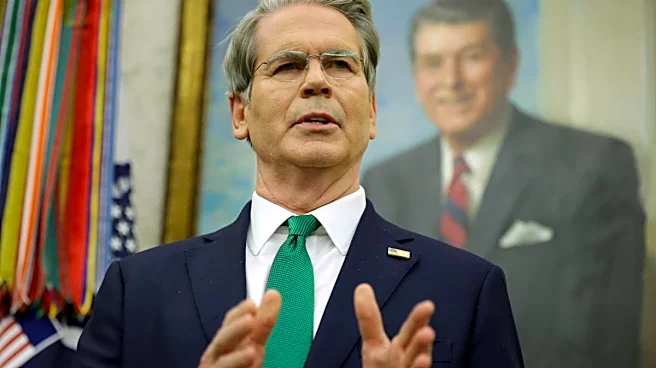
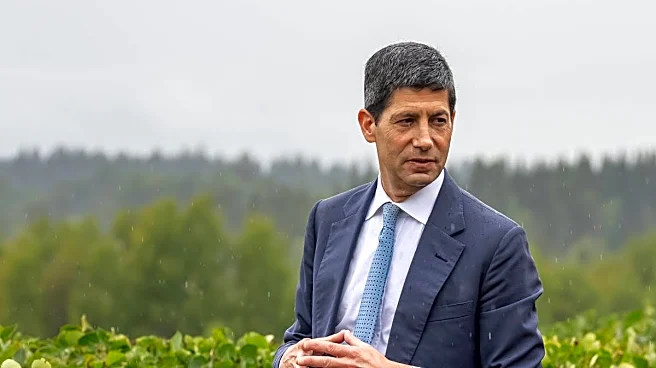
Federal Reserve Chairman Kevin Warsh delivered hawkish remarks at the Jackson Hole Economic Symposium, indicating that the Federal Reserve may need to raise interest rates in the coming months. Despite recent soft inflation numbers, Warsh stated that underlying
trends have not meaningfully improved enough to meet the Fed's inflation objective. This stance has led markets to significantly increase the probability of a 25 basis-point rate hike at the upcoming September Federal Open Market Committee (FOMC) meeting. Previously, markets had anticipated a low likelihood of a rate increase until at least December. Warsh emphasized the primacy of the policy rate as the main tool to achieve the dual mandate, dismissing the idea of using the balance sheet to tighten financial conditions without adjusting the funds rate. Treasury Secretary Scott Bessent, however, expressed a differing view, suggesting that raising rates into a supply shock is unwarranted unless significant second or third-order effects are observed, noting that core inflation has remained restrained.
Why It's Important?
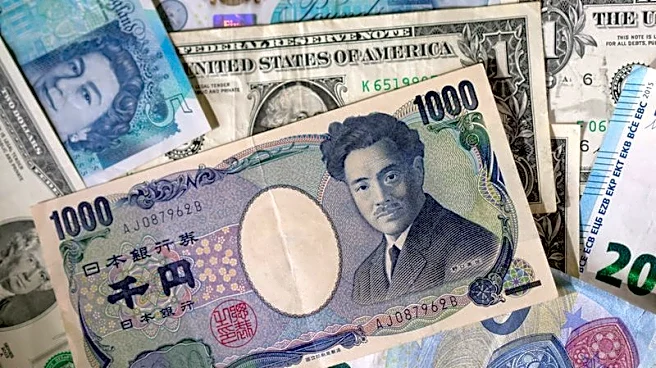
Chairman Warsh's hawkish comments are significant as they signal a potential shift in the Federal Reserve's monetary policy, directly impacting U.S. financial markets and the broader economy. A rate hike would increase borrowing costs for businesses and consumers, potentially slowing economic growth but aiming to curb inflation. This move could affect various sectors, from housing to corporate investment, as the cost of capital rises. The divergence in opinion between Warsh and Treasury Secretary Bessent highlights the ongoing debate within economic policy circles regarding the appropriate response to current inflationary pressures, especially those driven by supply shocks. The market's immediate reaction, with increased expectations for a September hike, underscores the influence of the Fed Chair's statements on investor sentiment and asset prices, including the U.S. dollar's strength against other currencies.
What's Next?
The immediate focus will be on the upcoming Federal Open Market Committee (FOMC) meeting in September, where the Federal Reserve will decide on interest rates. Before this meeting, several key economic reports are scheduled for release, including important jobs reports, consumer price index (CPI), and producer price index (PPI) data. These data points will be crucial in shaping the Fed's decision and market expectations. The eurozone-wide August flash estimate from Eurostat is also anticipated, which will provide another data point for global economic assessment. Should the Fed proceed with a rate hike, it will likely lead to further tightening of financial conditions, impacting lending rates and potentially influencing consumer spending and business investment decisions. The market will also closely watch for any further statements from Fed officials that could provide additional clarity on the future trajectory of monetary policy.
Beyond the Headlines
The Federal Reserve's potential rate hike, driven by persistent inflation concerns, carries deeper implications beyond immediate economic indicators. It highlights the complex challenge central banks face in balancing inflation control with economic growth, particularly when inflation is partly fueled by supply-side issues like geopolitical conflicts and energy price surges. The debate between addressing supply-side inflation through demand-side tools (like interest rate hikes) and the risk of overtightening into a fragile economy is a critical long-term consideration. This situation also underscores the 'one size fits all' challenge for currency unions, as seen in the eurozone, where differing inflation rates among member states complicate a unified monetary policy. The Fed's actions could also influence global capital flows, potentially strengthening the U.S. dollar and making U.S. exports more expensive, affecting international trade dynamics.