





What's Happening?
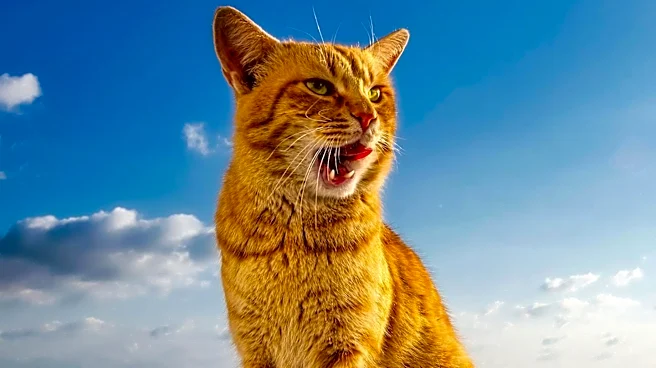
SyroCats, a non-profit cat rescue organization located on the Greek island of Syros, is actively seeking volunteers to assist with the care of its feline population. Volunteers are offered lodging and meals in exchange for their service, which includes
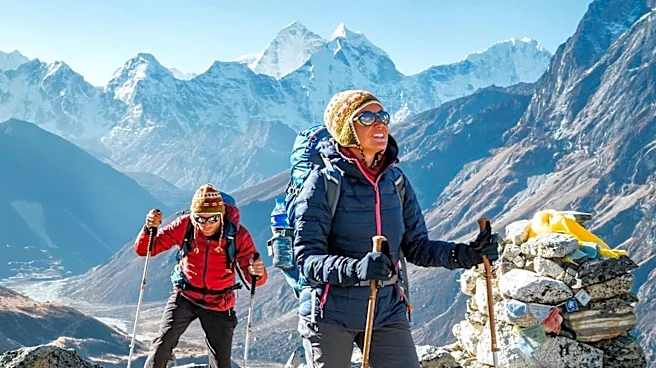
feeding feral cat colonies across the island and supporting approximately 70 long-term resident cats at their facility. The organization also provides medical care for sick or injured cats and operates a trap-neuter-return program to manage the cat population. Prospective volunteers must commit to a minimum of one month, be self-sufficient, and capable of performing daily tasks such as cleaning, lifting, and handling cats. While no prior experience is required, veterinary training or experience is considered a plus. This initiative is part of a broader trend known as 'voluntourism,' where travelers combine their trips with volunteer work for a cause at their destination.
Why It's Important?
The call for volunteers by SyroCats highlights the growing global phenomenon of voluntourism, a market estimated by Grand View Research to be worth approximately $1 billion and projected to exceed $1.5 billion by 2033. This trend offers a unique blend of travel and philanthropic engagement, appealing to individuals seeking more meaningful travel experiences. For U.S. citizens, organizations like Habitat for Humanity and the American Red Cross already provide similar opportunities both domestically and internationally. The U.S. Department of State offers guidance for Americans considering voluntourism, emphasizing the importance of preparation and awareness. The increasing popularity of voluntourism could lead to a greater flow of U.S. citizens participating in international aid and conservation efforts, potentially fostering cross-cultural understanding and contributing to global causes, while also impacting the travel and tourism industry by creating new niches and demands.
What's Next?
As the voluntourism market continues its projected growth, more organizations globally are likely to adopt similar models to SyroCats, offering unique volunteer opportunities in exchange for travel and accommodation. For individuals in the U.S. interested in such experiences, the U.S. Department of State's advice will remain a crucial resource for safe and effective participation. The expansion of voluntourism could also lead to increased scrutiny and regulation to ensure ethical practices and genuine impact, as well as to protect volunteers. Travel agencies and non-profit organizations may further collaborate to streamline the process for volunteers, making these opportunities more accessible and structured. The success of programs like SyroCats could inspire similar initiatives in other regions facing animal welfare or environmental challenges, further diversifying the voluntourism landscape.
Beyond the Headlines
The rise of voluntourism, exemplified by SyroCats, touches upon deeper societal shifts in how individuals perceive travel and their role in global communities. It reflects a desire among some travelers to move beyond conventional tourism and engage in activities that offer a sense of purpose and direct contribution. This trend also raises questions about the sustainability and ethical implications of such programs, particularly concerning the balance between providing genuine aid and offering a 'travel experience.' The involvement of U.S. citizens in international voluntourism can foster a greater sense of global citizenship and empathy, but it also necessitates careful consideration of cultural sensitivity, the long-term impact of short-term volunteer efforts, and the potential for dependency on external aid. The economic impact extends beyond the direct market size, influencing local economies in host countries through volunteer spending and the services provided.