






What's Happening?
SITA, a major player in the aviation industry, has announced its intention to acquire Collins Aerospace Airport Solutions, a subsidiary of RTX Corporation. This planned merger aims to integrate Collins Aerospace's passenger processing, baggage handling,
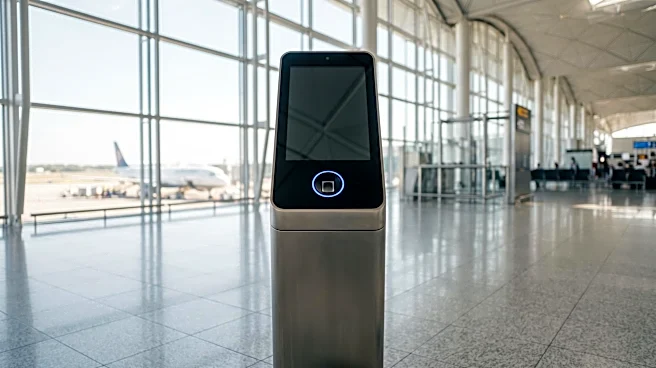
and airport operations technologies into SITA's existing and expanding biometrics portfolio. Collins Aerospace has a track record of deploying biometric solutions at various airports globally, including locations in Tokyo, Las Vegas, and the Philippines, with plans for further deployment in Fiji. This acquisition follows SITA's earlier addition of the AI operational decision-making platform Big Blue Analytics in June, which was described as a step towards creating an Intelligent Operations Control Center. The transaction is subject to standard closing conditions and is anticipated to be finalized during the first half of 2027. The financial terms of the acquisition have not been disclosed by either company.
Why It's Important?
This acquisition is significant for the U.S. aviation industry and global air travel, as it consolidates key airport technology providers. SITA's CEO, David Lavorel, emphasized that the growth in the air transport industry necessitates better coordination across all stages of the traveler journey to prevent or quickly resolve disruptions. By integrating Collins Aerospace's solutions, SITA aims to enhance its capabilities to meet this demand, potentially leading to more streamlined and efficient airport operations. For U.S. airports, this could mean a more unified approach to biometric implementation and passenger processing, improving security and passenger experience. The move also reflects a broader trend in the aviation sector towards leveraging advanced technologies, including biometrics and AI, to manage increasing passenger volumes and operational complexities. The consolidation could also impact competition within the airport technology market, potentially influencing future innovation and pricing for airport solutions.
What's Next?
The acquisition is expected to close in the first half of 2027, pending the fulfillment of usual closing conditions. Following the completion of the deal, SITA will integrate Collins Aerospace Airport Solutions into its operations, which will likely involve combining technologies and teams. This integration is anticipated to strengthen SITA's ability to serve a wider range of customers across the aviation industry, offering more comprehensive solutions for airport biometrics and operational management. Major stakeholders, including airports and airlines, can expect to see a more unified and potentially more efficient suite of technology offerings from SITA. The aviation industry will also be watching to see how this consolidation impacts the development and deployment of future biometric and AI-driven solutions for air travel, particularly concerning responsible biometrics use, a topic SITA has actively lobbied European policymakers on.
Beyond the Headlines
Beyond the immediate operational benefits, this acquisition highlights the increasing reliance of the aviation industry on advanced technology for security, efficiency, and passenger experience. The emphasis on biometrics and AI reflects a long-term shift towards automated and data-driven processes in air travel. This trend raises important considerations regarding data privacy and the ethical use of biometric data, especially as SITA has been involved in lobbying for responsible biometrics use. The consolidation of technology providers could also lead to a more standardized approach to airport operations globally, which could have both positive and negative implications for innovation and market diversity. Furthermore, as air travel continues to grow, the demand for robust and integrated technological solutions will only intensify, making such acquisitions crucial for companies aiming to lead in this evolving landscape. The deal also underscores the strategic importance of subsidiaries like Collins Aerospace within larger corporations like RTX, and how their specialized units can become attractive targets for industry consolidation.