





What's Happening?
Amazon-owned Zoox is set to begin charging for its robotaxi rides, marking a significant step as it transitions to commercial operations. The company has been granted an exemption by the National Highway Traffic Safety Administration (NHTSA), allowing
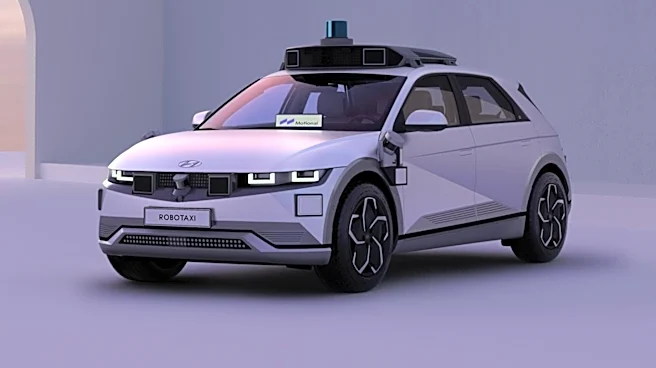
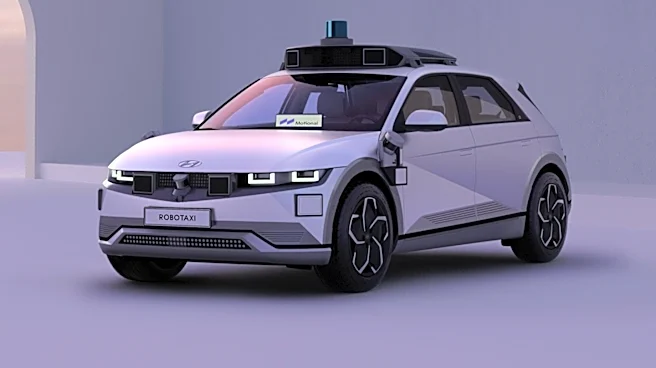
it to operate a fleet of up to 2,500 vehicles commercially for two years. This exemption is crucial as Zoox's vehicles lack traditional controls like steering wheels and pedals, which are typically required under federal law. The company has already been offering rides in Las Vegas and San Francisco and is expanding its early rider program to Miami and Austin. This development is part of a broader trend in the autonomous vehicle industry, where companies like Tesla are also exploring similar technologies.
Why It's Important?
The move to commercialize robotaxi services represents a significant milestone in the autonomous vehicle industry, potentially transforming urban transportation. By operating without traditional vehicle controls, Zoox and similar companies can redefine vehicle design and functionality, potentially leading to safer and more efficient transportation systems. This development could also spur innovation and competition among other autonomous vehicle developers, encouraging advancements in technology and infrastructure. The economic implications are substantial, as the commercialization of autonomous vehicles could lead to new business models, job creation in tech and transportation sectors, and shifts in urban planning and public transportation policies.
What's Next?
As Zoox begins its commercial operations, the company will likely focus on expanding its service areas and refining its technology to ensure safety and reliability. The success of this venture could influence regulatory frameworks and public acceptance of autonomous vehicles. Other companies in the industry may follow suit, seeking similar exemptions and launching their own commercial services. Stakeholders, including city planners, policymakers, and the public, will need to address challenges related to infrastructure, safety standards, and the integration of autonomous vehicles into existing transportation systems.