



What's Happening?
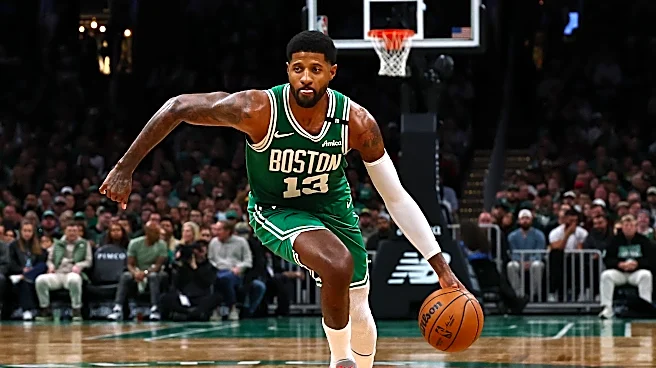
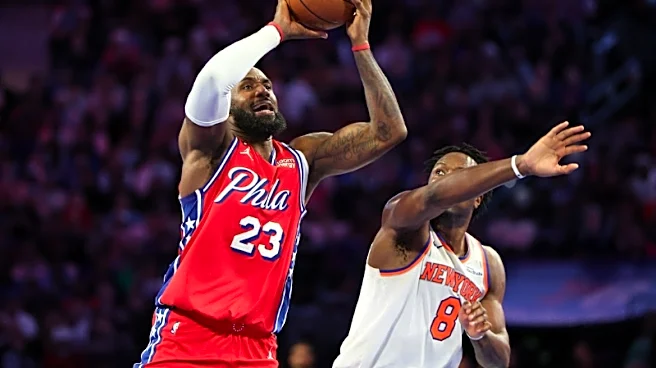
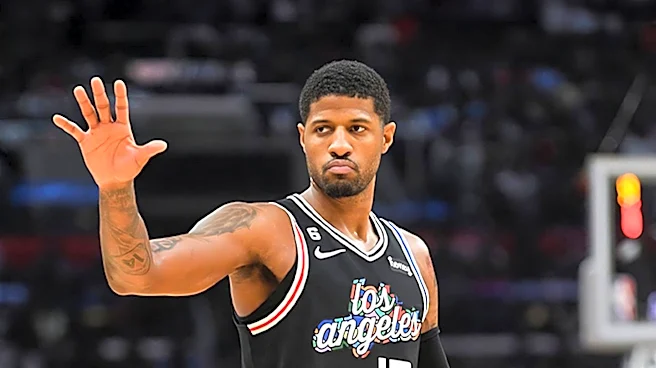
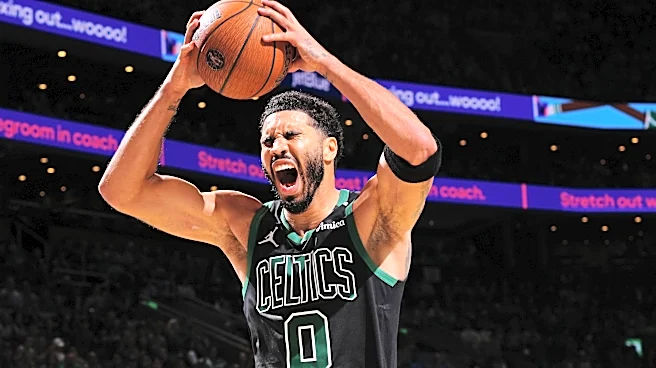
Paul George, a player for the Celtics, will not participate in Monday's game against the Houston Rockets. This decision is not due to an injury but is described as a planned 'maintenance day' for the veteran player. With George sidelined, other Celtics players,
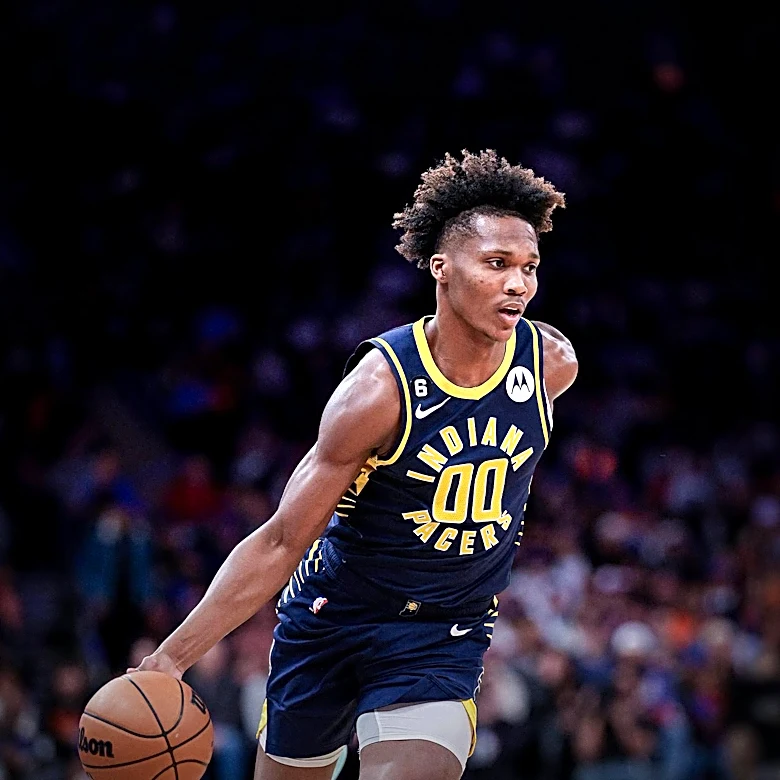
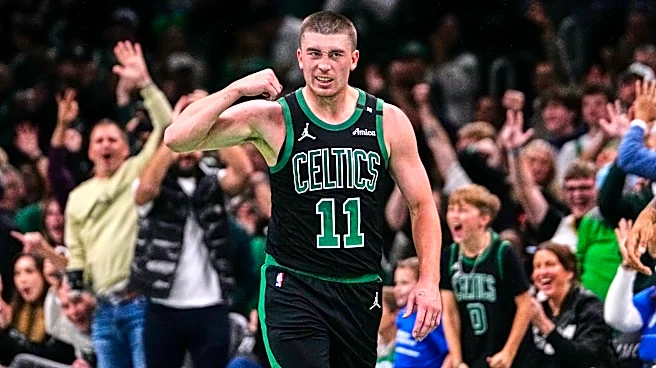
specifically Payton Pritchard and Baylor Scheierman, are expected to see increased minutes on the court to compensate for his absence. This strategic resting of key players is a common practice in professional sports to manage player fatigue and prevent potential injuries over a long season. The team's decision highlights a proactive approach to player management, ensuring their veteran athletes remain in optimal condition.
Why It's Important?
The decision to rest Paul George, a prominent player for the Celtics, carries significance for both the team and the broader NBA landscape. For the Celtics, it underscores a strategic approach to player health and longevity, particularly for veteran athletes. While it means a temporary reduction in star power, it aims to keep George fresh for critical games later in the season and the playoffs. This move also provides an opportunity for younger players like Payton Pritchard and Baylor Scheierman to gain valuable experience and demonstrate their capabilities in a more prominent role. For fantasy basketball players and bettors, George's absence directly impacts game outcomes and statistical projections, requiring adjustments to lineups and wagers. The practice of resting key players, even without injury, reflects a modern trend in professional sports focused on load management and long-term athlete welfare, influencing team strategies across the league.
What's Next?
Following Paul George's planned rest day, he is expected to rejoin the Celtics lineup for subsequent games, assuming no unforeseen issues arise. The team will monitor his performance and physical condition closely to determine if further rest days or adjustments to his playing time are necessary throughout the season. For Payton Pritchard and Baylor Scheierman, this opportunity to absorb more minutes will be a chance to prove their value and potentially earn more consistent playing time in the future. The Celtics' coaching staff will evaluate their contributions in George's absence, which could influence future rotation decisions. This strategic resting pattern is likely to continue for veteran players across the league, especially as teams navigate demanding schedules and prioritize player health for playoff contention.
Beyond the Headlines
The practice of resting star players, even when not injured, reflects a significant shift in professional sports management, moving beyond traditional injury-response to proactive load management. This approach acknowledges the physical toll of a long season and aims to optimize player performance and career longevity. While beneficial for player welfare, it raises broader questions about competitive integrity and fan experience, particularly for those who purchase tickets specifically to see star athletes. The NBA, in particular, has grappled with how to balance player health with the desire for competitive games and fan engagement. This trend also highlights the increasing sophistication of sports science and analytics in professional teams, where data-driven decisions are made to maximize athletic output and minimize risk. The long-term implications could include changes to league scheduling, roster construction, and even the perception of what constitutes a 'full effort' from star players.