






What's Happening?
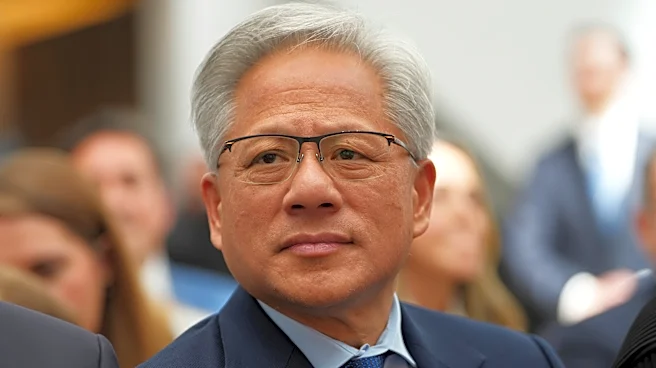
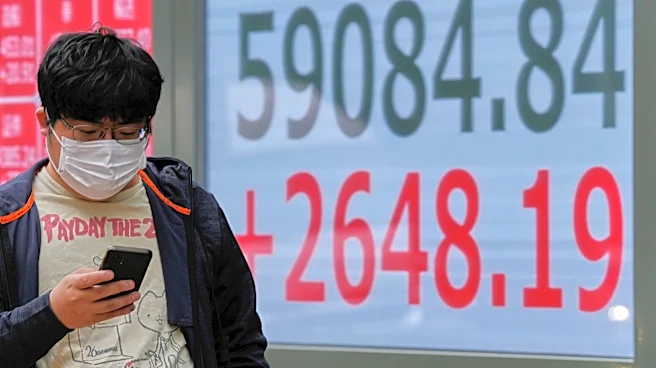
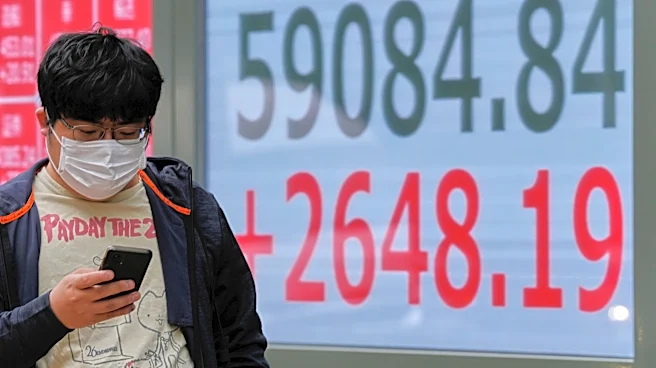
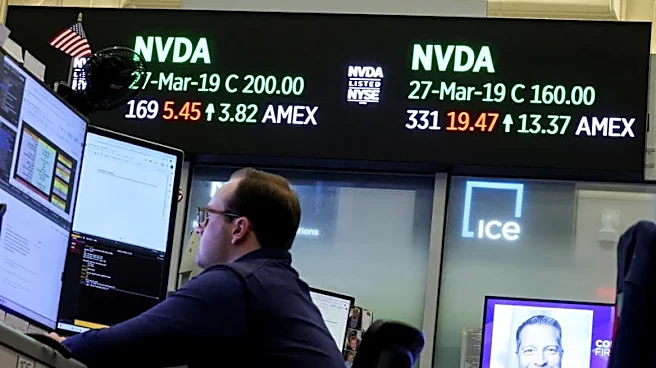
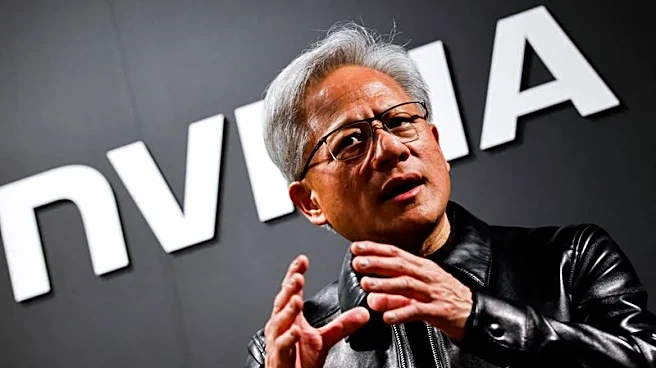
The Nikkei 225 experienced a significant rebound, closing up 3.91% at 58,645 in Tuesday's post-holiday session. This recovery follows the reinstatement of Nvidia CEO Jensen Huang, which positively impacted shares of major Asian partners and suppliers.
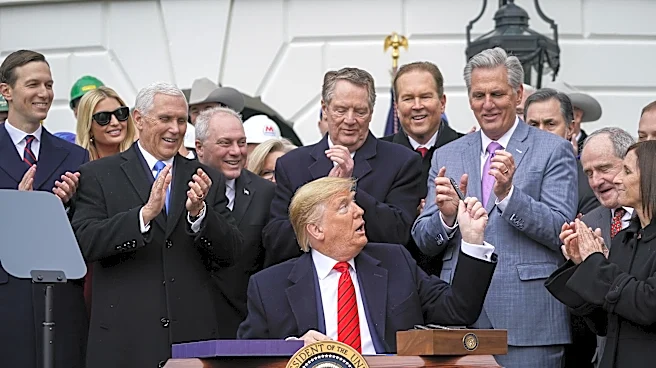
President Trump publicly welcomed this development, stating that the U.S. government had no reason to believe Huang posed a threat to national security. This announcement has revitalized sentiment within the artificial intelligence sector, which had recently faced considerable selling pressure due to concerns over high valuations and financing risks. Japanese companies that supply key components to Nvidia saw substantial gains, including Advantest (12.5%), Ibiden (15%), Murata Manufacturing (14.9%), Furukawa Electric (11.5%), and Tokyo Electron (7.7%). Beyond the tech sector, financial, consumer, and industrial stocks also advanced, with Mitsubishi UFJ rising 4.4%, Fast Retailing gaining 2.2%, and Mitsubishi Heavy Industries climbing 3.4%.
Why It's Important?
The reinstatement of Jensen Huang as Nvidia CEO, coupled with President Trump's endorsement, signals a renewed confidence in the artificial intelligence sector, which is a critical area for technological advancement and economic growth. The U.S. administration's stance on Huang's security implications directly impacts the global supply chain for AI components, particularly benefiting Japanese manufacturers. This development could stabilize investor confidence in AI companies, potentially leading to increased investment and innovation in the sector. For U.S. technology companies, a stable and robust supply chain from key Asian partners is crucial for continued product development and market competitiveness. The positive market reaction in Japan also indicates the interconnectedness of global financial markets and the significant influence of U.S. political statements on international business sentiment. The gains across various Japanese sectors suggest a broader positive economic ripple effect stemming from renewed optimism in the tech industry.
What's Next?
The positive market reaction following Jensen Huang's reinstatement and President Trump's statement suggests a potential period of increased stability and investment in the artificial intelligence sector. Stakeholders, including investors, tech companies, and component suppliers, will likely monitor further statements from the U.S. administration regarding technology leadership and national security. The improved sentiment could encourage more venture capital and private equity investments into AI startups, fostering innovation and competition. Japanese suppliers to Nvidia may see continued demand for their components, potentially leading to increased production and revenue. The broader financial markets will likely watch for sustained growth in the AI sector as an indicator of overall economic health. Any future policy shifts or trade discussions between the U.S. and its allies regarding technology and supply chains could further influence market dynamics and corporate strategies.
Beyond the Headlines
This event highlights the significant influence of geopolitical considerations and presidential statements on global technology markets and supply chains. President Trump's direct endorsement of Jensen Huang's reinstatement underscores the strategic importance of key technology leaders and companies in the context of national security and economic competitiveness. It also reflects the delicate balance between fostering technological innovation and addressing potential security concerns in a rapidly evolving global landscape. The immediate positive market response in Japan demonstrates the deep integration of the U.S. and Asian economies, particularly in high-tech sectors like AI. This situation could set a precedent for how future U.S. administrations engage with international tech leadership, potentially shaping global technology governance and trade policies. The broader implication is a reinforcement of the idea that political stability and clear governmental stances can significantly impact investor confidence and market performance in critical industries.