





What's Happening?
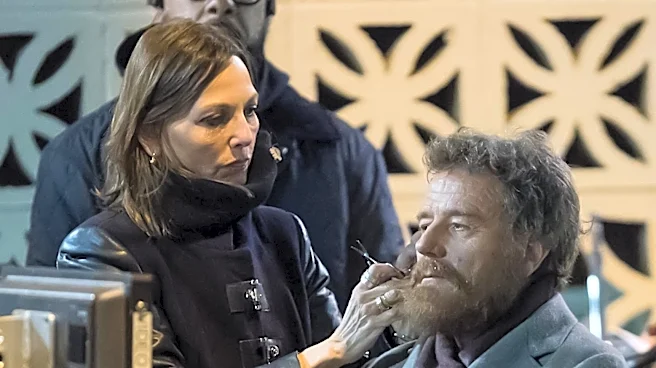
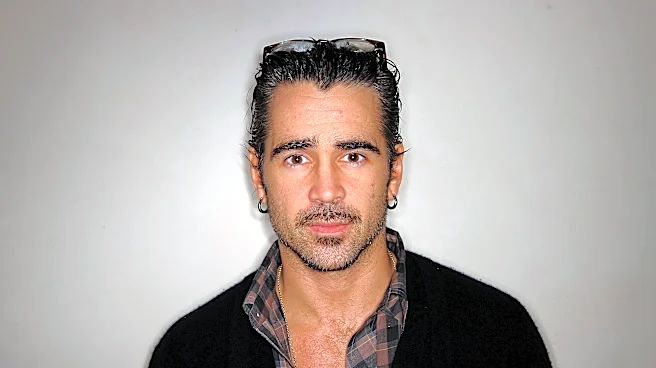
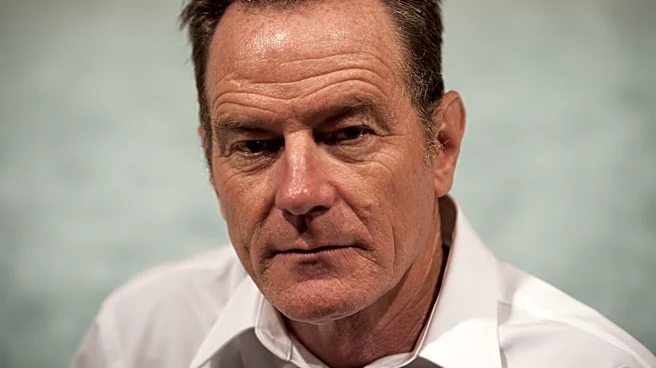
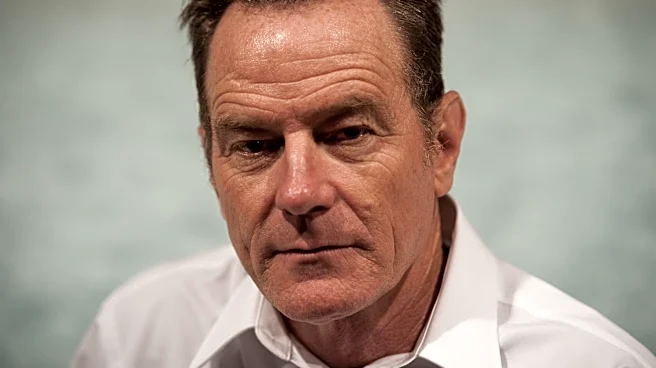
Bryan Cranston played the villainous Chancellor Vilos Cohaagen in the 2012 remake of 'Total Recall,' a science fiction film starring Colin Farrell as Douglas Quaid. Directed by Len Wiseman, the movie depicts a futuristic world where Quaid uncovers fabricated
memories and battles Cohaagen, who plans to destroy a civilization for the benefit of his United Federation of Britain. Cranston was drawn to the role due to the perceived layers and nuances of Cohaagen's character, viewing him not merely as an evil dictator but as someone who believes his actions are justified. The remake, while praised for its set-pieces, received mixed reviews compared to the 1990 original, with critics noting a lack of humor and character depth.
Why It's Important?
Bryan Cranston's portrayal in 'Total Recall' underscores the enduring appeal of complex antagonists in cinema. His approach to Cohaagen, seeking to understand the character's internal logic rather than simply playing him as purely evil, highlights the depth that skilled actors can bring to villainous roles. This performance contributes to the broader discussion within the entertainment industry about character development and the importance of nuanced portrayals, even in action-oriented sci-fi films. For audiences, it offers a different perspective on villainy, challenging them to consider the motivations behind seemingly malevolent actions, which can enrich the viewing experience and spark critical thought about morality and power.
What's Next?
While the 2012 'Total Recall' remake has already been released, discussions surrounding Cranston's performance and the film's reception continue to influence how future remakes and sci-fi adaptations are approached. The critical feedback regarding the remake's comparison to the original, particularly concerning humor and character depth, serves as a lesson for filmmakers. Future projects in the sci-fi genre, especially those based on established works, will likely continue to grapple with balancing fidelity to source material with the need for fresh interpretations and compelling character arcs, potentially leading to more nuanced and critically engaging productions.
Beyond the Headlines
Cranston's interpretation of Chancellor Cohaagen touches upon the psychological complexities of power and justification. His desire to find 'layers' in the villain reflects a deeper artistic and philosophical inquiry into human nature—how individuals in positions of authority can rationalize destructive actions for what they perceive as a greater good or personal benefit. This exploration resonates beyond the film, prompting audiences to consider real-world leaders and their motivations. It also highlights the challenge of remaking beloved classics, where the new iteration is constantly measured against the original's cultural impact and thematic depth, often leading to debates about artistic integrity versus commercial viability.