



What's Happening?
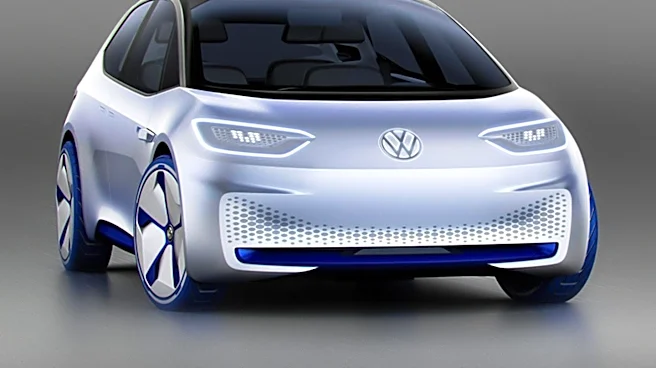
Andreas Mindt, Head of Group Design for Volkswagen Group, is advocating for a shift towards 'friendlier' car designs, moving away from the aggressive front ends that have become prevalent in the automotive industry. Mindt, who also leads design for the core
VW brand, believes that the trend of intimidating styling is 'nonsense' and that cars do not need to look like they are designed for confrontation. He argues that some automakers adopt aggressive designs to make their vehicles appear stronger, but Volkswagen does not want to follow this path. Mindt's approach applies specifically to the core VW brand, while acknowledging that more dramatic styling suits brands like Lamborghini and Cupra due to their distinct personalities. He also noted that earlier electric models from VW, such as the pre-facelift ID.3, lacked the brand's DNA and that the recently launched ID.3 Neo aims to correct this with a less radically futuristic look and the reintroduction of physical controls based on customer feedback.
Why It's Important?
This shift in design philosophy by Volkswagen Group's design chief is significant for the U.S. automotive market and consumer culture. For years, many car manufacturers have leaned into aggressive, imposing designs, particularly for SUVs and trucks, which often appeal to a segment of American consumers. Mindt's call for 'friendlier' faces could signal a broader change in aesthetic trends, potentially influencing other automakers to reconsider their design language. This could lead to a more diverse range of vehicle appearances on U.S. roads, moving away from a uniform 'intimidating' look. Furthermore, Mindt's comments about avoiding division between electric and combustion vehicle owners through design are crucial as the U.S. transitions to EVs. A less polarizing design approach could help normalize electric vehicles and encourage broader adoption among consumers who might be hesitant about radically different aesthetics.
What's Next?
In the immediate future, consumers can expect to see Volkswagen's core brand vehicles, particularly new electric models, reflecting this 'friendlier' design philosophy. This will likely involve softer lines, less angular features, and a more approachable aesthetic. The success of models like the ID.3 Neo, which aims to integrate VW's traditional DNA with EV technology, will be a key indicator of how this new direction resonates with the market. Other automotive brands will be closely watching Volkswagen's strategy, and if it proves successful, it could inspire a broader industry trend towards less aggressive styling. Additionally, this design shift might be accompanied by marketing campaigns that emphasize community, approachability, and environmental consciousness, aligning with the 'friendly' car concept.
Beyond the Headlines
Beyond the aesthetic changes, Mindt's design philosophy touches upon deeper cultural and psychological aspects of car ownership and urban living. His desire for a 'friendly world' where cars don't look like they're 'designed to kill zombies' reflects a potential societal yearning for less confrontational public spaces and interactions. In the U.S., where vehicle size and perceived aggression can sometimes be linked to status or safety, a move towards friendlier designs could subtly influence driving behavior and road culture, fostering a more cooperative environment. Moreover, by consciously avoiding designs that reinforce a divide between EV and combustion car owners, Volkswagen is attempting to mitigate social friction during a significant technological transition. This approach could contribute to a more harmonious integration of new technologies into everyday life, promoting acceptance rather than alienation.