



What's Happening?
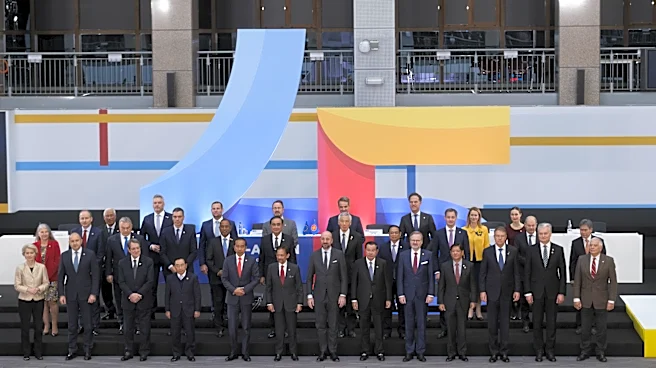
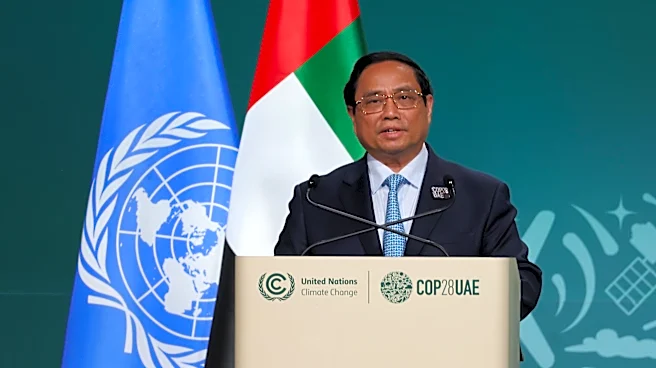
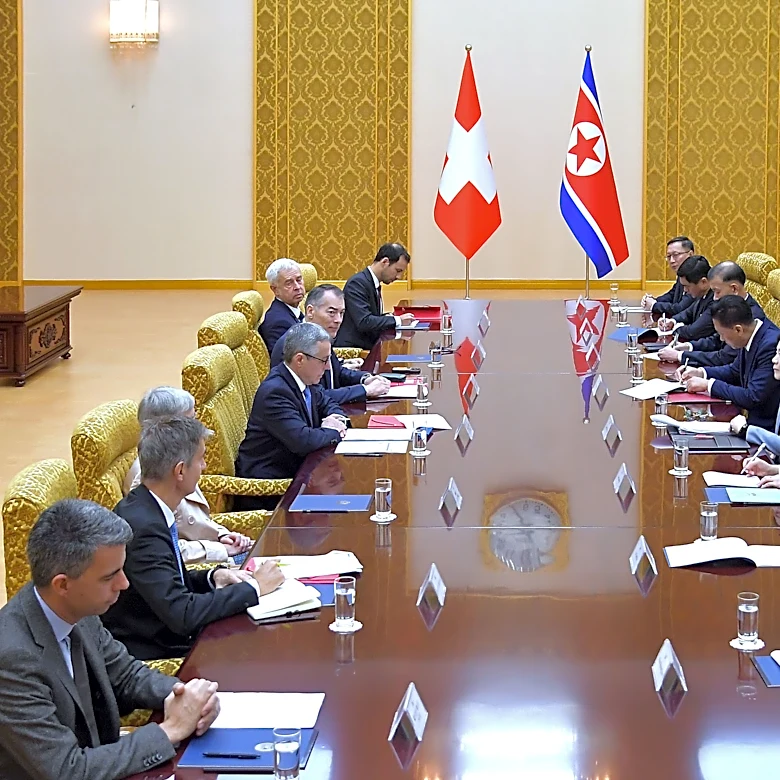
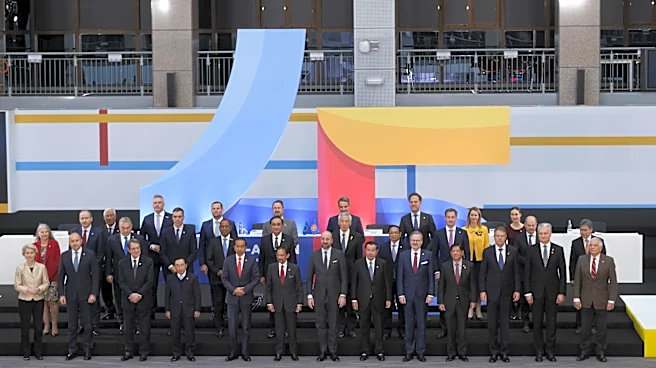
Vietnamese Prime Minister Hung recently met with EU Commissioner for Trade and Economic Security Maroš Šefčovič, along with ministers and heads of delegations from CPTPP member economies in Ha Noi. The meeting occurred on the sidelines of the 11th CPTPP Commission Meeting.
PM Hung expressed gratitude for the support during Viet Nam's CPTPP chairmanship year in 2026 and welcomed the EU Commissioner's participation, acknowledging the EU's role in fostering connectivity between significant economic regions. He noted satisfaction with the CPTPP's progress, including increased membership and growing interest from other economies. The Prime Minister highlighted the importance of dialogue among partners committed to open, rules-based trade, especially given the current volatility in the global economy. Viet Nam is embarking on a new development phase, aiming for an average annual GDP growth of at least 10% between 2026-2030, with the goal of becoming a developed, high-income country by 2045. This ambition is underpinned by a focus on science, technology, innovation, digital transformation, green transition, and a circular economy.
Why It's Important?
This engagement underscores Viet Nam's strategic commitment to international trade agreements and partnerships, which is crucial for its ambitious economic development goals. By prioritizing open, rules-based trade and strengthening multilateral trading systems, Viet Nam aims to secure its position in the global economy. The emphasis on dialogue and cooperation with CPTPP members and the EU is vital for maintaining stability and predictability in trade relations, especially in a volatile global economic landscape. For U.S. businesses and economic stakeholders, Viet Nam's growth and its integration into global trade blocs like the CPTPP present opportunities for investment, market access, and supply chain diversification. The focus on digital transformation, green transition, and innovation aligns with global trends and could attract foreign direct investment from countries seeking to engage with economies committed to sustainable and technologically advanced development. Conversely, any instability in these trade relationships could impact global supply chains and investment flows.
What's Next?
PM Hung called on CPTPP members to maintain solidarity, uphold their pioneering role in promoting open, rules-based trade, and strengthen the multilateral trading system, with the World Trade Organization (WTO) at its core. He urged support for upgrading and expanding the agreement based on consensus, ensuring high standards and effective implementation that benefits businesses and people. The Prime Minister also advocated for stronger connectivity and cooperation between the CPTPP, the Association of Southeast Asian Nations (ASEAN), and the EU to leverage complementary strengths in areas like supply chain connectivity, trade, investment, digital transformation, green transition, innovation, and sustainable development. Furthermore, there will be continued efforts to support businesses, particularly small and medium-sized enterprises, to utilize CPTPP commitments, enhance competitiveness, and integrate into regional and global value chains. Viet Nam is committed to comprehensive legal reforms and improving its investment and business environment to facilitate long-term investment and cooperation.
Beyond the Headlines
The discussions extend beyond immediate trade benefits, touching upon the broader geopolitical and economic implications of regional cooperation. The call for stronger dialogue and collaboration between CPTPP, ASEAN, and the EU highlights a strategic effort to build trust and expand cooperation across dynamic economic regions. This could lead to the formation of more resilient and diversified global supply chains, reducing reliance on single regions or countries. The emphasis on digital transformation, green transition, and a circular economy reflects a forward-looking approach to economic development that integrates environmental sustainability and technological advancement. This could set new standards for international trade agreements, influencing future policy decisions and investment priorities globally. The commitment to supporting small and medium-sized enterprises (SMEs) also points to an inclusive growth strategy, aiming to ensure that the benefits of trade integration are widely distributed across the economy.