




What's Happening?
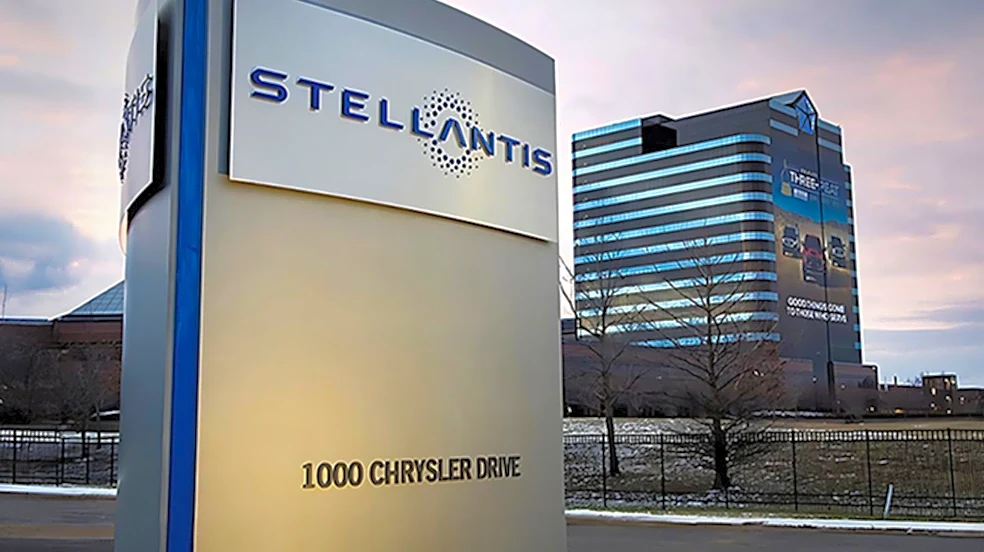
Stellantis NV, a major automotive group, plans to hire hundreds of additional engineers across its European and U.S. operations this year. This initiative is part of a broader strategy to support the rollout of dozens of new models, including nine concept
cars showcased at the Paris Motor Show. Ned Curic, Stellantis NV Chief Engineering and Technology Officer, confirmed the hiring plans, emphasizing the need for growth within the company's engineering teams. This move contrasts with some competitors, such as Volkswagen AG and Renault SA, which are reportedly reducing their engineering workforces. Stellantis CEO Antonio Filosa has committed approximately $67 billion through 2030 to launch these new models and enhance profitability. The company is also engaging in co-development projects, including electric Citroën and Opel models, with Chinese partner Zhejiang Leapmotor Technology Co., aiming to leverage Chinese technology for more affordable electric vehicles in Europe.
Why It's Important?
This significant hiring push by Stellantis underscores a strategic commitment to innovation and product development in the highly competitive automotive sector. By expanding its engineering workforce in both Europe and the U.S., Stellantis aims to accelerate the design and production of new vehicles, particularly electric models, which are crucial for future market relevance and profitability. The investment of $67 billion through 2030 highlights the company's long-term vision to transform its product lineup and improve financial performance. This strategy could position Stellantis to better compete with emerging electric vehicle manufacturers and traditional rivals. The co-development efforts with Leapmotor also signal a pragmatic approach to integrating advanced technologies and cost-effective manufacturing practices, potentially influencing the broader industry's approach to EV development and international partnerships. The success of these initiatives could lead to a stronger market position for Stellantis and impact employment trends in the automotive engineering sector.
What's Next?
Stellantis will proceed with the recruitment of hundreds of engineers in Europe and the United States throughout the current year. The company is expected to continue unveiling and developing new models, including the all-electric Citroën 2CV budget car and a new electric Opel SUV, both co-developed with Zhejiang Leapmotor Technology Co. The progress of these co-development projects will be closely watched as they represent a significant test of integrating Chinese technology to produce more affordable electric vehicles for the European market. The outcome of these initiatives will likely influence Stellantis's market share and profitability in the coming years. Additionally, the company's ability to successfully integrate new engineering talent and manage its substantial investment plan will be critical for achieving its long-term strategic goals and maintaining its competitive edge in the evolving automotive landscape.
Beyond the Headlines
Stellantis's decision to significantly expand its engineering workforce while some competitors are downsizing highlights a divergence in strategic approaches within the automotive industry. This move could indicate a belief that in-house engineering expertise is a critical differentiator for future success, especially in the rapidly evolving electric vehicle market. The emphasis on preserving European engineering, as stated by Ned Curic, also suggests a commitment to maintaining regional innovation hubs despite global partnerships. The collaboration with Chinese firms like Leapmotor for EV development could set a precedent for how Western automakers leverage international partnerships to accelerate technological adoption and reduce costs, potentially reshaping global supply chains and manufacturing strategies. This approach could lead to a more integrated global automotive ecosystem, but also raises questions about intellectual property sharing and the long-term implications for domestic manufacturing capabilities and employment.