


What's Happening?
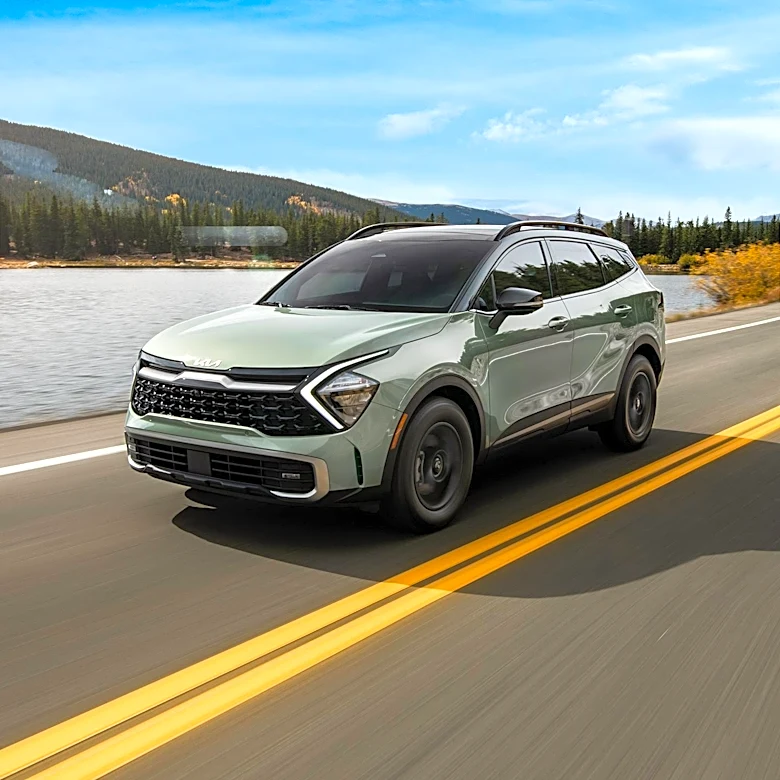
Kia America has agreed to settle a class-action lawsuit, Le Beau, et al. v. Kia America, Inc., concerning defective power windows in certain 2016-2017 Optima and all 2017 Sportage models. The lawsuit, filed in the U.S. District Court for the Central District of
California, addresses a common issue where the window glass would fall into the door cavity due to a faulty plastic drum gear in the cable-drive window regulator system. Owners and lessees of the affected vehicles who experienced this problem are eligible to file claims for reimbursement of out-of-pocket repair costs or receive a dealer service card. The deadline for submitting claims is November 23, 2026, with opt-outs and objections due by October 23, 2026. Final approval of the settlement is scheduled for January 7, 2027.
Why It's Important?
This settlement is significant for thousands of Kia owners who faced unexpected repair costs for a known manufacturing defect. The issue, which Kia's own bulletins identified as a faulty drum gear requiring a relatively inexpensive fix (a $20 part and half an hour of labor), often resulted in owners being charged for full regulator assembly replacements costing hundreds of dollars. The settlement provides a mechanism for these owners to recoup some of their expenses, highlighting the importance of consumer protection against manufacturing defects. It also sheds light on how manufacturers handle such issues, with Kia previously addressing the problem through a 'Service Action' during the warranty period, leaving many out-of-warranty owners to pay for repairs themselves. The case underscores the limitations of federal power window regulations, which focus on safety from accidental operation rather than durability, leading affected consumers to seek recourse through the legal system.
What's Next?
Affected current and former owners or lessees of 2016-2017 Optima and 2017 Sportage models should review the settlement details and file their claims by November 23, 2026. Those wishing to retain their right to sue Kia separately must opt out by October 23, 2026. The final approval hearing on January 7, 2027, will determine the official implementation of the settlement. In the interim, potential claimants should gather documentation, such as repair orders and proof of payment, to support their claims. For individuals considering purchasing these used models, it is advisable to inspect the power windows for any signs of the defect, such as clicks or hesitations during operation, as a preventative measure.
Beyond the Headlines
This case reveals a systemic challenge in the automotive industry regarding how non-safety-related defects are addressed, particularly when they fall outside the scope of federal recall mandates. While a window falling into a door is inconvenient and costly, it doesn't meet the 'unreasonable risk to safety' threshold for a mandatory recall by NHTSA. This gap often leaves consumers to bear the financial burden or pursue class-action lawsuits. The settlement also highlights the disparity between a manufacturer's internal knowledge of a cheap fix and the more expensive solutions often presented to consumers at service centers. It encourages greater transparency from automakers regarding known issues and prompts consumers to be more informed about service bulletins and their rights when facing vehicle defects. The outcome could influence future legal strategies for similar non-safety-critical defects in the automotive sector.