


What's Happening?
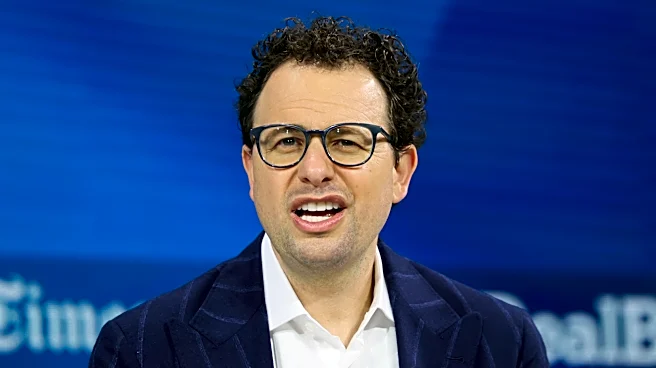
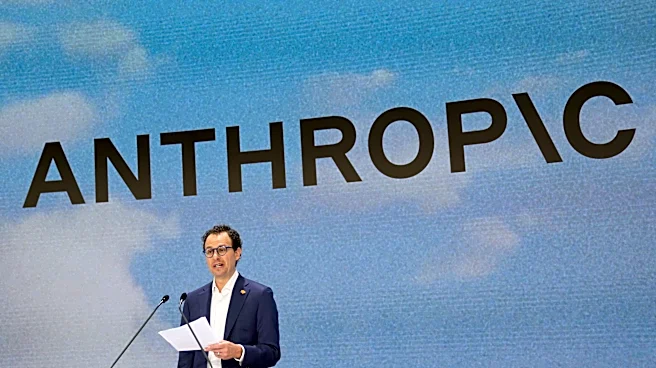
Dario Amodei, CEO of Anthropic, has articulated a vision of an 'Age of Miracles' propelled by artificial intelligence, particularly in the medical field. During an IPO roadshow, Amodei suggested that within a decade, diseases such as cancer and Alzheimer's
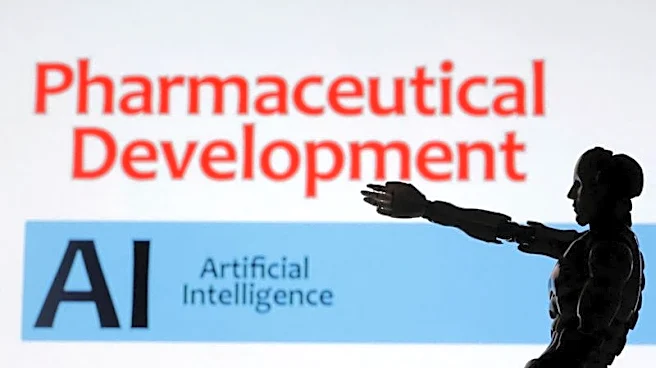
could become historical ailments. This perspective aligns with a broader sentiment within the San Francisco tech community regarding the transformative potential of AI. Amodei's statements highlight the belief that AI can move beyond incremental improvements to deliver revolutionary advancements, particularly in areas like healthcare. The discussion also touched upon the application of AI in other sectors, such as automotive sales, where AI could streamline operations and enhance customer relationships by handling administrative tasks and providing support for sales and service advisors.
Why It's Important?
Amodei's optimistic outlook on AI's capabilities carries significant implications for U.S. industries and public policy. If AI can indeed lead to breakthroughs in curing major diseases, it would revolutionize the healthcare sector, potentially reducing healthcare costs, extending lifespans, and improving the quality of life for millions. This could also spur massive investment in AI research and development, creating new jobs and industries. However, such advancements also raise questions about equitable access to these technologies and the ethical considerations surrounding AI in medicine. Beyond healthcare, the application of AI in sectors like automotive sales, as mentioned by Amodei, suggests a broader economic impact, where AI could enhance efficiency, customer retention, and employee performance across various industries, potentially reshaping the labor market and business models.
What's Next?
The immediate future will likely see continued investment and innovation in AI, driven by companies like Anthropic and their pursuit of groundbreaking applications. The prospect of an 'Age of Miracles' in medicine could accelerate research into AI-powered drug discovery, diagnostics, and personalized treatments. For the automotive industry, the integration of AI in sales and service processes is expected to expand, with AI handling more administrative tasks and enabling salespersons to focus on relationship building. This shift could lead to new training requirements for employees and a re-evaluation of traditional sales and service models. The broader societal impact will depend on how these technologies are developed, regulated, and adopted, with ongoing debates about ethical guidelines, data privacy, and the future of work in an AI-driven economy.
Beyond the Headlines
The vision presented by Dario Amodei extends beyond mere technological advancement; it touches upon profound ethical and societal questions. The idea of eradicating diseases like cancer and Alzheimer's within a decade, while inspiring, also prompts reflection on the potential for widening health disparities if these advanced treatments are not universally accessible. Furthermore, the increasing reliance on AI in various sectors, including sales and customer service, raises concerns about job displacement and the need for workforce retraining. The 'Age of Miracles' could also usher in a new era of human-machine collaboration, redefining productivity and creativity. The long-term implications include a re-evaluation of human purpose and societal structures in a world where AI handles increasingly complex tasks, potentially leading to a redefinition of what it means to be human in an AI-augmented future.