





What's Happening?
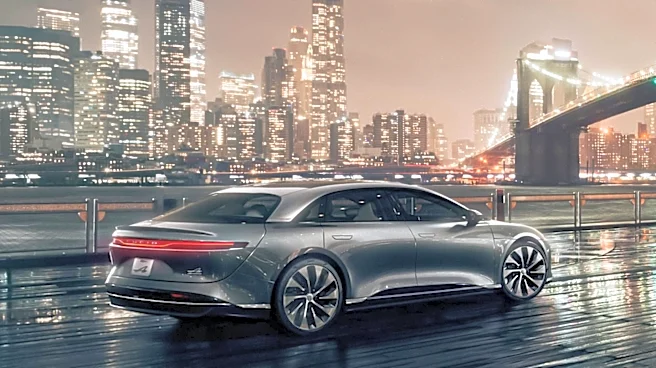
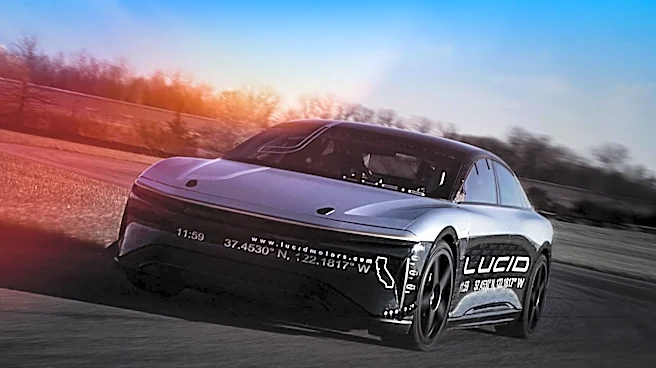
Lucid Motors CEO Silvio Napoli has announced that the company's upcoming mid-range electric SUV, the Cosmos, is projected to achieve a range of over 400 miles (approximately 644 kilometers) on a single charge. This statement was made during an interview
with CNN, as reported by InsideEVs. The Cosmos, currently in its prototype and development phase, is designed to be a more affordable model built on Lucid's new mid-range platform, with an anticipated starting price below $50,000 before taxes. This platform will also underpin two other electric vehicles. The company emphasizes efficiency, interior space, and driving performance for the Cosmos, which is also intended for the European market. The technical foundation for this new platform is the Atlas electric drive, which is smaller, lighter, and simpler in construction compared to previous Lucid powertrains. Lucid had previously indicated an efficiency target of up to 4.5 miles per kilowatt-hour for this platform. The production timeline for the Cosmos has been adjusted, with Napoli now targeting the second half of 2027 for its launch, allowing more time for development, process refinement, and quality assurance amidst ongoing economic challenges for the startup.
Why It's Important?
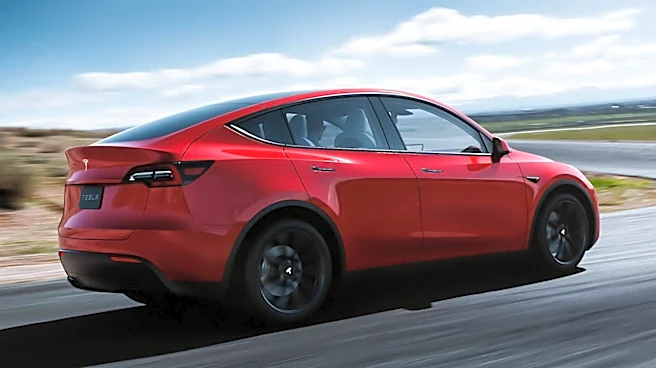
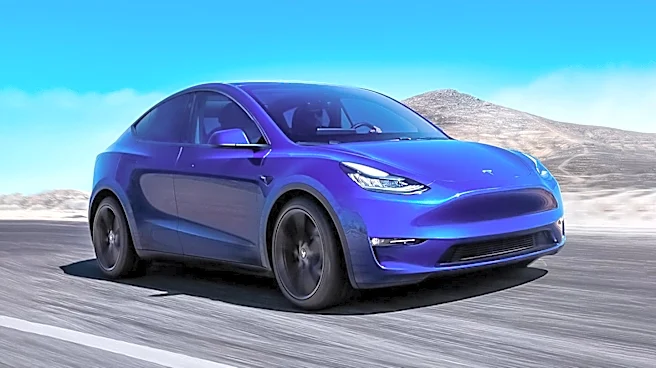
Lucid's announcement regarding the Cosmos's projected 400+ mile range is significant for the U.S. electric vehicle market, as it directly challenges the range capabilities of established competitors like the Tesla Model Y, which currently offers a maximum of 357 miles (575 km). Achieving this range at a sub-$50,000 price point could make advanced EV technology more accessible to a broader consumer base, potentially accelerating the adoption of electric vehicles in the U.S. This move could intensify competition within the mid-range EV segment, pushing other manufacturers to innovate further in battery technology, efficiency, and pricing. For Lucid, a successful launch of the Cosmos could be crucial for its financial viability and market position, as it seeks to expand beyond its luxury Air sedan and Gravity SUV offerings. The focus on efficiency and a new, simpler electric drive system also highlights a strategic effort to reduce production costs and streamline manufacturing, which are critical factors for profitability in the competitive EV landscape. The delay in the production timeline, however, underscores the complexities and financial pressures faced by EV startups in bringing new models to market.
What's Next?
Lucid will continue the development and testing of the Cosmos, with official EPA range estimates and pricing details expected closer to its revised production target in the second half of 2027. The company will likely focus on refining the Atlas electric drive and optimizing the mid-range platform to meet its ambitious efficiency and range goals. As the launch approaches, Lucid will need to establish a robust production infrastructure and a comprehensive sales and service network to support the new model. Potential reactions from competitors, particularly Tesla, could include accelerated development of their own mid-range offerings or adjustments to existing model specifications and pricing. Consumers will be watching for further details on the Cosmos's features, performance, and exact pricing, as well as how it compares to other upcoming EVs in the market. The success of the Cosmos will be a key indicator of Lucid's ability to scale its operations and compete effectively in the mainstream EV segment.
Beyond the Headlines
The pursuit of a 400+ mile range in a more affordable EV like the Lucid Cosmos reflects a broader trend in the automotive industry towards addressing range anxiety, a significant barrier to EV adoption for many consumers. By offering extended range at a lower price point, Lucid is not just competing on specifications but also attempting to shift public perception of EV practicality and value. This development could have long-term implications for the energy sector, potentially increasing demand for charging infrastructure and renewable energy sources. Furthermore, the emphasis on a simpler, more efficient electric drive system could set new benchmarks for engineering and design in the EV space, influencing future innovations across the industry. The success of startups like Lucid in challenging established players also highlights the dynamic nature of the automotive market, where technological advancements and strategic pricing can rapidly alter competitive landscapes and consumer expectations.