






What's Happening?
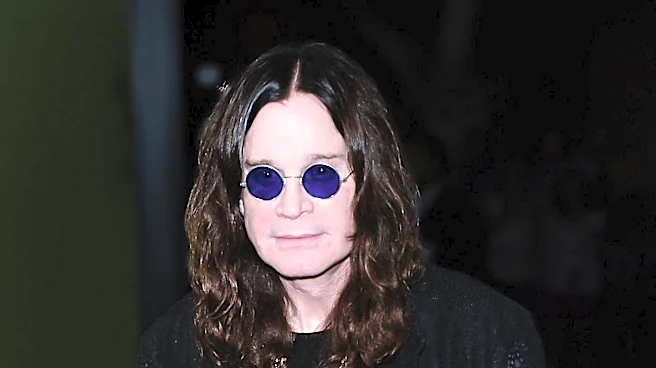
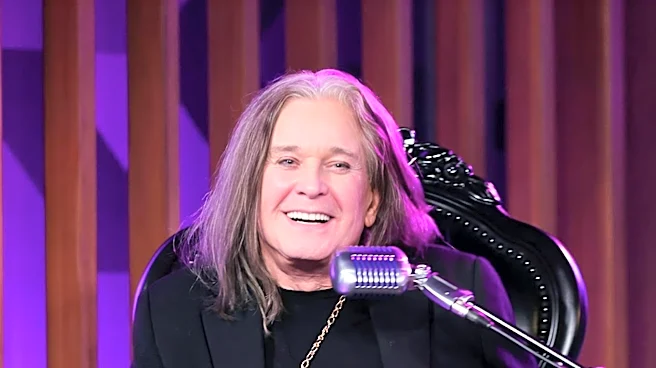
Jack Osbourne, son of the legendary musician Ozzy Osbourne, recently discussed his father's songwriting process during an interview on The HoneyDew With Ryan Sickler podcast. Jack clarified that Ozzy Osbourne never claimed sole credit for songs that involved
other musicians, highlighting his father's strength in creating melodies rather than writing all lyrics or having formal musical training. According to Jack, Ozzy's primary musical skill was developing vocal melodies, and he openly relied on collaborators for songwriting. For instance, most of the lyrics during Ozzy's time with Black Sabbath were written by Geezer Butler, and in his solo career, he worked with individuals like Bob Daisley and Lemmy Kilmister. Jack emphasized that Ozzy was always transparent about his collaborative approach, stating, 'He never was one of these artists that pretended he wrote every[thing]. He never was that, 'cause he was, like, 'No. I know what I'm good at. I know what I'm not. I know when I need help, and I'll say it.'' This discussion comes amidst a broader debate regarding Ozzy Osbourne's songwriting credits, which previously involved his daughter Kelly Osbourne and Twisted Sister frontman Dee Snider.
Why It's Important?
This clarification from Jack Osbourne is important for several reasons within the music industry and for the legacy of Ozzy Osbourne. It sheds light on the often-complex nature of songwriting credits and collaboration, particularly for iconic artists whose work is frequently scrutinized. By emphasizing Ozzy's honesty about his reliance on co-writers, Jack reinforces a narrative of integrity, potentially mitigating past and future disputes over intellectual property in music. This perspective can influence how fans, critics, and industry professionals perceive Ozzy's creative process, highlighting his role as a visionary melodist and bandleader rather than solely a lyricist. Furthermore, it contributes to a broader conversation about the 'village' required to produce successful music, challenging the perception that a single artist is solely responsible for every aspect of a song. This insight is particularly relevant in an era where transparency in creative contributions is increasingly valued, impacting royalty distributions and historical acknowledgments for all involved parties.
What's Next?
The statements from Jack Osbourne are likely to continue fueling discussions within the music community regarding songwriting credits and the collaborative nature of artistic creation. While this particular clarification aims to settle ongoing debates about Ozzy Osbourne's contributions, it may also prompt further examination of other artists' catalogs, especially those with extensive careers and numerous collaborators. Industry stakeholders, including musicians, producers, and legal teams, might use these insights to advocate for clearer attribution standards and more equitable recognition for all contributors. This could lead to a greater emphasis on transparent crediting practices in future music releases and potentially influence how historical works are re-evaluated. The ongoing dialogue could also encourage more artists to openly discuss their collaborative processes, fostering a more realistic understanding of music production among the public and within the industry.
Beyond the Headlines
Beyond the immediate discussion of Ozzy Osbourne's songwriting, Jack Osbourne's comments touch upon deeper implications concerning artistic authenticity and the public's perception of creative genius. In an industry often driven by the myth of the singular, self-sufficient artist, acknowledging extensive collaboration can be a nuanced issue. Jack's remarks, particularly his comparison to Taylor Swift's album credits, highlight how public-facing attributions may not always reflect the full scope of creative input, sometimes due to contractual 'buyouts' or industry norms. This raises ethical questions about fair compensation and recognition for uncredited or less prominently credited contributors. It also underscores the cultural dimension of how we define and celebrate artistry, suggesting a need for a more inclusive understanding of creative processes that values teamwork as much as individual talent. This shift could lead to a re-evaluation of how musical legacies are constructed and preserved, emphasizing collective effort alongside individual brilliance.