





What's Happening?
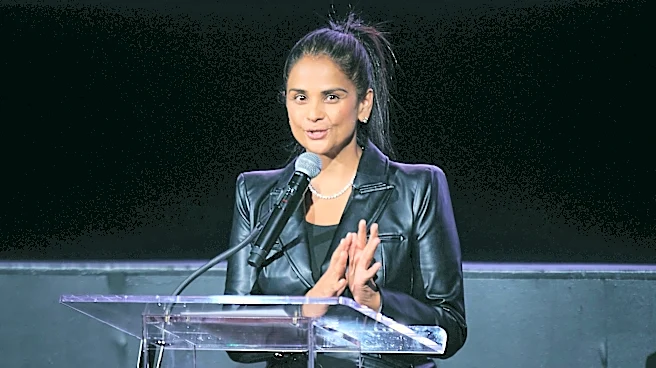
Skye P. Marshall, who stars as attorney Olympia Lawrence in the CBS legal drama 'Matlock,' is set to make her television directorial debut in the show's upcoming third season. Marshall will direct Episode 5, titled 'Classic Kingston.' This announcement
comes as CBS prepares to launch the third season on January 21, 2027, at 10 p.m. ET, as part of its midseason lineup, a shift from its previous fall premieres. Creator Jennie Snyder Urman has indicated that Season 3 will serve as a creative reset, following the resolution of the central mystery in the second-season finale concerning Madeline 'Matty' Kingston's investigation into the Wellbrexa opioid cover-up. The new season is expected to place Marshall's character, Olympia, at the forefront as she considers opening a law firm with Matty, moving beyond her previous role at Jacobson Moore. This development follows a turbulent period for the production, including the firing of actor David Del Rio in October 2025 due to a sexual assault allegation and a racial discrimination and sexual harassment lawsuit filed by former writer John Lowe in June 2026, both of which CBS has addressed.
Why It's Important?
The directorial debut of Skye P. Marshall signifies a notable career advancement for the actress and reflects a broader trend in the entertainment industry where established actors transition into directing roles, offering new perspectives and creative control. The shift in 'Matlock' to a midseason premiere in 2027 indicates CBS's strategic scheduling adjustments, potentially aiming to capitalize on different viewership patterns or to make room for other new programming in the fall. The creative reset for Season 3 is crucial for the show's longevity, as it aims to refresh its narrative after resolving its initial core mystery. This could attract new viewers and re-engage existing ones by offering a fresh storyline and character dynamics, particularly by elevating Marshall's character. The behind-the-scenes challenges, including legal disputes and personnel changes, highlight the ongoing complexities and scrutiny within television productions, underscoring the importance of workplace conduct and legal compliance in the entertainment sector.
What's Next?
The third season of 'Matlock' is scheduled to premiere on January 21, 2027, on CBS, airing on Thursdays at 10 p.m. ET. Viewers can anticipate a significant narrative shift as the series moves beyond the Wellbrexa opioid cover-up storyline, with Olympia Lawrence (Skye P. Marshall) taking on a more central role, potentially establishing a new law firm with Matty. This creative reset will introduce new challenges and character developments. Skye P. Marshall's directorial debut in Episode 5 will be a key moment to watch, as it marks her first time behind the camera for the series. The ongoing arbitration initiated by former actor David Del Rio against CBS Studios, following his termination, suggests potential further legal proceedings or settlements. Similarly, the lawsuit filed by former writer John Lowe alleging discrimination and harassment will likely continue to be monitored, with CBS maintaining its denial of the claims.
Beyond the Headlines
Skye P. Marshall's transition to directing on 'Matlock' reflects a growing movement within Hollywood to diversify behind-the-camera talent, providing opportunities for actors, particularly women and people of color, to shape narratives from a directorial perspective. This move could influence future casting and production decisions, encouraging more inclusive creative teams. The show's decision to undergo a 'creative reset' after two seasons highlights the pressures on long-running series to evolve and maintain audience engagement, often by shifting focus to new characters or storylines. This strategy is common in television to prevent stagnation and explore new thematic territories. The legal and personnel issues that have plagued the production, including allegations of sexual assault and discrimination, underscore the ongoing industry-wide reckoning regarding workplace safety and equity. These incidents often lead to increased scrutiny of production companies' internal policies and accountability measures, potentially influencing future industry standards for conduct and dispute resolution.