





What's Happening?
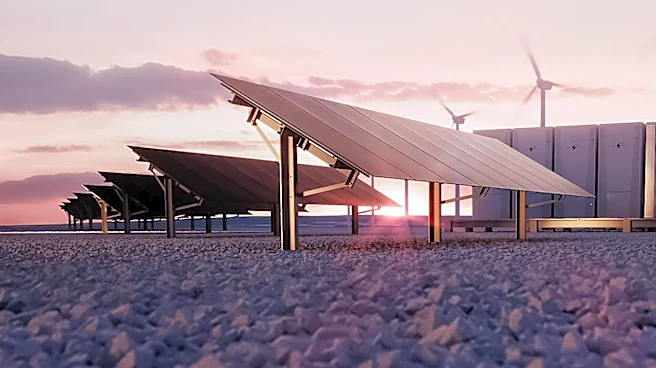
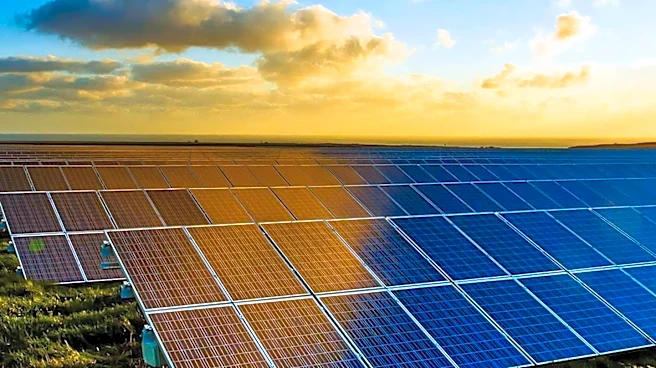
Lyra Energy, a joint venture between Scatec and Stanlib Infrastructure Investments, has initiated construction on the 126MW Noko solar power project in South Africa following its financial close. Scatec, holding a 50% stake in Lyra Energy, will invest
approximately $13 million in equity for the Noko project and anticipates generating around $100 million in design and construction revenues. Standard Bank is providing non-recourse debt financing for the project, which is expected to begin commercial operations in the first half of 2028. Lyra Energy operates as a renewable electricity trading platform, serving commercial and industrial customers through multi-year power purchase agreements (PPAs). In a related move, Scatec has withdrawn its 288MW Mercury solar power project from South Africa’s Renewable Energy Independent Power Producer Procurement (REIPPP) program and will sell it to Lyra Energy to meet the growing demand from corporate off-takers for long-term supply agreements.
Why It's Important?
This development, while geographically focused on South Africa, is significant for the global renewable energy sector and U.S. companies involved in solar technology, project development, and financing. The construction of the Noko solar project and Lyra Energy's business model of securing corporate PPAs demonstrate a growing trend in emerging markets towards private sector-led renewable energy solutions. This can create opportunities for U.S. manufacturers of solar components, energy storage systems, and smart grid technologies. Furthermore, the withdrawal of the Mercury project from a government procurement program in favor of direct corporate sales highlights a potential shift in how large-scale renewable projects are financed and deployed, moving towards market-driven solutions. This trend could influence U.S. investment strategies in international renewable energy, emphasizing the importance of understanding local market dynamics and corporate demand for clean power.
What's Next?
The Noko solar plant is slated to commence commercial operations in the first half of 2028. Construction for the Mercury project, which will also be developed by Lyra Energy, is expected to begin in the first half of 2027. Scatec will continue to provide construction, operational, and asset management services for these projects. Lyra Energy's strategy involves acquiring projects developed by Scatec and initiating construction once sufficient commitments from corporate energy buyers are secured. Currently, Lyra Energy has two solar projects under construction with a combined capacity of 381MW and an additional 288MW project in its pipeline, indicating a robust expansion plan to meet the increasing demand for reliable, clean power from South African businesses.
Beyond the Headlines
The shift towards corporate Power Purchase Agreements (PPAs) as a primary mechanism for financing and deploying large-scale renewable energy projects, as exemplified by Lyra Energy, signifies a maturation of the renewable energy market in South Africa and potentially other emerging economies. This model reduces reliance on government subsidies or procurement programs, making renewable energy more competitive and market-driven. For U.S. businesses, this trend suggests a need to adapt their international market entry strategies, focusing on direct engagement with corporate off-takers rather than solely on government tenders. It also highlights the increasing role of private capital and innovative financing structures in accelerating the global energy transition. The success of such ventures could inspire similar models in other regions, fostering a more decentralized and resilient global energy infrastructure.