




What's Happening?
The U.S. economy grew at an annualized rate of 1.5% in the second quarter of 2026, falling short of the 2.1% growth expected by economists. This slowdown is attributed to an increasing trade deficit, although consumer spending and business investments
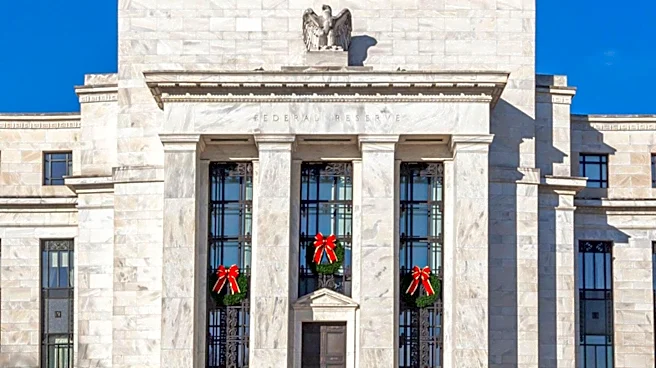
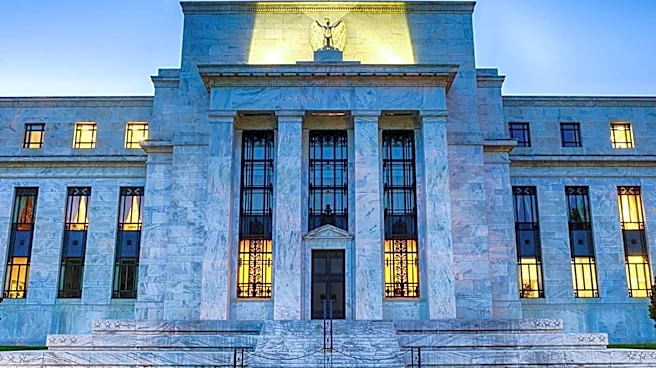
in AI infrastructure showed strength. The Federal Reserve maintained its interest rate range of 3.50% to 3.75%, with some members advocating for a rate hike to combat inflation. Despite geopolitical tensions in the Middle East, consumer spending remained resilient, supported by higher tax refunds and asset price growth.
Why It's Important?
The slower GDP growth rate raises concerns about the U.S. economy's momentum, particularly as trade deficits widen. The robust consumer spending and business investments in AI suggest underlying economic strength, but the potential for inflationary pressures remains a challenge. The Federal Reserve's cautious approach to interest rates reflects the delicate balance between supporting growth and controlling inflation. This economic backdrop will influence policy decisions and investor sentiment, as stakeholders assess the implications for future growth and stability.
What's Next?
Economists and policymakers will closely monitor upcoming economic data to determine the trajectory of the U.S. economy. The Federal Reserve's future interest rate decisions will be critical, especially if inflation persists. The ongoing geopolitical tensions and their impact on oil prices could further complicate the economic outlook. As the second half of the year unfolds, the interplay between consumer spending, business investment, and external factors will shape the economic landscape and inform strategic decisions by businesses and investors.