



What's Happening?
Modern homes are increasingly integrating smart technology to enhance comfort, efficiency, and manageability. Smart Home Improvement Solutions combine advanced technology with thoughtful home design to upgrade living areas. These solutions include automated
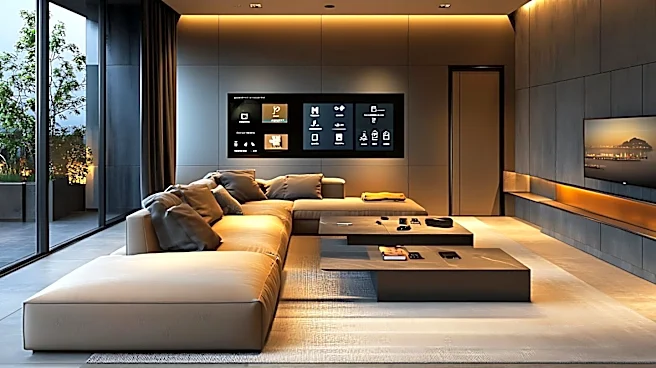
lighting, energy-saving systems, advanced security features, and connected appliances. The core idea is to create an environment that responds to homeowner needs, moving beyond just attractive designs to provide practical benefits. Technology has become more accessible, allowing homeowners with various budgets to implement meaningful improvements. Key areas for smart upgrades include lighting, heating, cooling, ventilation, kitchen appliances, home entertainment systems, and outdoor areas, all designed to save time, reduce waste, and add convenience.
Why It's Important?
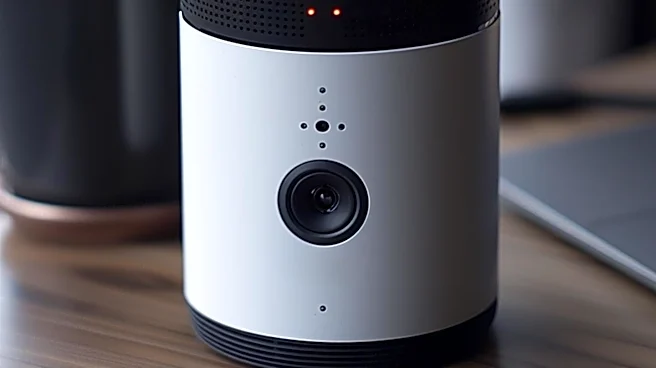
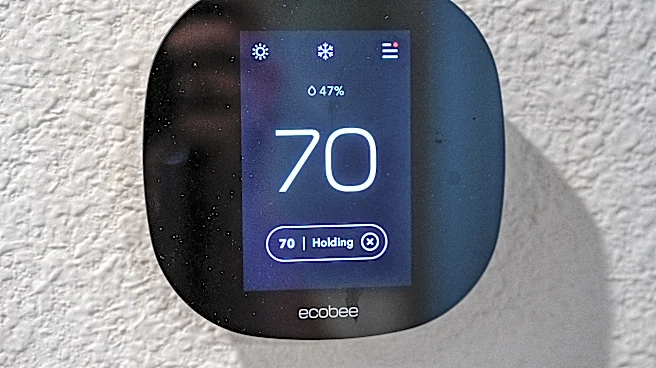
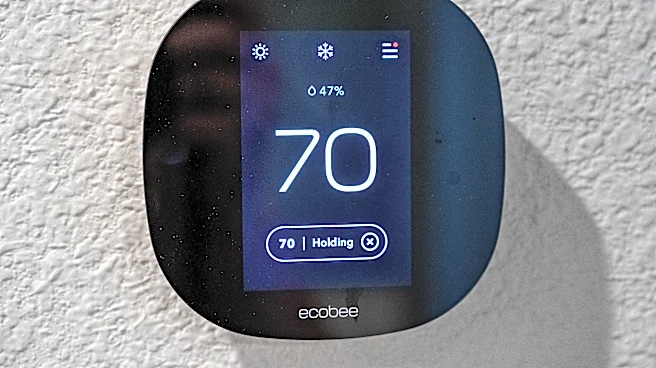
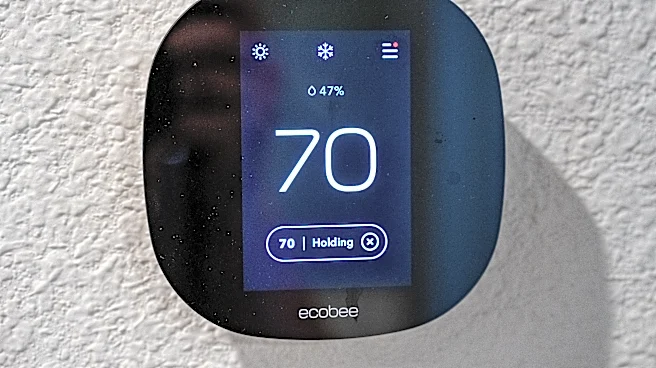
The adoption of smart home technology is transforming daily living by offering significant improvements in convenience, energy efficiency, and security. Automated systems for lighting, climate control, and window operation streamline household tasks, providing a smoother and more personalized routine. Energy-saving features, such as smart thermostats and plugs, help monitor and reduce consumption, leading to lower utility costs and more sustainable living habits. Enhanced security through smart cameras, video doorbells, and motion sensors provides homeowners with greater control and awareness over their property, whether they are home or away. These advancements also support accessibility, making everyday tasks simpler for older adults or individuals with mobility challenges, thereby improving the quality of life for a broader demographic.
What's Next?
Homeowners considering smart home improvements should first identify their specific needs and priorities, as not every device is necessary for every household. Starting with simple upgrades like smart bulbs or voice assistants can provide an introduction to the technology before investing in larger systems. Compatibility between devices is crucial for a seamlessly connected home, so selecting products that work together is recommended. For more complex installations, professional assistance may be beneficial to ensure proper and safe operation. Budget planning is also important, with the option to implement upgrades gradually over time. As technology continues to advance, the focus will remain on creating integrated, user-friendly, and secure smart home environments that enhance comfort and efficiency.
Beyond the Headlines
The increasing integration of smart home technology raises important considerations regarding privacy and data security. As connected devices collect and share information, homeowners must be diligent in reviewing settings, using strong passwords, and keeping software updated to protect personal data. This highlights a growing need for consumer education on digital security practices within the home environment. Furthermore, the long-term value proposition of smart home upgrades extends beyond immediate convenience and savings; they can increase a property's appeal and market value by offering modern features and improved efficiency. This suggests that smart home technology is becoming a standard expectation in contemporary housing, influencing both design and real estate trends.