







What's Happening?
A new exhibition titled 'Serial Killer: The Exhibition' is opening in Chicago at Cinespace Chicago Film Studios. This exhibition features approximately 2,100 artifacts spread across 40 detailed rooms, covering 21,000 square feet. Among the notable items
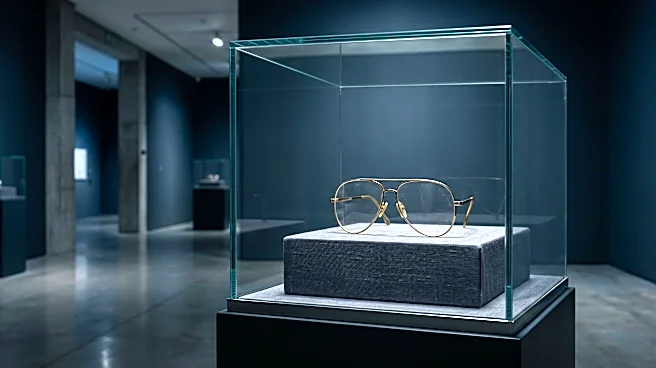
on display are three paintings by John Wayne Gacy, which were previously kept by his lawyer, Karen Conti, for 30 years. Other artifacts include Jeffrey Dahmer’s jailhouse Bible and glasses, Aileen Wuornos’s LA Gear high-top sneakers, and a piece of a trash bag used by Ted Bundy. The exhibition also includes court documents, letters, realistic crime scene recreations, a virtual reality simulation room, and a 20-question game to assess psychopathic tendencies. The exhibition aims to provide an educational and historical journey through the phenomenon of serial killers, including local figures like H.H. Holmes and Richard Speck, and also features a memorial wall dedicated to victims.
Why It's Important?
This exhibition is significant as it offers a rare public display of artifacts related to some of the most infamous serial killer cases in U.S. history. It provides a unique, albeit potentially disturbing, educational opportunity to explore the psychology, methods, and societal impact of these individuals. The inclusion of items from figures like John Wayne Gacy and H.H. Holmes, who have strong ties to Chicago, adds a local dimension to the national and international scope of the exhibition. By presenting these artifacts and detailed recreations, the exhibition aims to foster a deeper understanding of criminal psychology, forensic science, and the evolution of the criminal justice system, while also honoring the victims through a dedicated memorial.
What's Next?
The 'Serial Killer: The Exhibition' is scheduled to open on Saturday and will run through early next year at Cinespace Chicago Film Studios. It is recommended for ages 14 and older, with a suggested visit time of 90-120 minutes. The exhibition's opening is likely to draw considerable public interest, potentially sparking discussions about the ethics of displaying such morbid artifacts and the public's fascination with true crime. Organizers hope the educational aspect will prevail, encouraging visitors to learn from the past and understand the historical journey of criminal investigation and victimology. The success and public reception of this U.S. debut will likely influence future similar exhibitions.
Beyond the Headlines
The exhibition delves into the complex and often controversial public fascination with true crime. While it offers an educational perspective on criminal psychology and forensic advancements, it also raises ethical questions about the commodification of tragedy and the potential for glorifying perpetrators. The inclusion of a victim memorial wall attempts to balance this by shifting focus to those who suffered. This event could trigger broader conversations about the societal implications of true crime media, the psychological reasons behind its appeal, and how to respectfully engage with such sensitive historical events. It also highlights the ongoing efforts to understand and prevent violent crime, and the role of public education in this endeavor.