




What's Happening?
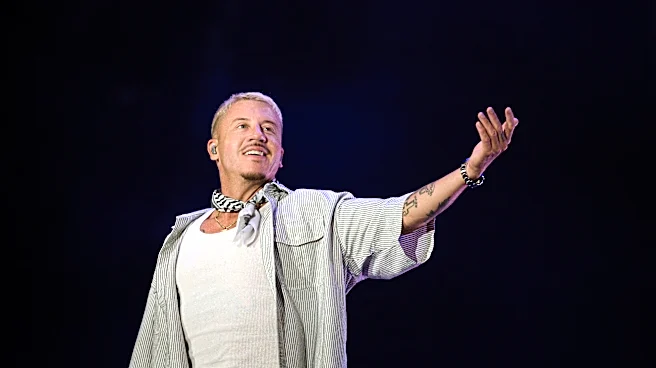
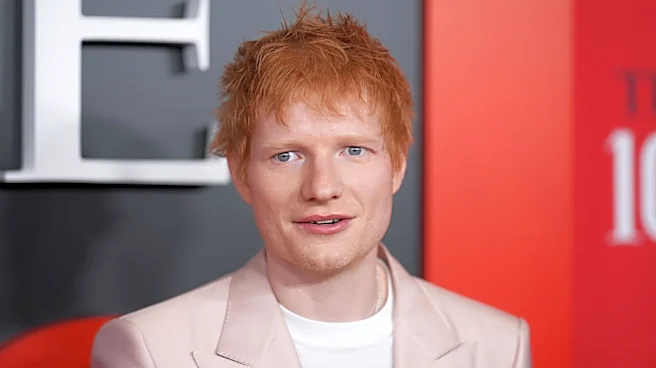
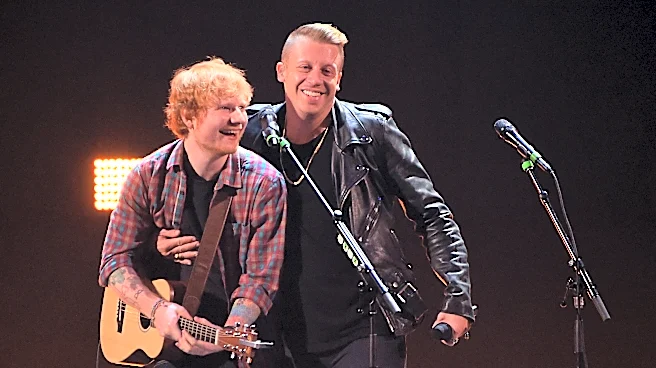
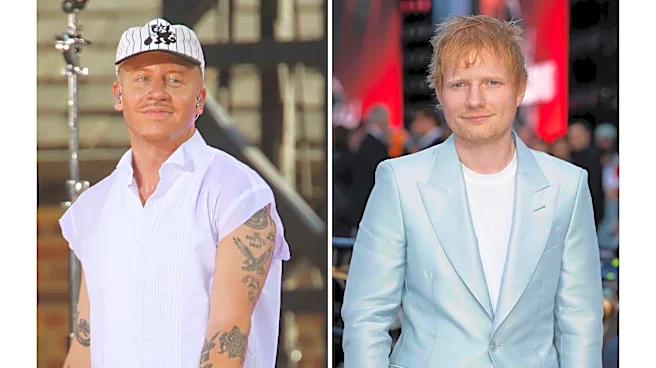
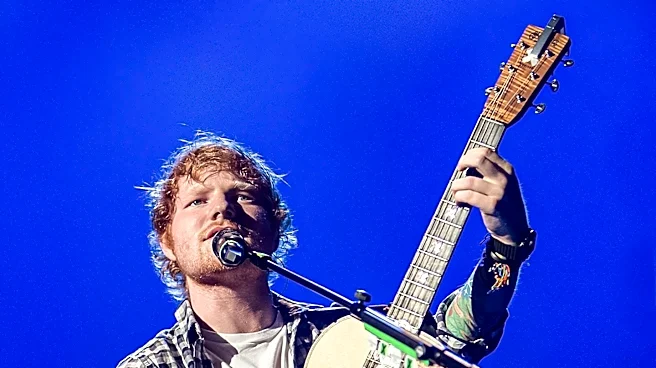
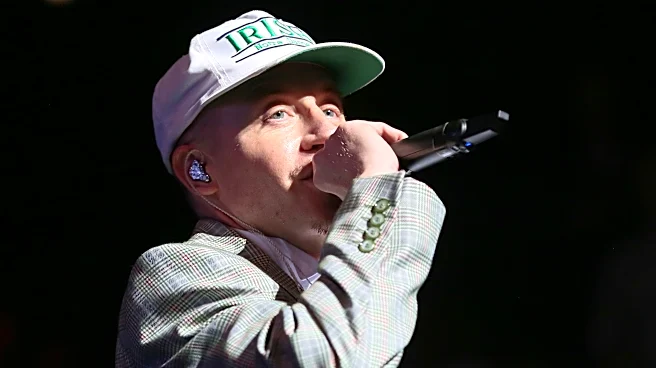
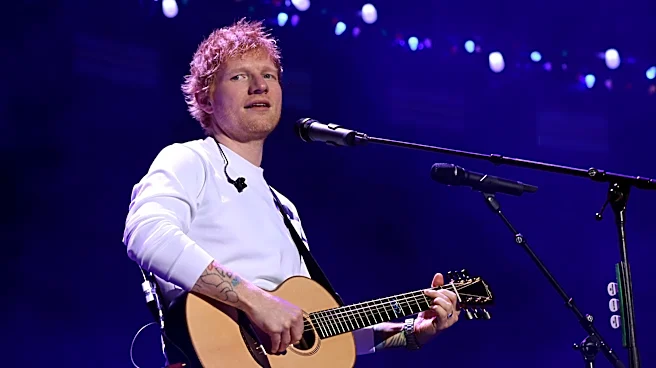
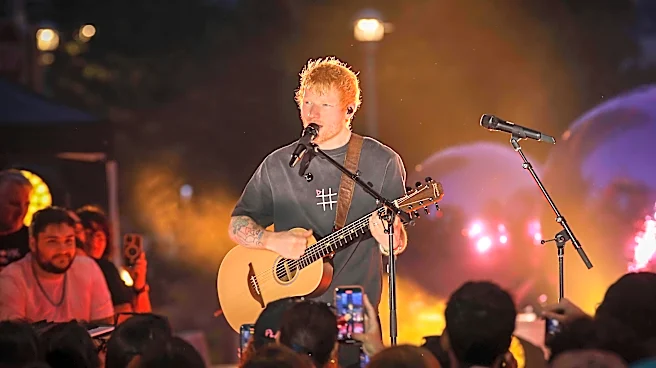
Rapper Macklemore has been dropped from Ed Sheeran's stadium tour after New England Patriots owner Robert Kraft raised objections to statements made by the rapper on stage. Fox News contributor Brett Cooper discussed this development on 'Fox & Friends,'
also commenting on Vice President JD Vance's remarks regarding the Netflix series 'Emily in Paris.' The specific nature of Macklemore's stage statements that led to Kraft's objection was not detailed in the report. This incident highlights the potential influence of prominent figures like Robert Kraft on entertainment events and artist engagements. The removal of an artist from a major tour due to external pressure underscores the complexities and sensitivities involved in public performances and endorsements.
Why It's Important?
This event is important as it illustrates the significant influence that powerful individuals and team owners can exert over the entertainment industry, potentially impacting artists' careers and freedom of expression. Robert Kraft's reported objection leading to Macklemore's removal from a high-profile tour suggests that financial and ownership interests can dictate artistic opportunities. This could set a precedent where artists might face increased scrutiny or pressure to align their public statements with the views of influential figures, potentially leading to self-censorship. For the music industry, it raises questions about the balance between artistic integrity and commercial viability, especially when tours are sponsored or supported by entities with specific political or social leanings. Fans of Macklemore and Ed Sheeran might also react to this decision, potentially affecting public perception of both artists and the tour itself.
What's Next?
The immediate next steps will likely involve Macklemore's response to his removal from the tour, which could include public statements or further details regarding the content of his stage remarks. Ed Sheeran's team may also issue a statement to clarify the situation or address any fan concerns. It remains to be seen if this incident will lead to broader discussions within the music industry about artist autonomy versus sponsor influence. There could be a ripple effect on future tour arrangements, with artists and promoters potentially re-evaluating clauses related to public statements and potential controversies. The incident might also prompt media outlets to delve deeper into the specific statements made by Macklemore and the exact nature of Robert Kraft's objections.
Beyond the Headlines
Beyond the immediate news, this incident touches upon deeper issues concerning freedom of speech, corporate influence in the arts, and the evolving landscape of celebrity activism. It raises questions about the extent to which artists should be expected to conform to the expectations of their sponsors or powerful figures, and whether such pressures stifle diverse viewpoints. The involvement of a sports team owner in an entertainment tour decision highlights the increasing interconnectedness of various industries and the potential for cross-sector influence. This event could spark broader conversations about the responsibilities of public figures, both artists and business leaders, in shaping public discourse and the boundaries of acceptable expression in public forums. It also underscores the power dynamics at play when financial backing meets artistic performance.