





What's Happening?
Tipping experts are observing a growing 'tipping fatigue' among U.S. consumers, driven by increased requests for gratuity at self-service kiosks and rising suggested tip percentages in traditional service settings. William Michael Lynn, professor emeritus
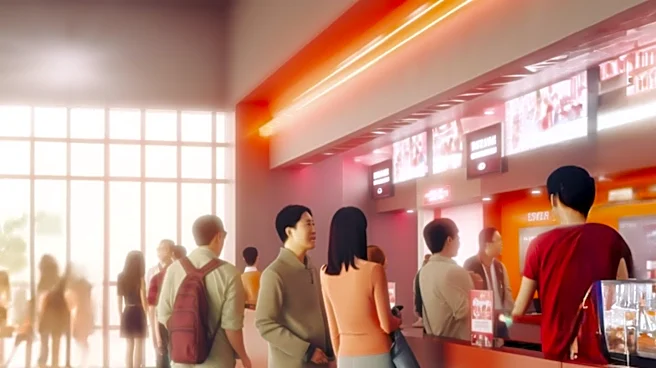
of consumer behavior and marketing at Cornell University, notes that public sentiment towards tipping has worsened, with 52% of people in 2022 wanting tipping abolished, up from 32% in 2016. Digital screens at checkout, including those at self-service kiosks, are increasingly prompting customers for tips, even when no direct human service is provided. Etiquette expert Jacqueline Whitmore advises against tipping at unmanned kiosks, stating that such tips likely go directly to the business rather than employees. The issue gained viral attention after a TikTok user claimed a Shake Shack kiosk increased his total after he selected 'no tip,' though Shake Shack attributed this to an error.
Why It's Important?
The evolving tipping culture in the U.S. has significant implications for both consumers and the service industry. For consumers, 'tipping fatigue' can lead to frustration, confusion, and a feeling of being pressured, potentially impacting their dining and shopping habits. For businesses, particularly restaurants, the continuous increase in suggested tip amounts could eventually deter customers, as Lynn suggests, potentially hurting the industry. The practice of requesting tips at self-service kiosks blurs the lines of traditional gratuity, raising questions about fair compensation for labor versus passive revenue generation for businesses. This shift also highlights the unique nature of the U.S. tipping system, where tips often supplement what can be a substandard minimum wage for service workers, placing the burden of fair compensation on the consumer rather than the employer.
What's Next?
The debate over tipping is likely to continue, with consumers becoming more vocal about their dissatisfaction. Businesses may face pressure to clarify their tipping policies, especially regarding digital kiosks and automatic service charges. Some establishments might explore alternative compensation models, such as higher base wages or service charges that are clearly communicated. Lynn suggests that restaurants should consider capping suggested tips at around 20% to avoid alienating customers. Etiquette experts will continue to provide guidance on when and how to tip, encouraging consumers to make informed decisions. The discussion could also lead to broader conversations about labor laws and minimum wage standards for service industry workers in the U.S., potentially influencing policy changes at state or federal levels.
Beyond the Headlines
The 'tipping fatigue' phenomenon reflects deeper societal and economic tensions within the U.S. service sector. It exposes the inherent flaws in a system where customer gratuity is expected to subsidize employee wages, rather than employers bearing the full cost of labor. This dynamic creates an uneven playing field, where the financial well-being of service workers is often dependent on customer generosity and perceived service quality. The rise of digital tipping prompts at kiosks further complicates this, as it introduces a transactional expectation of gratuity even in the absence of direct human interaction, potentially eroding the traditional meaning of a 'tip' as a reward for good service. This trend could lead to a re-evaluation of consumer-business relationships, ethical consumption, and the future of work in the service industry, pushing for more transparent and equitable compensation practices.