



What's Happening?
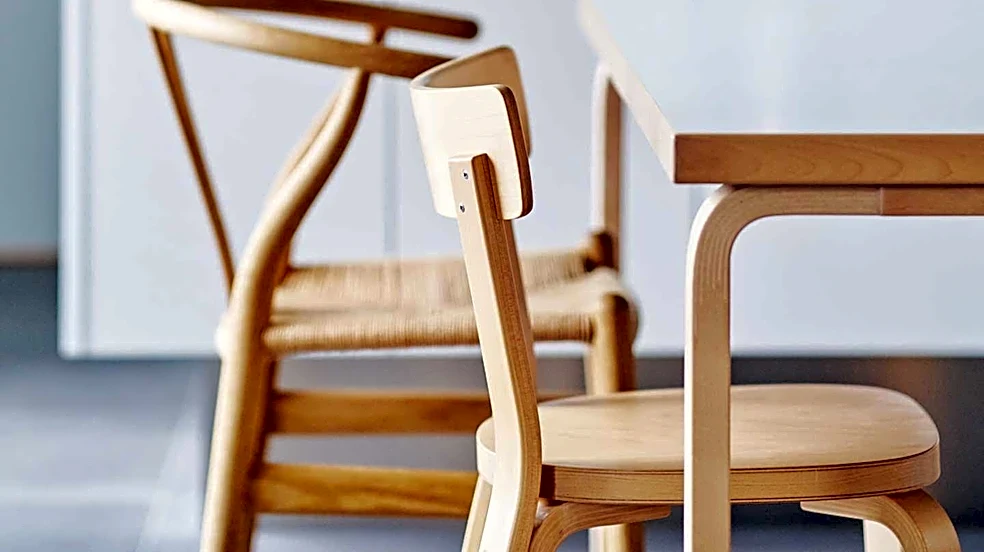
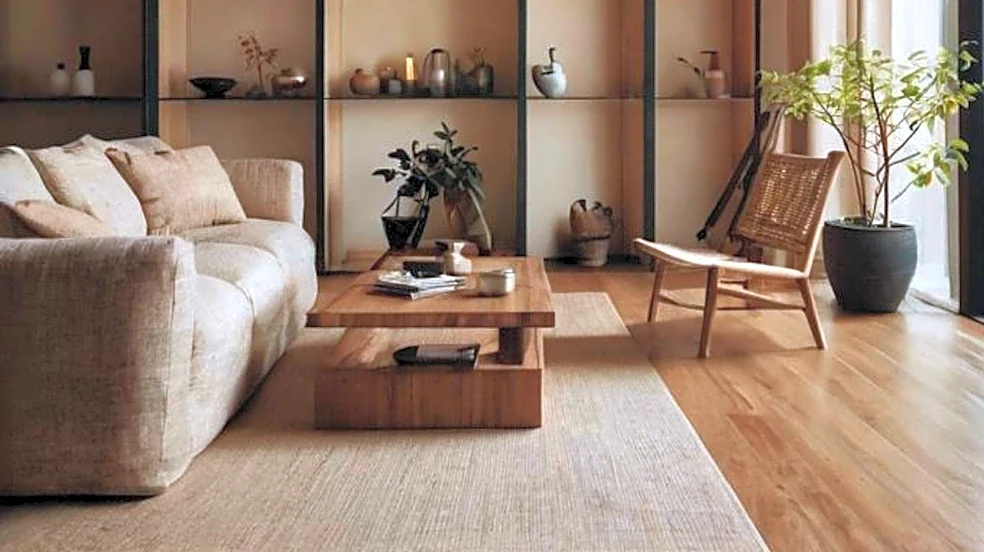
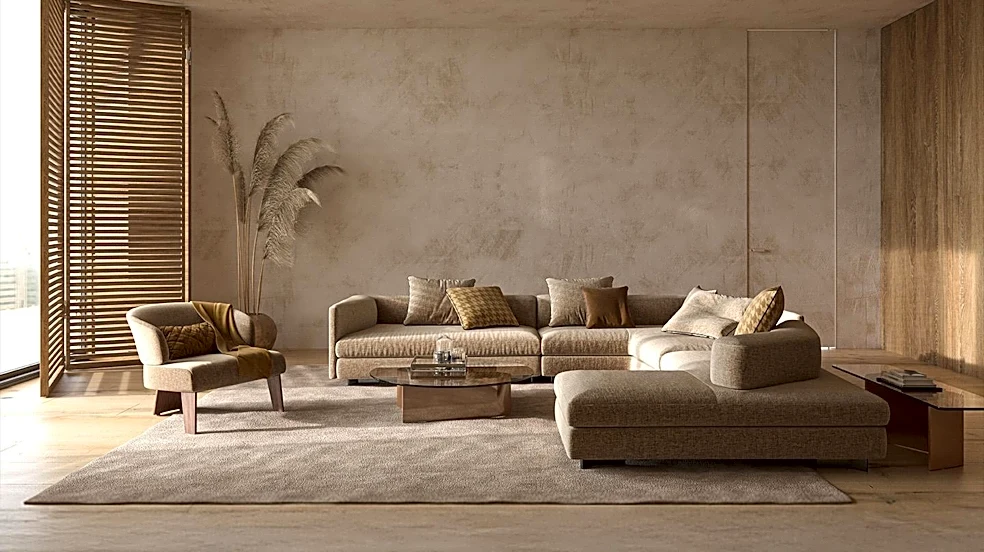
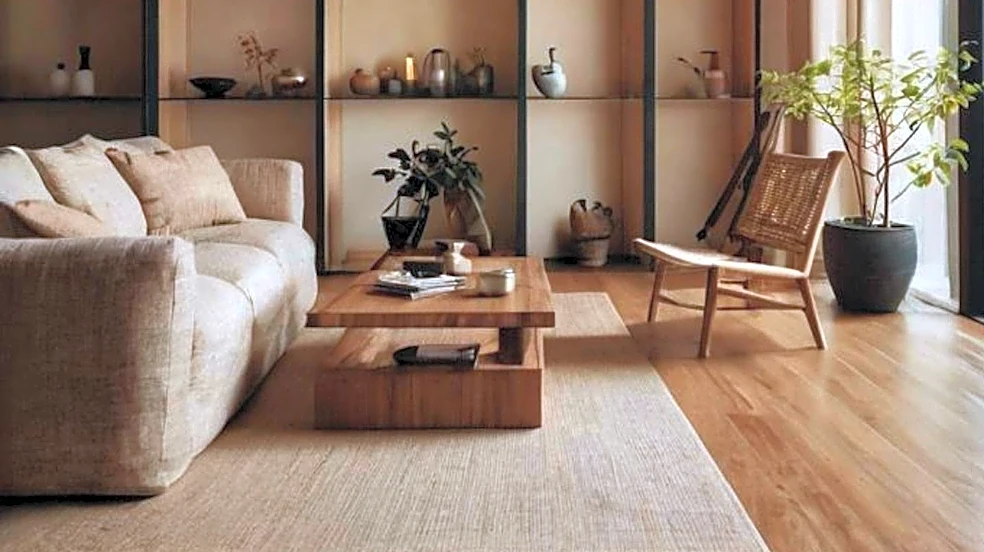
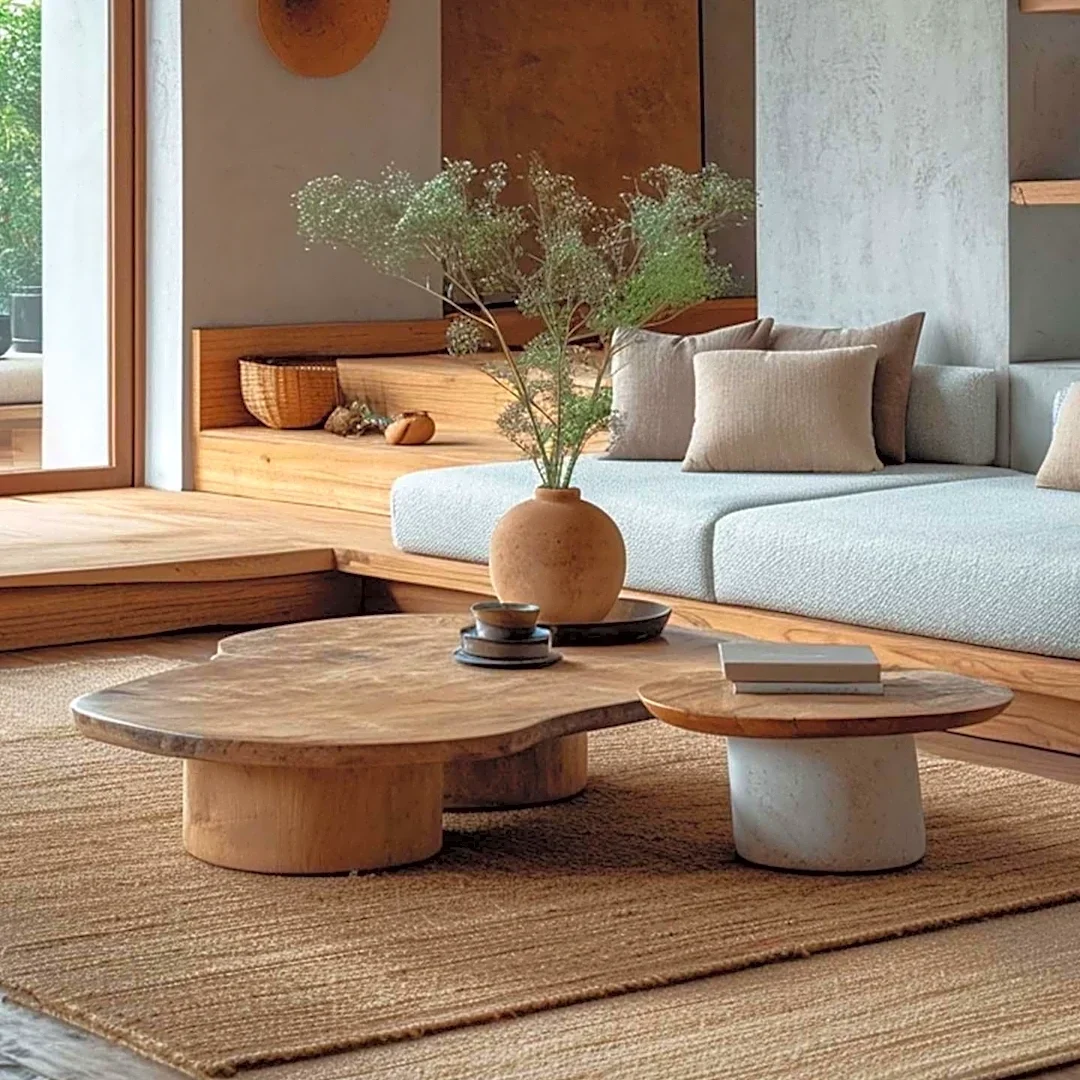
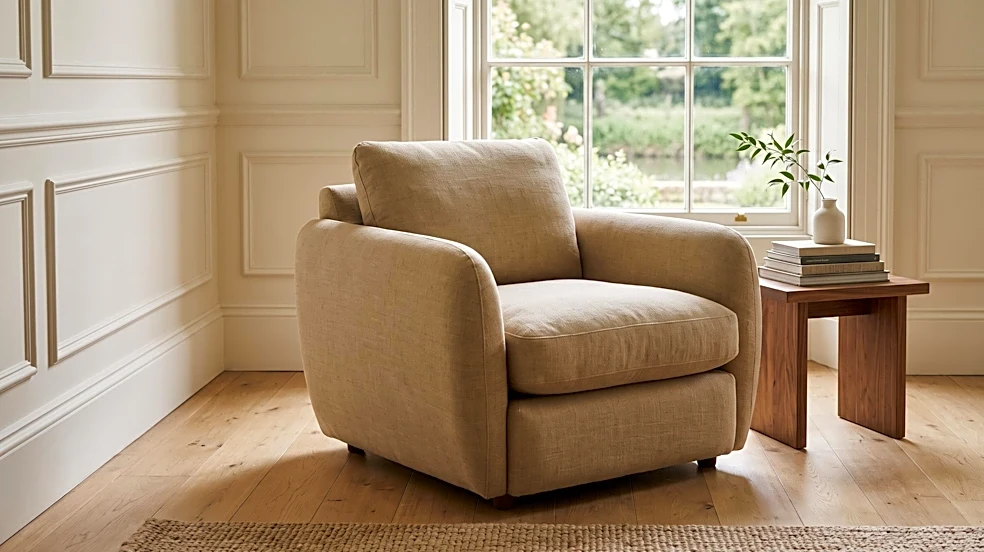
Japandi style, a fusion of Japanese minimalism and Scandinavian warmth, is gaining traction in interior design. This aesthetic emphasizes clean lines, natural wood, soft colors, and handmade items, prioritizing simplicity and a calm atmosphere. Key principles
include a restrained color palette, typically two light neutrals and one deeper accent, and a focus on fewer, higher-quality pieces over numerous mismatched ones. The style incorporates natural wood furniture, open spaces, and is adaptable to various living situations, including small spaces and rentals, by utilizing removable items and hooks. It also embraces the concept of wabi-sabi, finding beauty in imperfection, such as a mended chair or a chipped bowl, suggesting that items with a story are more valuable than new, flawless ones. The approach encourages decluttering and thoughtful selection of items to create a serene and functional living environment.
Why It's Important?
The rise of Japandi style reflects a broader shift in consumer preferences towards more mindful and sustainable living. In an increasingly fast-paced and consumer-driven society, this design philosophy offers a counter-narrative by promoting intentionality, longevity, and appreciation for natural materials and craftsmanship. For the U.S. home furnishings and interior design industries, this trend signifies a demand for products that are not only aesthetically pleasing but also functional, durable, and ethically produced. Businesses that can adapt to this demand by offering minimalist designs, natural wood furniture, handmade ceramics, and textiles like linen, wool, and cotton are likely to gain a competitive edge. Furthermore, the emphasis on decluttering and creating serene spaces can positively impact mental well-being, offering consumers a sanctuary from external stressors and fostering a more harmonious home environment.
What's Next?
As the Japandi style continues to evolve, consumers can expect to see more accessible and budget-friendly options for incorporating this aesthetic into their homes. Retailers and designers are likely to expand their offerings of low-profile furniture, natural wood pieces, and handmade decor that align with Japandi principles. There will also be a continued focus on multi-functional furniture and clever storage solutions, particularly for those living in smaller urban spaces. The integration of smart home technology that seamlessly blends into minimalist designs, without disrupting the serene aesthetic, could also become a key development. Additionally, workshops and online resources dedicated to DIY Japandi decor and sustainable living practices may become more prevalent, empowering individuals to personalize their spaces while adhering to the style's core values of simplicity and natural beauty.
Beyond the Headlines
Beyond its aesthetic appeal, Japandi style subtly challenges conventional notions of luxury and perfection in home decor. By valuing imperfection (wabi-sabi) and emphasizing fewer, higher-quality items, it encourages a more conscious consumption pattern, moving away from disposable trends. This shift has ethical implications, promoting sustainable production and reducing waste in the design industry. Culturally, it represents a blending of Eastern and Western philosophies, highlighting a global appreciation for tranquility, functionality, and connection to nature. The style's adaptability to small spaces also addresses contemporary urban living challenges, offering practical solutions for maximizing comfort and serenity in limited areas. Ultimately, Japandi is more than just a design trend; it's a lifestyle choice that advocates for intentional living, sustainability, and a deeper appreciation for the inherent beauty of natural materials and the stories they tell.