





What's Happening?
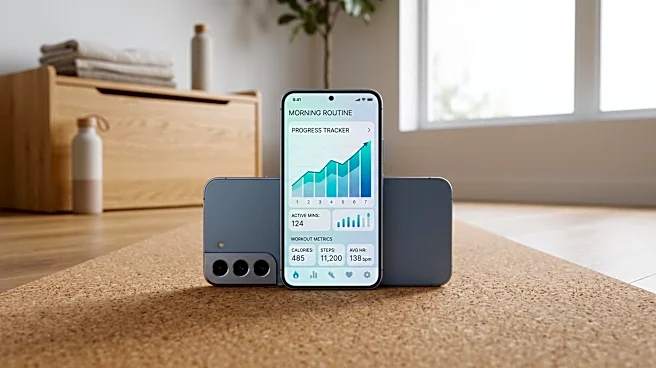
The fitness industry is experiencing a significant shift towards digital resistance systems and wearable technology, according to the American College of Sports Medicine’s 2027 Worldwide Fitness Trends report. Wearable technology remains the leading fitness trend,
followed by mobile exercise apps. Digital resistance systems offer an alternative to conventional weights, allowing users to electronically adjust workout intensity, follow programs, and monitor progress without bulky equipment. This trend is driven by the enduring appeal of home workouts, accelerated by the COVID-19 pandemic, and the convenience they offer for individuals with busy schedules. Manufacturers are increasingly designing compact digital systems that blend into home environments, providing a variety of exercises through a single machine.
Why It's Important?
This evolution in fitness technology has significant implications for the U.S. health and wellness industry, impacting consumers, fitness professionals, and equipment manufacturers. The rise of digital weights and home-based solutions makes strength training more accessible to a broader population, potentially improving public health outcomes by encouraging consistent exercise. For consumers, it offers flexibility and convenience, reducing barriers to maintaining a regular fitness routine. For businesses, it signifies a growing market for innovative, tech-integrated fitness products and services. The emphasis on healthy aging and longevity, with fitness programs for older adults ranking high, underscores a societal shift towards proactive health management, where maintaining muscle strength is recognized as crucial for quality of life and independence.
What's Next?
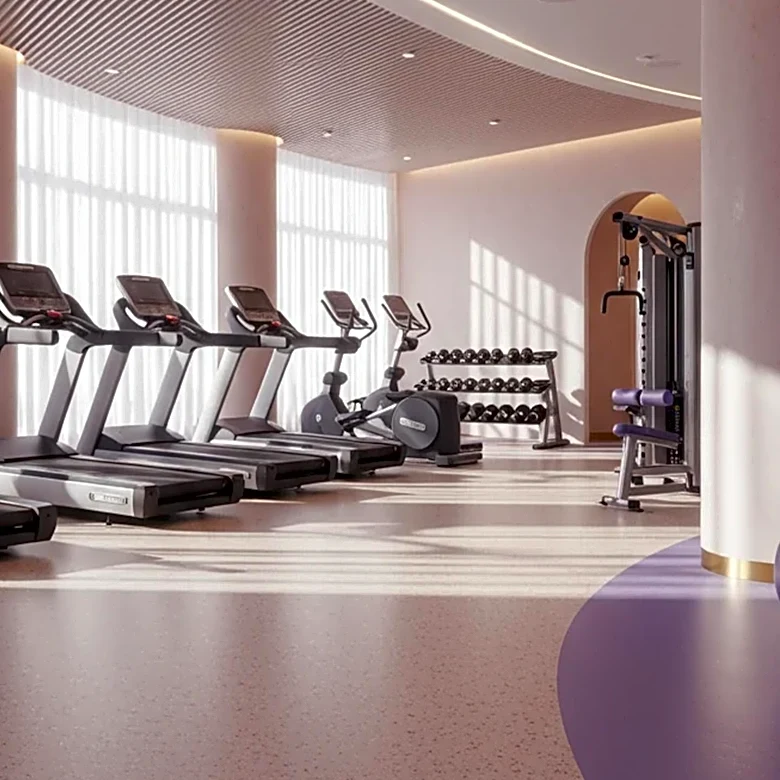
The trend suggests continued innovation in smart fitness equipment, with a focus on user-friendly interfaces, personalized workout experiences, and data tracking. While digital fitness is expanding options, it does not necessarily signal the decline of traditional gyms, as group fitness classes and conventional strength training also remain popular. The future of strength training will likely involve a hybrid approach, where digital tools complement traditional methods. Further research and development will focus on integrating more advanced AI and personalized coaching into these digital platforms, making fitness even more tailored and effective. The challenge for manufacturers will be to balance technological advancement with affordability and accessibility to reach a wider demographic.
Beyond the Headlines
The integration of technology into fitness raises questions about data privacy and the potential for over-reliance on digital metrics versus intrinsic motivation. It also highlights a cultural shift towards valuing convenience and efficiency in personal health management. The design of fitness equipment to blend into living spaces reflects a broader trend of blurring the lines between work, life, and wellness within the home environment. This could lead to a more integrated approach to health, where physical activity is seamlessly woven into daily life rather than being confined to dedicated gym time. The emphasis on maintaining muscle strength for longevity also points to a growing awareness of the importance of functional fitness as people age, moving beyond purely aesthetic goals.