



What's Happening?
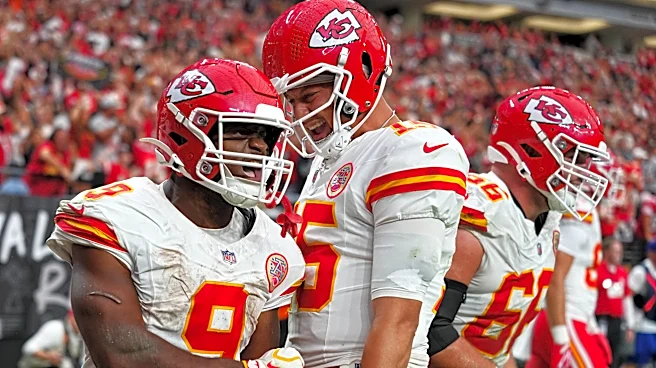
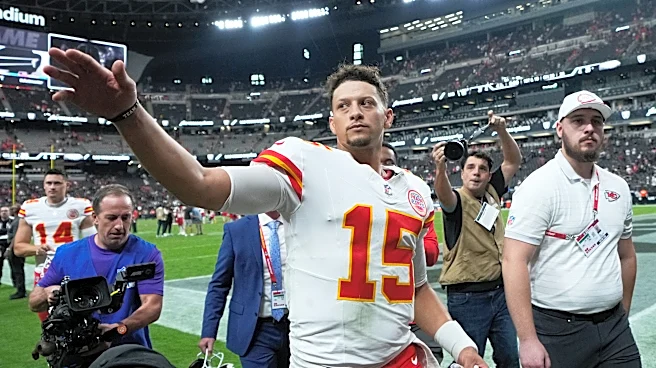
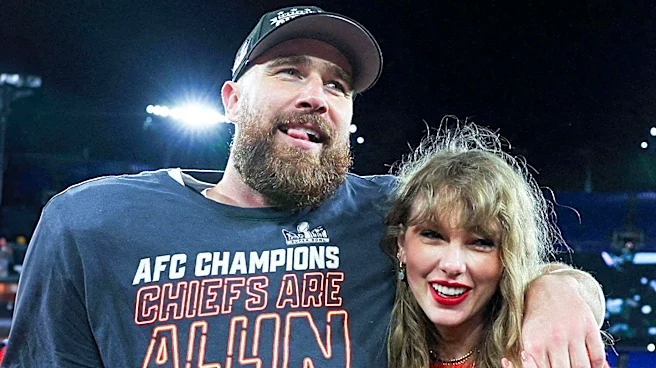
NFL legend Emmitt Smith has publicly defended Taylor Swift's frequent appearances at Kansas City Chiefs games. Swift, who is dating Chiefs tight end Travis Kelce, has become a regular fixture at Arrowhead Stadium, drawing significant media attention.
Her presence has sparked a debate among football fans, with some enjoying her support for Kelce and others criticizing broadcasters for repeatedly featuring her during game coverage. These critics argue that the focus on Swift detracts from the on-field action. Smith, a former Dallas Cowboys star, addressed this controversy in an interview with Variety. He questioned why Swift's attendance has become a contentious issue, stating that she is simply there to support her partner. Smith emphasized that Swift is not actively seeking camera attention, but rather the television networks are choosing to highlight her due to her celebrity status. He believes that the networks play a major role in turning her attendance into a recurring talking point, rather than Swift herself demanding the spotlight.
Why It's Important?
Emmitt Smith's defense of Taylor Swift's NFL appearances highlights a broader discussion about the intersection of celebrity culture, sports, and media coverage in the U.S. His comments underscore the significant influence that high-profile individuals like Swift can have on major sports leagues, even when their involvement is personal. The debate surrounding her presence reflects a tension between traditional sports viewership and the evolving landscape of entertainment, where celebrity narratives often intertwine with sporting events. For the NFL, Swift's attendance has undeniably brought a new demographic of viewers, particularly women, to the sport, potentially expanding its audience and market reach. However, it also raises questions about how much celebrity focus is too much, and whether it alienates a segment of the traditional fanbase who prefer an unadulterated sports viewing experience. Smith's perspective, as a respected figure in the NFL, lends weight to the argument that the media's choices, rather than Swift's intentions, are driving the controversy.
What's Next?
The debate surrounding Taylor Swift's appearances at NFL games is likely to continue as long as her relationship with Travis Kelce remains in the public eye and she attends games. Broadcasters will face ongoing pressure to balance the interest in Swift with the desire of some fans for uninterrupted game coverage. It is probable that networks will continue to feature her, given the proven ratings boost and increased engagement her presence brings. However, they may also attempt to adjust the frequency or duration of her on-screen time in response to fan feedback. This situation could lead to further discussions within the sports media industry about best practices for integrating celebrity spectators into live broadcasts. The NFL itself will likely monitor the situation, weighing the benefits of increased viewership against any potential backlash from its core audience. Future celebrity attendance at major sporting events may also be influenced by how this ongoing situation is managed and perceived.
Beyond the Headlines
Beyond the immediate debate, this situation touches upon deeper implications regarding media ethics and the commodification of personal relationships in the public sphere. The intense scrutiny and debate over Swift's presence, despite her simply attending a game as a partner, illustrate the challenges celebrities face in maintaining privacy and normalcy. It also highlights how media outlets, driven by viewership and engagement metrics, can inadvertently or intentionally amplify certain narratives, sometimes at the expense of the primary event. This phenomenon extends beyond sports, reflecting a broader trend in modern media where personal lives of public figures become content. Furthermore, the discussion around Swift's impact on the NFL's female viewership points to the potential for cultural figures to break down traditional demographic barriers in sports, prompting a re-evaluation of marketing strategies and audience engagement within historically male-dominated arenas. The controversy also subtly questions the authenticity of fan experience when celebrity spectacle becomes a significant component.