




What's Happening?
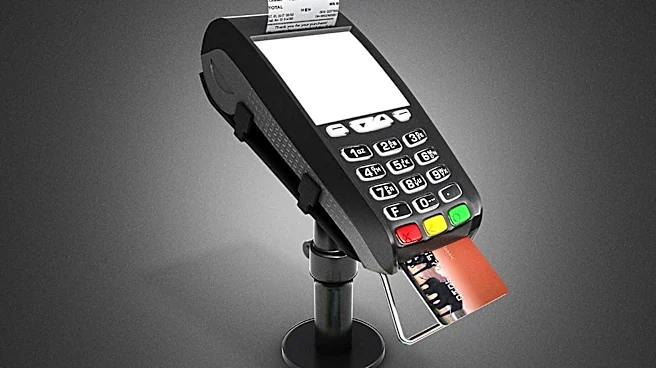
As the holiday peak season approaches, retailers are increasingly focusing on upgrading their in-store technology infrastructure to ensure operational readiness and enhance customer experience. This includes assessing and improving point-of-sale (POS)
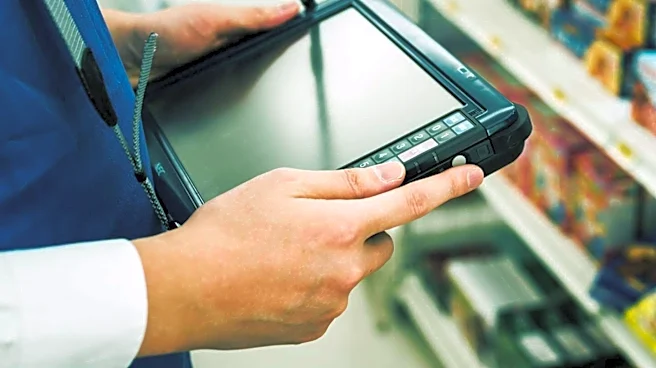
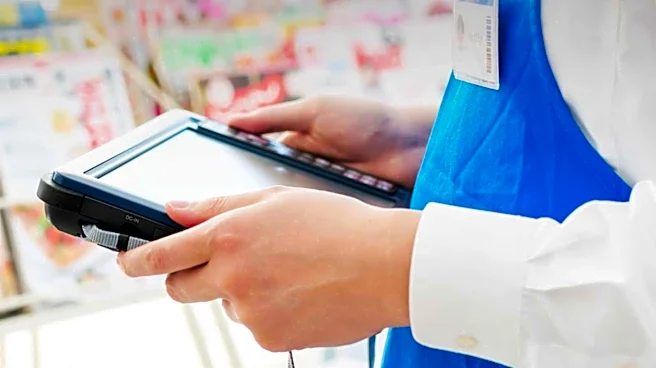
systems, network connectivity, wireless infrastructure, power protection, and mobile devices for store associates. The goal is to prevent disruptions that can arise from technology failures, such as issues with POS devices, network outages, or power failures, which can negatively impact both staff and customers. Modern retail demands real-time solutions for inventory tracking, digital payments, and loyalty programs, moving beyond traditional cash registers to integrated POS systems that provide valuable operational data. The National Retail Federation (NRF) emphasizes the growing importance of connected technology, data, automation, and digital capabilities across the retail industry, urging even independent operators to adopt modern solutions to remain competitive.
Why It's Important?
The shift towards advanced in-store technology is crucial for U.S. retailers to meet evolving consumer expectations for speed, convenience, and personalization, especially during high-traffic periods like the holiday season. Outdated systems can lead to significant financial losses due to missed sales opportunities, inefficient inventory management, and frustrated customers. Modern POS systems, for instance, are no longer just for transactions; they serve as key data sources that connect with inventory, price books, and back-office operations, providing insights into sales trends, product performance, and potential discrepancies. This data-driven approach helps retailers optimize stock levels, reduce shrink, and improve overall business management. Investing in robust technology infrastructure ensures seamless operations, boosts associate productivity, and ultimately contributes to higher customer satisfaction and profitability in a competitive retail landscape.
What's Next?
Retailers are expected to continue investing in comprehensive technology assessments and upgrades in preparation for future peak seasons and ongoing operational demands. This will involve prioritizing solutions that offer real-time data, automation, and seamless integration across various store functions. The focus will likely be on implementing advanced inventory management systems, AI-powered analytics for demand forecasting, and mobile tools for staff to enhance efficiency. Furthermore, there will be a continued push to transition from analog cash registers to connected POS systems that can process transactions while simultaneously feeding valuable data into broader business intelligence platforms. Retailers will also explore solutions that address data integrity and siloed customer information to enable more effective in-store personalization.
Beyond the Headlines
The widespread adoption of advanced in-store technologies signifies a fundamental transformation in the retail sector, moving beyond mere transaction processing to a holistic, data-driven operational model. This evolution has deeper implications for workforce training, as employees will need new skills to manage and leverage these sophisticated systems. Ethical considerations around data privacy and security will also become more prominent as retailers collect and analyze more customer information. The long-term shift could lead to a more personalized and efficient shopping experience, but it also raises questions about the digital divide, potentially leaving smaller, independent retailers who cannot afford these investments at a disadvantage. Ultimately, the integration of technology is reshaping the physical retail environment into a more intelligent and responsive ecosystem.