



What's Happening?
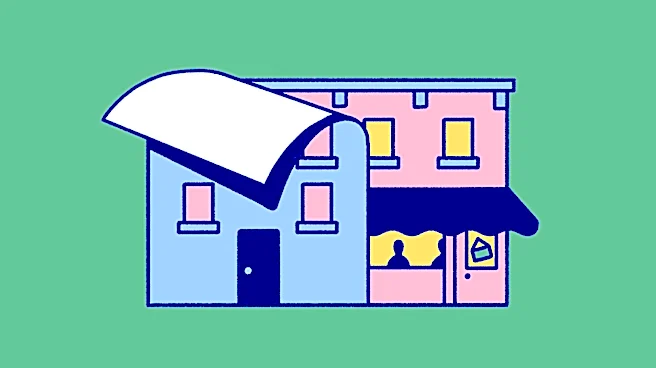
The new play 'The Holes' by Max Wolf Friedlich is set to premiere at The Wild Project, running from September 8 to October 18. Directed by Michael Herwitz, the play is a dark comedy set in a decaying bar in a gentrifying city. It explores themes of shame,
desire, tradition, and progress, reflecting the societal tensions between community and individualism. The production features actors Bubba Weiler, Grantham Coleman, and Tina Benko, and is executive produced by Rob Pat and Brighton of IEA.
Why It's Important?
The play 'The Holes' addresses the complex issues surrounding gentrification, a topic of significant relevance in many urban areas across the U.S. As cities undergo rapid development, the cultural and social dynamics within communities are often disrupted, leading to conflicts between long-standing residents and new arrivals. By dramatizing these themes, the play contributes to the ongoing conversation about urban development and its impact on community identity and cohesion. It offers audiences a chance to reflect on the broader implications of gentrification and the balance between progress and preservation.
What's Next?
Following its run at The Wild Project, 'The Holes' may continue to engage audiences through potential tours or adaptations, further spreading its message on gentrification and community dynamics. The play's reception could influence future theatrical productions to tackle similar social issues, encouraging more artists to use their platforms to address pressing societal concerns. Additionally, discussions sparked by the play may inspire community leaders and policymakers to consider more inclusive approaches to urban development.
Beyond the Headlines
Beyond its immediate narrative, 'The Holes' serves as a cultural critique of the forces shaping modern urban life. It challenges audiences to consider the ethical dimensions of gentrification, such as the displacement of marginalized communities and the loss of cultural heritage. The play's exploration of individual versus collective interests highlights the need for empathy and understanding in addressing urban challenges. As such, it not only entertains but also educates, prompting deeper reflection on the values that underpin community life.