



What's Happening?
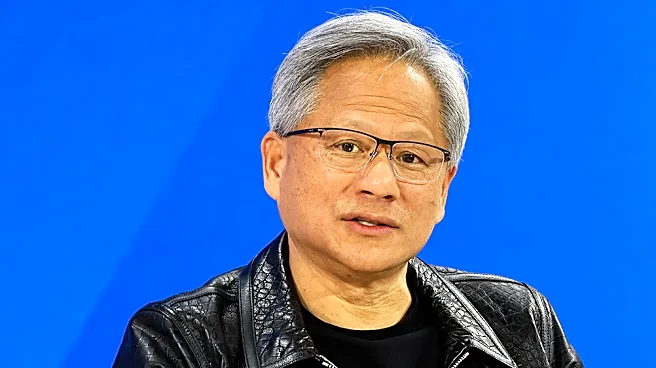
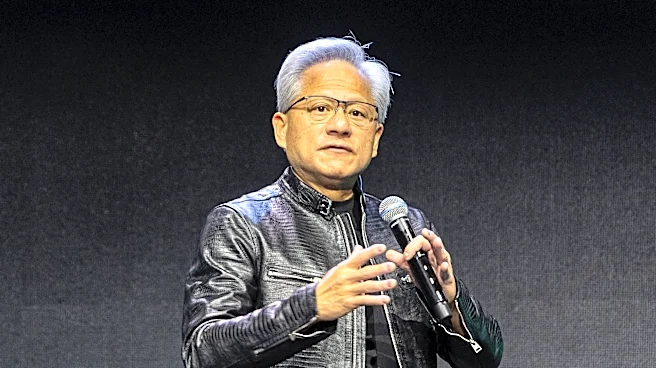
Nvidia's board of directors has reinstated Jensen Huang as chief executive, president, and a member of the board. This decision was announced on Monday after a series of discussions and meetings with Mr. Huang. The board stated that it was satisfied with Huang's
candor and his ability to lead Nvidia. A significant factor in this reinstatement was input received from "senior levels of the United States government." The board expressed confidence that Huang does not pose a national security risk, a concern that had apparently been addressed during their deliberations. This development marks a crucial moment for the technology company and its leadership structure, ensuring continuity at the helm of one of the leading firms in the semiconductor industry. The company's investor relations site published the announcement, indicating the official nature of the decision.
Why It's Important?
The reinstatement of Jensen Huang as Nvidia's CEO is highly significant for several reasons. Nvidia is a dominant force in the graphics processing unit (GPU) market, which is critical for advancements in artificial intelligence, data centers, and high-performance computing. Huang's leadership has been instrumental in the company's growth and strategic direction, making his continued tenure vital for investor confidence and market stability. The involvement of "senior levels of the United States government" in the board's decision-making process underscores the strategic importance of Nvidia to national interests, particularly concerning technology leadership and national security. This suggests that the U.S. government views Nvidia's leadership and operations as having broader implications beyond just corporate performance, potentially related to technological competition and supply chain security. The board's explicit statement about Huang posing no national security risk aims to allay any concerns that might have arisen, ensuring the company can operate without undue scrutiny.
What's Next?
With Jensen Huang's reinstatement, Nvidia is expected to continue its current strategic trajectory, focusing on innovation in AI, data centers, and gaming. The company will likely proceed with its ongoing projects and expansion plans, leveraging Huang's established vision and leadership. The explicit clearance regarding national security risks, following government consultation, could also pave the way for smoother international operations and partnerships, particularly in sensitive technological areas. Investors will likely react positively to the stability in leadership, potentially leading to continued confidence in Nvidia's stock performance. Future announcements from Nvidia will likely focus on product development, market expansion, and financial results, with the leadership question now settled. The company will aim to reinforce its position as a leader in the global technology landscape.
Beyond the Headlines
The involvement of senior U.S. government officials in a corporate board's decision regarding its CEO highlights a growing trend of national security considerations intersecting with corporate governance, especially in critical technology sectors. This suggests an increased governmental interest in the leadership and strategic direction of companies deemed vital for national competitiveness and security. It raises questions about the extent of government influence in private sector leadership decisions, particularly for companies at the forefront of advanced technologies like AI and semiconductors. This precedent could lead to more frequent consultations between government bodies and corporate boards in industries deemed strategically important, potentially shaping future corporate leadership selections based on national interests. It also underscores the geopolitical significance of technology companies and their executives in the current global landscape.