


What's Happening?
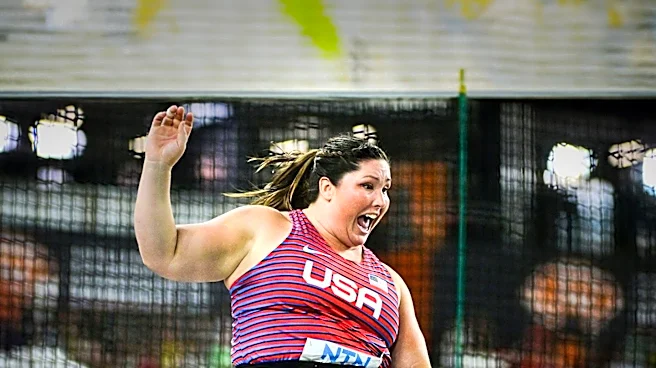
Kent State's track and field program is recognized for its strong tradition, particularly in throwing events, having secured multiple NCAA individual titles. The sport of track and field itself is multifaceted, encompassing a wide array of disciplines
including sprints, distance races, hurdles, relays, jumps, throws, and multi-events. A typical season for a track and field team involves tracking numerous storylines across both indoor and outdoor competitions. These storylines include athletes achieving personal bests, the progression of relay teams, securing regional qualifying marks, and making appearances in the NCAA first round. The program's focus extends beyond just competition, with coaching roles emphasizing performance instruction, strategic recruitment, and close collaboration with the head coach to foster overall team success and individual athlete growth.
Why It's Important?
The emphasis on specific event groups, such as throwing events at Kent State, highlights a strategic approach to athletic program development that can lead to sustained success and national recognition. This specialization allows for concentrated resources, expert coaching, and a culture of excellence within those disciplines, attracting top talent and producing high-achieving athletes. For the university, this success enhances its athletic reputation, potentially increasing student applications and alumni engagement. More broadly, the comprehensive nature of track and field, requiring athletes to excel in diverse events and coaches to manage complex seasonal narratives, underscores the importance of holistic athlete development. This approach not only prepares athletes for competitive success but also instills discipline, strategic thinking, and resilience, qualities valuable beyond the sports arena. The continuous cycle of personal bests, team progress, and qualification for higher-level competitions demonstrates the dynamic and evolving nature of collegiate sports, where consistent improvement and strategic planning are crucial for maintaining a competitive edge.
What's Next?
Looking ahead, Kent State's track and field program will likely continue to build on its established strengths in throwing events while also developing other disciplines to ensure a well-rounded competitive team. The coaching staff will focus on refining performance instruction techniques and implementing effective recruitment strategies to attract promising athletes. This ongoing effort is crucial for maintaining the program's competitive standing and securing future NCAA qualifications and titles. Athletes will continue to strive for personal bests and regional qualifying marks throughout the indoor and outdoor seasons, with the ultimate goal of advancing to the NCAA first round and beyond. The program will also need to adapt to evolving collegiate athletic landscapes, including changes in recruitment practices, training methodologies, and NCAA regulations, to ensure its continued success and relevance in the highly competitive world of collegiate track and field.
Beyond the Headlines
The success of a specialized program like Kent State's track and field in throwing events can have deeper implications for athletic departments and universities. It demonstrates that focused investment in specific areas can yield significant returns in terms of national recognition and athletic prestige, potentially inspiring other institutions to identify and cultivate their own niche strengths. This approach can also foster a strong sense of identity and pride within the athletic community, creating a legacy that transcends individual seasons. Furthermore, the intricate process of tracking athlete progress, from personal bests to NCAA qualifications, reflects a broader commitment to data-driven performance analysis and individualized development plans in modern sports. This systematic approach not only optimizes athletic potential but also provides valuable insights into sports science and coaching effectiveness, contributing to the overall advancement of athletic training methodologies.