






What's Happening?
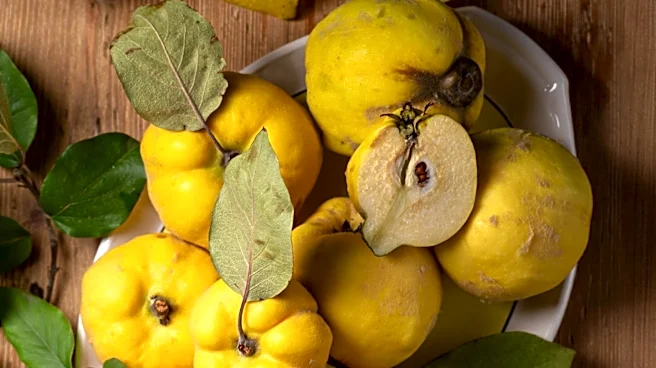
Japanese quinces, botanically known as Chaenomeles japonica, are small to medium-sized fruits native to Japan, typically measuring 4 to 7 centimeters in diameter. These fruits grow on deciduous shrubs up to one meter tall and are characterized by their
irregular, round to conical shape. The skin transitions from yellow-green to golden yellow when ripe, often displaying brown marks or a faint red blush, and develops a sticky, waxy consistency. The firm, dense, and fibrous golden yellow flesh contains a central cavity filled with red-brown seeds, with a single fruit potentially holding up to eighty seeds. Japanese quinces are highly aromatic, emitting a scent reminiscent of pineapples, mangoes, lemon, vanilla, and spices. While astringent and unpalatable raw, cooking softens the flesh and mellows the flavor into a sharp, fruity, tangy, and floral taste. Historically, these shrubs were planted in home gardens for their ornamental value, with their showy, colorful blooms in shades of orange, red, yellow, pink, and magenta. Over time, their culinary potential, particularly as a natural source of pectin and for their unique flavor in cooked preparations, has been recognized.
Why It's Important?
The increasing recognition of Japanese quinces in culinary applications highlights a growing interest in diverse and unique fruit varieties within the U.S. food market. While not commercially cultivated on a large scale in the U.S., their presence in specialty orchards and home gardens suggests a niche market for exotic and aromatic ingredients. For consumers, this offers new flavor profiles and potential health benefits, as Japanese quinces are a good source of fiber and vitamin C. For the food industry, particularly in gourmet and health-conscious sectors, Japanese quinces could represent an opportunity for innovative product development, such as jams, preserves, and unique beverage infusions. The fruit's natural pectin content is also valuable for food manufacturers. Furthermore, the ornamental appeal of the shrubs could boost the U.S. horticulture industry, offering frost-tolerant and hardy plants for landscaping, potentially increasing demand for these species in nurseries and garden centers.
What's Next?
As awareness of Japanese quinces grows, there may be an increased demand for their cultivation in the U.S., moving beyond specialty orchards and home gardens. Research into commercial cultivation methods and potential agricultural adaptations for U.S. climates could follow. Culinary trends favoring unique and natural ingredients might lead to more widespread use in restaurants and food products. We could see more recipes and cooking guides featuring Japanese quinces, encouraging home cooks to experiment with this fruit. Additionally, the use of Japanese quinces in natural medicines, as practiced in Asia for digestion and detoxification, could spark interest in the U.S. natural health and wellness market, potentially leading to new product lines or dietary supplements. The ornamental value will likely continue to drive their presence in landscaping, with nurseries potentially expanding their offerings of Chaenomeles japonica varieties.
Beyond the Headlines
The story of Japanese quinces reflects a broader cultural exchange and appreciation for global botanical diversity. Their journey from being primarily an ornamental plant to a valued culinary ingredient in Japan, and now gaining attention internationally, underscores how perceptions of food and its uses can evolve. This shift also highlights the ongoing exploration of 'forgotten' or underutilized fruits that offer unique flavors and nutritional benefits, contributing to food biodiversity. The emphasis on their aromatic qualities and the need for cooking before consumption challenges conventional fruit consumption habits, encouraging culinary creativity. Furthermore, the historical context of their use in traditional Japanese beverages like karinshu illustrates the deep cultural connections between food, seasonality, and preservation techniques, offering insights into sustainable food practices that could inspire similar approaches in the U.S.