



What's Happening?
Teenage Engineering, a Swedish company known for its electronic musical instruments and distinctive design, released its first CD player, the EP/BC-1, on November 20, 2026. This new device is part of the company's 'Broadcast series,' which focuses on integrating
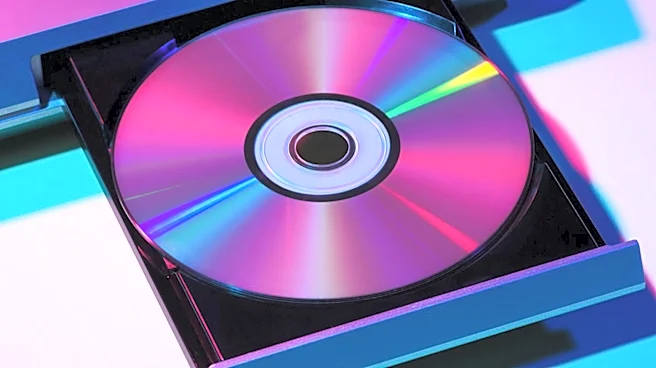
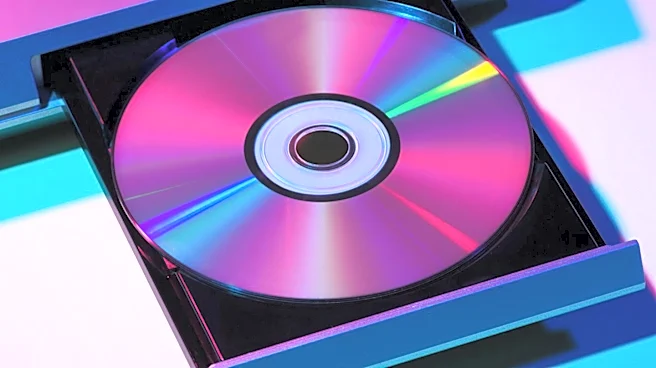
older music formats into modern sound systems. Unlike traditional CD players that conceal the disc, the EP/BC-1 features an open design, allowing the compact disc to be visible as it spins. This design choice aims to make the physical artwork of the disc part of the product's aesthetic and enhance the user's interaction with the music. The player is equipped with physical controls reminiscent of professional audio gear, including a numeric keypad for track selection, a jog stick for navigation, and a varispeed dial to adjust playback speed from 50% to 150%. Additionally, it offers features like cue points and beat detection, positioning it as more than just a playback device but a tool for creative music manipulation.
Why It's Important?
The release of the EP/BC-1 signifies a broader trend of re-evaluating physical music formats in an era dominated by streaming. While vinyl has seen a significant resurgence, Teenage Engineering's entry into the CD player market with such an innovative design suggests a renewed interest in the compact disc as a tangible and interactive medium. This move could influence how consumers perceive and engage with their music collections, shifting the focus from passive listening to active participation. For musicians and producers, especially those in electronic music, the EP/BC-1 offers a new instrument for sampling and integrating older recordings into contemporary productions. By transforming the CD player into a creative tool, Teenage Engineering is challenging the notion of obsolescence for physical media, potentially opening new avenues for hardware innovation in the audio industry and catering to a niche market that values tactile experiences and unique design.
What's Next?
The introduction of the EP/BC-1 could inspire other audio equipment manufacturers to explore similar innovative approaches to physical media playback, potentially leading to a broader revival of interest in CDs. As part of Teenage Engineering's new Broadcast series, consumers can anticipate further products that integrate older music formats with modern functionalities, expanding the ecosystem of interactive audio tools. The device's features, such as Bluetooth, Auracast, and USB connectivity for WAV file export, suggest a future where physical and digital music experiences are more seamlessly integrated. The EP/BC-1's ability to dock with Teenage Engineering's K.O.-AMP 35 to form a portable sound system indicates a potential for modular and expandable audio setups, catering to users who desire both portability and advanced functionality. The market will likely observe how this product influences consumer demand for physical media and creative audio hardware.
Beyond the Headlines
The EP/BC-1's design philosophy extends beyond mere functionality, touching upon the cultural and aesthetic value of physical objects in a digital age. By exposing the spinning disc, Teenage Engineering elevates the compact disc from a hidden data carrier to a visual and tactile element of the listening experience, akin to the ritualistic appeal of vinyl. This approach challenges the prevailing convenience-driven model of music consumption by emphasizing engagement and the artistic presentation of the medium itself. Ethically, it prompts a discussion about sustainability in consumer electronics, as it encourages the reuse and re-appreciation of existing media libraries rather than constant digital consumption. Legally, the ability to easily copy tracks to USB as uncompressed WAV files could raise questions about digital rights management and personal use, though it primarily serves as a feature for creative manipulation. Culturally, it reflects a growing desire for tangible connections in an increasingly virtual world, suggesting a long-term shift towards valuing the 'objectness' of media.