




What's Happening?
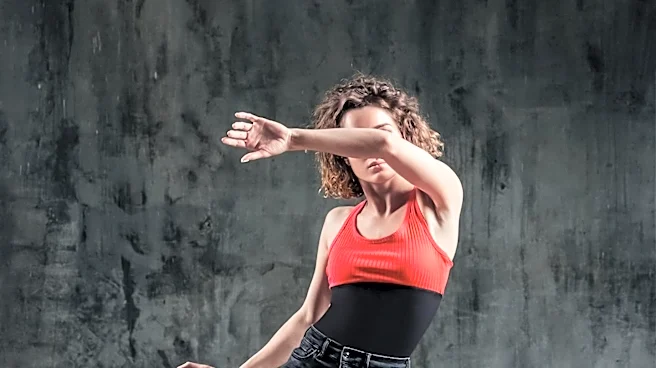
Dance workouts, such as those offered by Belly Heat, are gaining recognition for providing a comprehensive range of benefits that extend beyond traditional physical exercise. Participants report experiencing a full-body workout, calorie burning, and improvements
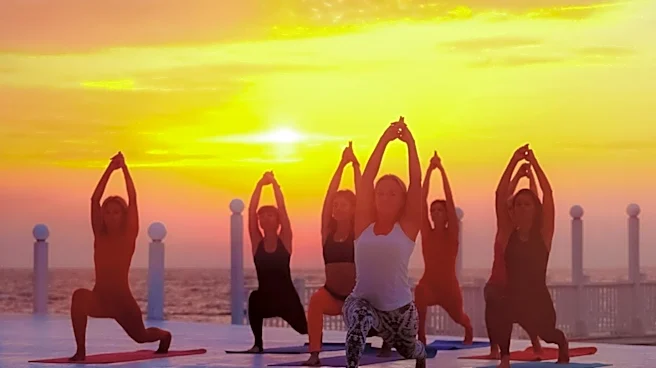
in cardiovascular health, flexibility, and coordination. Beyond the physical aspects, dance is highlighted for its capacity to foster social connection and mental stimulation. The practice encourages individuals to connect with their bodies, paying attention to movement, rhythm, and tension, which can lead to a meditative state. This focus on the present moment helps individuals disengage from daily stressors and mental clutter. Outdoor dance sessions further enhance this experience by integrating natural elements like fresh air and natural light, offering a different environment compared to indoor studios.
Why It's Important?
The growing emphasis on dance as a holistic fitness approach is significant for the U.S. health and wellness industry. It offers an alternative to conventional workouts, potentially attracting a broader demographic seeking engaging and enjoyable ways to stay active. For individuals, dance workouts provide a unique blend of physical and mental health benefits, addressing both the body and mind. This approach can help combat issues like stress and anxiety by offering a mindful activity that promotes presence and self-awareness. The social aspect of group dance classes can also help address feelings of isolation, contributing to community well-being. As more people seek integrated wellness solutions, dance workouts could see increased adoption, influencing fitness program development and public health initiatives that promote active lifestyles.
What's Next?
The trend of dance workouts is likely to continue expanding, with more fitness centers and community programs incorporating diverse dance styles like Zumba, Bollywood, and ballroom dancing. There may be an increased focus on outdoor dance events and classes, leveraging natural environments to enhance the meditative and stress-reducing aspects of the activity. Fitness instructors and wellness professionals might integrate mindfulness techniques into dance routines, further blurring the lines between physical exercise and mental well-being practices. Additionally, research into the psychological benefits of dance could grow, providing more scientific backing for its role in mental health and stress management. This could lead to dance being recommended more frequently as a therapeutic activity alongside its fitness benefits.
Beyond the Headlines
The deeper implication of dance workouts lies in their potential to redefine fitness beyond mere physical metrics like calorie burn or strength. By emphasizing body awareness, rhythm, and present-moment focus, dance taps into a more intuitive and expressive form of movement. This can challenge the often-performance-driven culture of exercise, where individuals might feel pressure to achieve specific physical outcomes. Instead, dance encourages a more accepting and joyful relationship with one's body, fostering self-expression and reducing self-consciousness. The meditative quality of dance, particularly in outdoor settings, also highlights a broader cultural shift towards integrating nature and mindfulness into daily routines, promoting a more balanced and holistic approach to health and well-being.