



What's Happening?
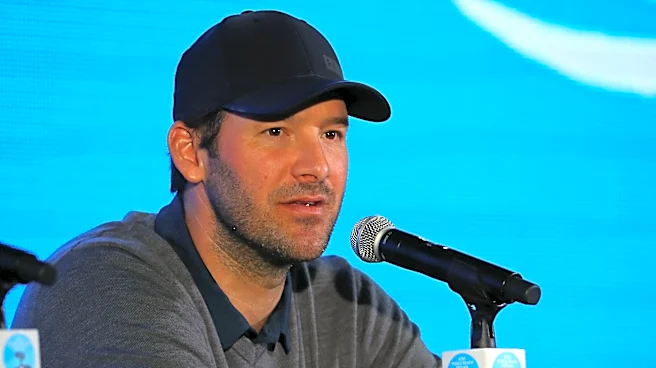
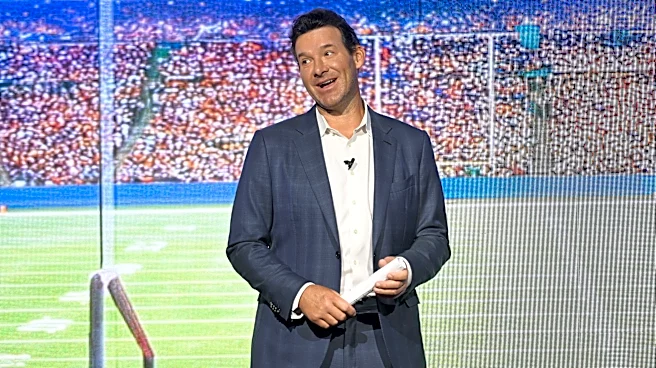
Former Dallas Cowboys quarterback and current CBS broadcaster Tony Romo has pleaded no contest to operating while intoxicated (OWI) in Wisconsin. Court records, as reported by WTMJ in Milwaukee, indicate that Romo's blood-alcohol concentration (BAC) was
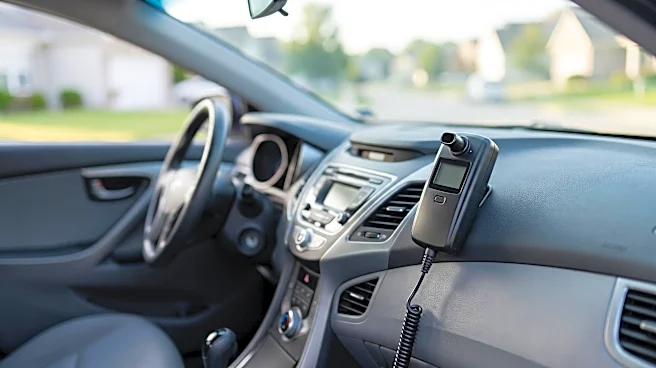
measured at 0.15 percent. This level is nearly twice the legal limit of 0.08 percent. Romo initially showed reluctance to undergo breath testing following his arrest but later complied. As a result of his plea, Romo faces a fine of $834, a six-month suspension of his driver's license, mandatory attendance and completion of an alcohol assessment program, and the installation of an ignition interlock device in his vehicle for at least one year after his license is reinstated. Romo issued a statement acknowledging his plea, admitting to an 'over-reliance' on alcohol, and expressing his intention to return to CBS.
Why It's Important?
This incident highlights the serious consequences of impaired driving, even for public figures. For Tony Romo, a prominent sports broadcaster, the legal repercussions include significant fines, license suspension, and mandatory rehabilitation, which could impact his public image and professional responsibilities. The requirement for an ignition interlock device underscores the legal system's focus on preventing repeat offenses and ensuring public safety. For CBS, Romo's employer, the situation presents a challenge in managing the public perception of one of its key personalities. While Romo has expressed his intent to return, the incident could lead to discussions about corporate responsibility and the conduct of their talent. More broadly, it serves as a reminder to the public about the dangers and legal ramifications of driving under the influence, reinforcing the importance of responsible alcohol consumption and adherence to traffic laws.
What's Next?
Following his no-contest plea, Tony Romo will proceed with the mandated penalties, including paying the $834 fine and beginning his six-month driver's license suspension. He will also need to attend and complete the required alcohol assessment program. After his license is reinstated, he will be required to install an ignition interlock device in his vehicle for a minimum of one year. Romo has publicly stated his intention to return to his broadcasting role at CBS. The network will likely monitor his adherence to the legal requirements and his public conduct. The incident may prompt CBS to issue a statement or address the situation internally, though no specific actions from the network have been detailed. Romo's future public appearances and commentary will likely be scrutinized in light of his admission of an 'over-reliance' on alcohol.
Beyond the Headlines
Tony Romo's OWI incident and subsequent public acknowledgment of an 'over-reliance' on alcohol bring to light the broader issue of substance abuse, particularly among individuals in high-pressure public roles. This situation could spark conversations about mental health and addiction support within professional sports and media industries. The transparency of his plea and statement, while legally required, also offers a moment for public reflection on personal accountability and the challenges of maintaining sobriety. The legal system's response, including the ignition interlock device, reflects a societal shift towards more stringent measures to combat impaired driving, emphasizing rehabilitation and prevention. This event could also influence how sports networks address the personal conduct of their on-air talent, potentially leading to updated policies or increased support systems for employees facing similar struggles.