
What's Happening?
Cisco CEO Chuck Robbins has stressed the critical importance of building Artificial Intelligence (AI) data centers within the United States. Robbins articulated that while post-election rhetoric might
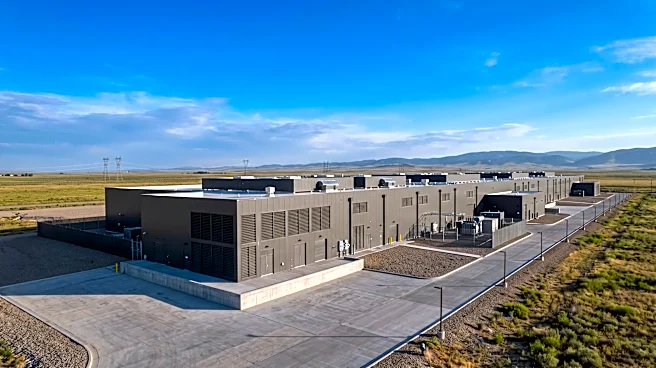
suggest a slowdown in data center infrastructure development, there is a need for a more thoughtful approach. He highlighted that some elected officials, including a Democratic governor in a traditionally red state, are not opposed to data centers but advocate for their development to be handled with greater consideration for local communities. This includes addressing concerns about energy costs, job creation, and ensuring that the narrative around these developments is beneficial rather than threatening to residents. Robbins firmly believes that if the U.S. does not facilitate the construction of these data centers domestically, companies will opt to build them outside the country, which he views as detrimental to the nation's interests.
Why It's Important?
The call from Cisco's CEO for domestic AI data center construction underscores a significant economic and strategic imperative for the United States. Building these advanced facilities within the U.S. is crucial for national competitiveness in the rapidly evolving AI landscape, ensuring that the country remains at the forefront of technological innovation. It also has implications for job creation, energy infrastructure, and data sovereignty. If data centers are built offshore, the U.S. could lose out on high-tech jobs, tax revenues, and direct control over critical AI infrastructure. Furthermore, the thoughtful integration of these facilities into local communities, as suggested by Robbins, is vital for mitigating potential negative impacts and fostering public support, which is essential for sustained development and growth in this sector.
What's Next?
The discussion around AI data center development in the U.S. is likely to intensify, with a focus on balancing technological advancement with community concerns. Political leaders and industry stakeholders will need to collaborate to establish policies that encourage domestic construction while addressing issues such as energy consumption, environmental impact, and local economic benefits. Cisco, as a major infrastructure provider, will continue to advocate for these developments, potentially influencing legislative efforts and public-private partnerships. The outcome of these discussions will determine the pace and location of future AI data center builds, impacting the U.S.'s position in the global AI race and its economic landscape.
Beyond the Headlines
The debate over where AI data centers are built touches upon deeper themes of national security, economic resilience, and technological self-sufficiency. Relying on foreign-built infrastructure for critical AI capabilities could introduce vulnerabilities related to data security, supply chain disruptions, and geopolitical influences. Domestically built data centers, conversely, can bolster national security by keeping sensitive data within U.S. borders and ensuring operational control. This also presents an opportunity to develop sustainable energy solutions and smart infrastructure planning to minimize environmental impact. The narrative shift Robbins advocates for—from threatening to beneficial—is crucial for public acceptance and could shape how future large-scale technological projects are perceived and integrated into American society, fostering a more collaborative approach between industry, government, and local communities.