



What's Happening?
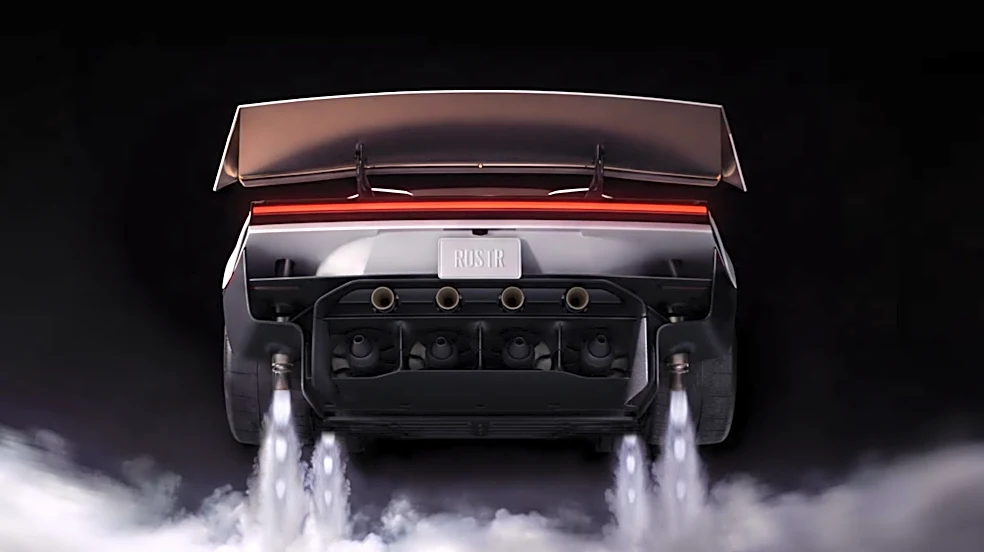
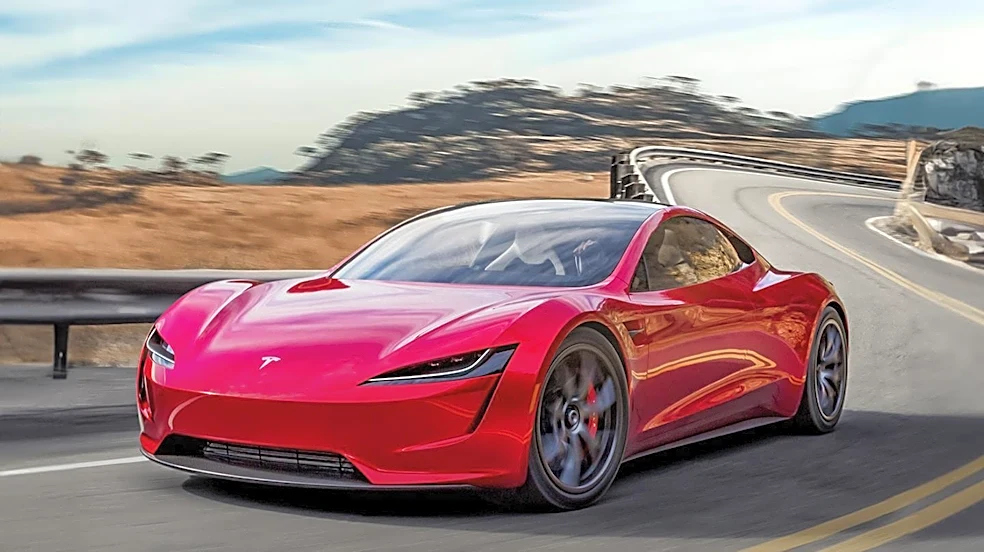
Tesla has officially unveiled its redesigned Roadster, featuring rocket-style thrusters developed in collaboration with CEO Elon Musk's rocket company, SpaceX. The reveal event, held at a SpaceX test site in McGregor, Texas, showcased the white two-seater
vehicle performing maneuvers such as driving upside down on a ramp using a suction system, turning in the air, landing with built-in thrusters, and jumping over other vehicles. Tesla announced that production for the new Roadster is expected to begin in 2028, more than a decade after the initial reveal of its next-generation prototype. The vehicle boasts impressive performance metrics, including acceleration from zero to 60 mph in under one second, a top speed exceeding 230 mph, and a range of over 300 miles on a single charge. While Musk had previously promised a longer range in 2017, the current specifications still represent significant advancements. The original Roadster, launched in 2008, was Tesla's first electric vehicle and played a crucial role in shaping public perception of EVs.
Why It's Important?
The unveiling of the new Roadster carries significant symbolic weight for Tesla, positioning it as the company's new 'halo car'—a high-performance luxury vehicle designed to showcase its best engineering and technology. This reveal provides Tesla with a much-anticipated showpiece after years of missed deadlines for the Roadster, reinforcing its image as an innovator in the automotive industry. The collaboration with SpaceX also highlights potential synergies between Musk's ventures, with some observers speculating about a future merger between the two companies. While Musk has downplayed the Roadster's financial impact, calling it a 'small potato situation,' its role in generating excitement and demonstrating advanced capabilities is crucial for brand perception. The event also serves as a strategic move ahead of Tesla's third-quarter results, which analysts believe are more critical to investors, as the company shifts its focus towards self-driving technology and robotics.
What's Next?
Tesla plans to commence production of the redesigned Roadster in 2028, indicating a multi-year development and manufacturing timeline. The company's reservation page already lists different versions, including 'Performance' and 'Thrust' models requiring substantial deposits, and an 'invite-only' 'Rocket' variant with a 'full flight system.' This tiered offering suggests a strategic approach to market the high-end vehicle. In the immediate future, investor attention will likely shift to Tesla's third-quarter results, scheduled for October 21, which will provide crucial insights into the company's financial health and its progress in areas like self-driving technology and robotics. The Roadster's eventual market entry will test consumer demand for ultra-high-performance electric vehicles and the integration of aerospace technology into automotive design. The ongoing collaboration between Tesla and SpaceX on such advanced projects may also signal future joint ventures or deeper integration between Musk's companies.
Beyond the Headlines
The integration of SpaceX thruster technology into a production vehicle like the Roadster pushes the boundaries of automotive engineering and blurs the lines between terrestrial and aerospace transportation. This development could inspire a new wave of innovation in vehicle propulsion and control systems, potentially leading to advancements in areas like vertical takeoff and landing (VTOL) capabilities for personal transport in the long term. Ethically, the introduction of such high-performance, potentially 'flying' vehicles raises questions about regulatory frameworks, safety standards, and the accessibility of such advanced technology. The 'halo car' strategy, while effective for brand building, also highlights the luxury segment of the EV market, contrasting with the broader push for affordable electric transportation. This technological leap could also influence public perception of electric vehicles, moving them beyond mere efficiency and environmental benefits to embody extreme performance and futuristic capabilities, thereby shaping future consumer expectations and industry trends.