




What's Happening?
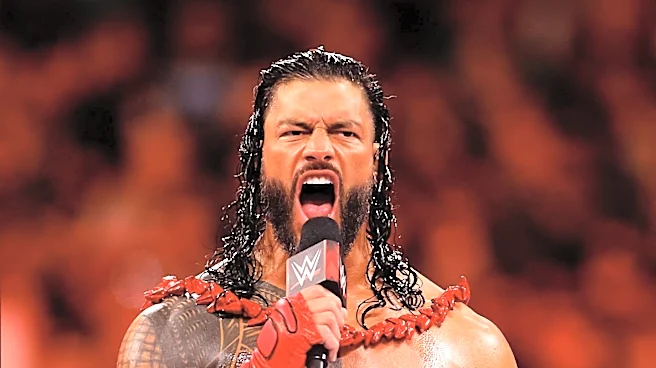
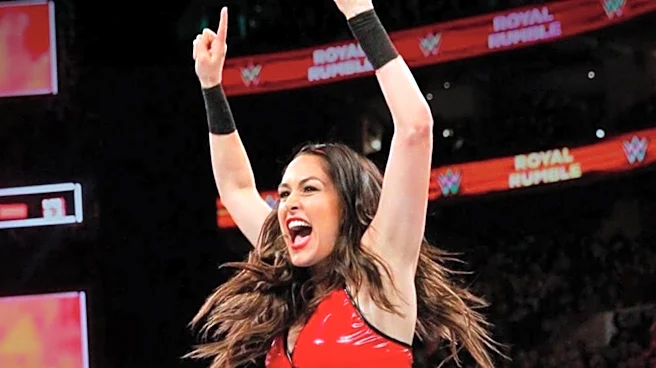
Following the 2015 Royal Rumble, WWE faced significant fan backlash after Roman Reigns won the event, despite widespread desire for Daniel Bryan to win. The crowd in Philadelphia booed Reigns, and even an endorsement from The Rock failed to appease fans,
leading to a trending #CancelWWENetwork hashtag. WWE's plans for the subsequent Raw episode, intended to build momentum for a match between Reigns and then-WWE World Heavyweight Champion Brock Lesnar, were further complicated by a nor'easter-fueled blizzard. This severe weather event forced the cancellation of the live Raw broadcast. In response, WWE implemented a contingency plan, re-airing the WWE title match and the Royal Rumble match from the previous night. They also conducted in-studio interviews at their Stamford headquarters, featuring Roman Reigns and Brock Lesnar, with Paul Heyman mediating, to fill the broadcast time.
Why It's Important?
This event highlights the significant impact that both fan sentiment and external factors, such as severe weather, can have on major entertainment organizations like WWE. The intense negative reaction from fans to Roman Reigns' Royal Rumble victory demonstrated a disconnect between the company's creative direction and its audience's preferences, leading to a public relations challenge. The #CancelWWENetwork hashtag indicated a direct threat to a key revenue stream and a strong signal of fan dissatisfaction. Furthermore, the blizzard-induced cancellation of a flagship live broadcast underscored the vulnerability of live entertainment to unforeseen circumstances, forcing rapid adaptation and reliance on contingency plans. This situation illustrates the complex interplay between audience engagement, creative control, and operational resilience in the entertainment industry.
What's Next?
While the immediate aftermath involved WWE adapting its broadcast schedule and content, the long-term implications for Roman Reigns' career and WWE's booking strategies were significant. The company continued to push Reigns as a top star, albeit with a more gradual approach to winning over the audience. This incident likely influenced future creative decisions, prompting WWE to be more attuned to fan reactions, especially in major events like the Royal Rumble. For the entertainment industry at large, such disruptions serve as a reminder of the necessity for robust contingency planning for live events, particularly concerning weather-related cancellations and managing public perception in the age of social media. The event also showcased the power of fan collective action in influencing narrative and business decisions.
Beyond the Headlines
The Royal Rumble 2015 fallout and the subsequent Raw cancellation reveal deeper insights into the dynamics of professional wrestling and live entertainment. It underscores the unique relationship between WWE and its fanbase, where audience participation, even in the form of dissent, is an integral part of the product. The incident also highlights the tension between long-term creative vision and immediate audience gratification. From a broader perspective, it exemplifies how real-world events, whether social or environmental, can unexpectedly intersect with and disrupt planned narratives in entertainment, forcing organizations to improvise and adapt. This situation serves as a case study in crisis management within a highly public and emotionally charged entertainment sphere, demonstrating the need for flexibility and responsiveness.