


What's Happening?
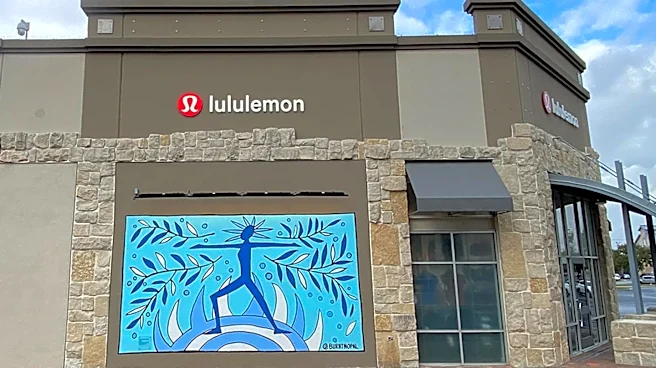
Lululemon Athletica Inc. is facing a class action lawsuit on behalf of investors who purchased securities between March 18, 2026, and September 3, 2026. The lawsuit alleges that Lululemon made false and misleading statements and failed to disclose critical
information during this period. Specifically, the complaint states that on September 3, 2026, Lululemon announced its fiscal second-quarter 2026 financial results, reporting lower-than-expected net revenue of approximately $2.42 billion. This figure missed consensus estimates by about $40 million and led to a significant reduction in the company's financial guidance for fiscal year 2026. Following this announcement, Lululemon's stock price dropped by $21.16 per share, a decline of over 17%, closing at $100.61 per share on September 4, 2026. The lawsuit claims that the company's store traffic and product demand were significantly deteriorating due to negative media and social media commentary, as well as softer-than-planned new product launches. These issues were allegedly downplayed by the defendants, who also overstated the strength of Lululemon's business and turnaround plan, particularly in North America and mainland China.
Why It's Important?
This class action lawsuit is significant for Lululemon as it challenges the integrity of its financial reporting and investor communications. The allegations of misleading statements and failure to disclose deteriorating business conditions could impact investor confidence and the company's reputation. A successful lawsuit could result in substantial financial penalties for Lululemon, affecting its profitability and stock performance. For investors, the outcome of this case will determine potential recoveries for losses incurred during the class period. The lawsuit also highlights the increasing scrutiny on corporate transparency and the potential legal repercussions for companies that fail to accurately represent their financial health and market conditions. The claims regarding declining store traffic and demand, if proven true, suggest underlying operational challenges that could affect Lululemon's long-term growth prospects in key markets like North America and mainland China.
What's Next?
Investors who purchased Lululemon securities between March 18, 2026, and September 3, 2026, have until January 4, 2027, to move the court to be appointed as lead plaintiff in the class action lawsuit. The legal proceedings will involve discovery, where evidence related to Lululemon's financial statements and internal communications will be examined. The company will likely defend against the allegations, asserting that its disclosures were accurate and compliant with regulations. Depending on the court's decisions and any potential settlement negotiations, the case could proceed to trial. The outcome will have implications for Lululemon's financial outlook and its approach to investor relations. Furthermore, the lawsuit's progression will be closely watched by other companies and investors as it could set precedents for corporate accountability regarding financial guidance and market disclosures.
Beyond the Headlines
Beyond the immediate financial and legal implications, this lawsuit touches upon broader themes of corporate responsibility and the influence of public perception on business performance. The complaint specifically mentions negative media and social media commentary as a factor contributing to deteriorating demand, underscoring the growing impact of digital platforms on consumer behavior and brand reputation. This highlights the challenge for companies like Lululemon to manage their public image and respond effectively to online sentiment. The allegations also raise questions about the effectiveness of internal controls and due diligence processes within corporations to ensure that financial guidance accurately reflects market realities. The case could prompt a re-evaluation of how companies assess and communicate risks related to consumer trends and market shifts, particularly in competitive retail sectors. The focus on North America and mainland China also points to the critical importance of these markets for global brands and the need for precise market analysis and strategic planning.