

What's Happening?
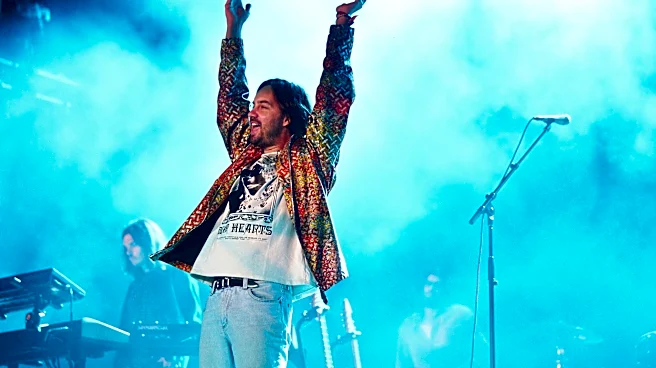
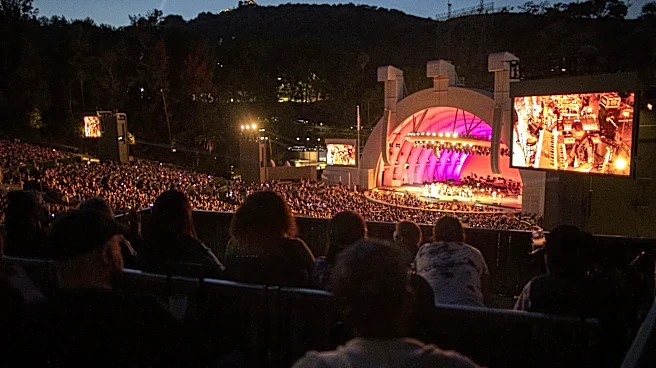
The band Guns N' Roses performed a concert at the Hollywood Bowl in Los Angeles, California, on October 29, 2026. Details regarding the setlist for this specific performance are available. This event highlights the continued activity of the band, known
for its rock music. The performance took place in a prominent U.S. venue, indicating a significant event for fans in the region. The information available primarily focuses on the concert itself and the band's presence at this specific location and date.
Why It's Important?
The performance of Guns N' Roses at the Hollywood Bowl is important for the entertainment industry, particularly for the music sector and live event organizers in the U.S. Such high-profile concerts contribute to the local economy through ticket sales, tourism, and related services. For fans, it represents an opportunity to experience a renowned band live, maintaining their engagement with classic rock music. The continued touring and performance of established bands like Guns N' Roses also demonstrate the enduring appeal of certain musical genres and artists, influencing trends in music consumption and live entertainment programming across the country.
What's Next?
While the provided information focuses on a past event, the continued activity of bands like Guns N' Roses suggests potential for future tours, album releases, or other engagements within the U.S. entertainment landscape. The success of such concerts often informs decisions for future bookings at major venues and can influence the scheduling of other musical acts. Fans will likely anticipate further announcements regarding the band's activities, and the industry will monitor the reception of such events to gauge market demand for similar performances.
Beyond the Headlines
The enduring popularity of Guns N' Roses, evidenced by their performance at a major venue like the Hollywood Bowl, reflects a broader cultural phenomenon in the U.S. where classic rock bands continue to draw large audiences. This trend highlights the nostalgic appeal of music from previous decades and its ability to transcend generations. It also underscores the economic viability of legacy acts in the modern music industry, challenging the notion that only new artists can dominate the live music scene. The cultural impact extends to how music history is preserved and celebrated through live performances.