




What's Happening?
The Federal Reserve's decision to keep interest rates steady has led to a significant increase in 30-year bond yields, reaching levels not seen since 2007. This decision, amidst rising oil prices, has caused stocks to fall sharply, with the S&P 500 dropping
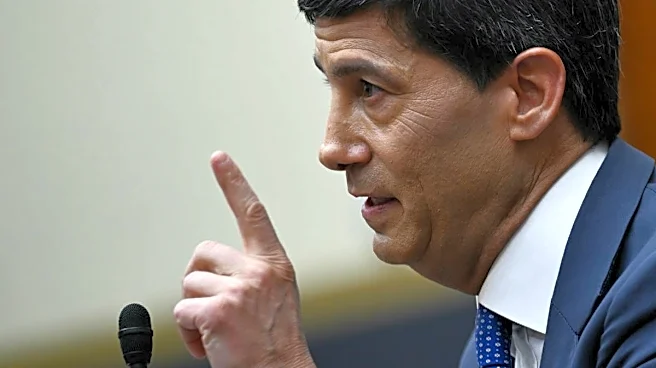
by 1.5% and the Nasdaq 100 entering a technical correction. Fed Chairman Kevin Warsh emphasized the central bank's commitment to tackling inflation, despite the lack of explicit forecasts, which has contributed to market volatility.
Why It's Important?
The Fed's decision and the resulting market reactions highlight the ongoing challenges in balancing economic growth with inflation control. The surge in bond yields reflects investor concerns about inflation and the Fed's future policy direction. This situation impacts various stakeholders, including investors, businesses, and consumers, as it influences borrowing costs, investment decisions, and overall economic confidence. The volatility underscores the delicate nature of monetary policy in the current economic climate.
What's Next?
Market participants will closely watch the Fed's future communications for any hints of policy changes. The central bank's approach to inflation and interest rates will be critical in shaping economic conditions and investor sentiment. Businesses may need to adjust their strategies in response to changing financial conditions, while consumers could face higher borrowing costs. The Fed's actions will continue to be a focal point for economic stakeholders as they navigate the evolving landscape.