

What's Happening?
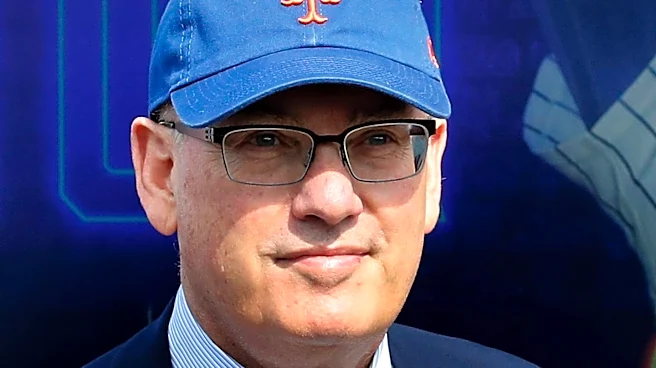
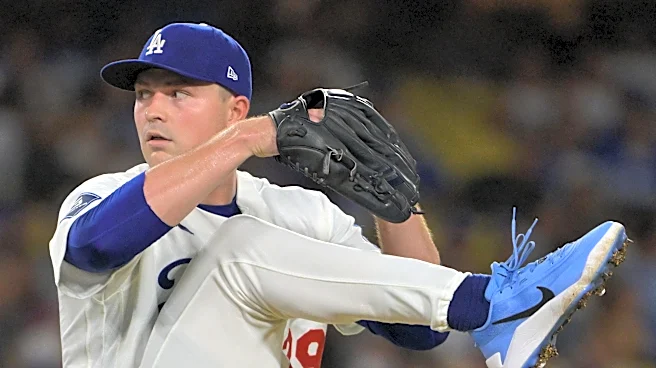
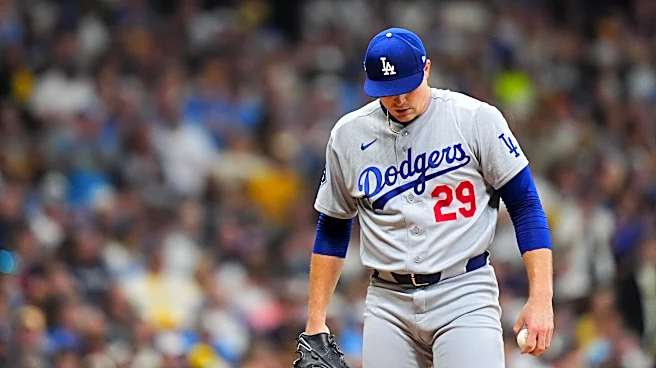
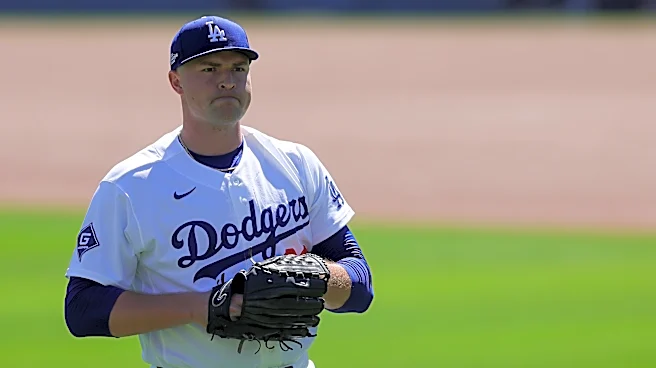
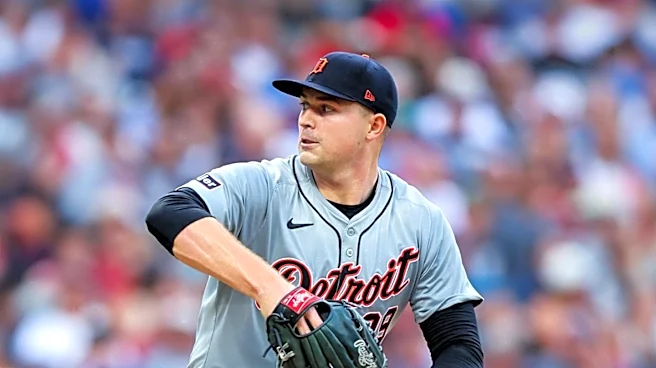
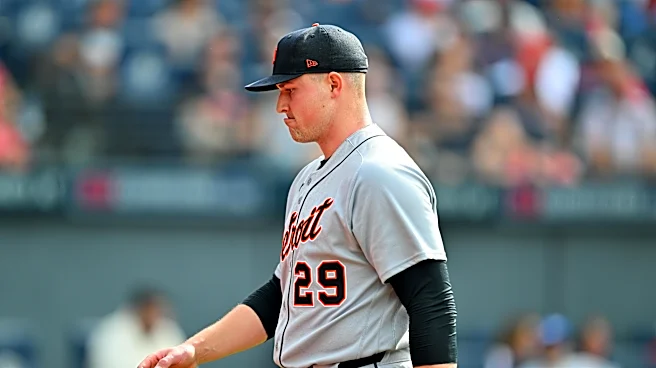
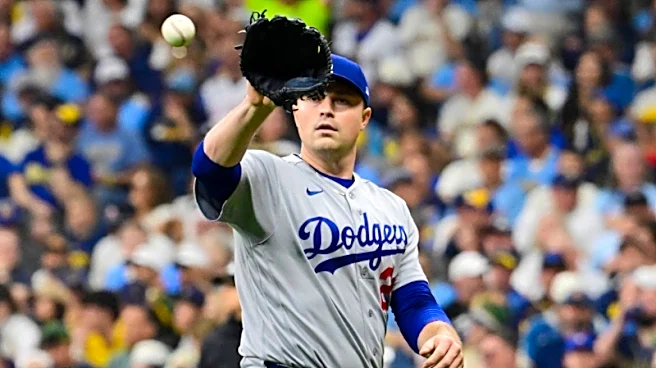
The New York Mets, under owner Steve Cohen, have signed two-time Cy Young Award winner Tarik Skubal to a nine-year, $450 million contract, which includes a full no-trade clause. This deal marks the largest contract ever awarded to a pitcher in baseball
history. This move is the latest in a series of high-profile free-agent acquisitions by the Mets, following the signing of outfielder Juan Soto for $765 million over 15 years in 2025 and infielder Bo Bichette for $126 million over three years last winter. In total, the Mets have committed over $1.3 billion in guaranteed money to these three players across three offseasons. Despite this significant spending, the team has not reached the postseason since signing Soto, finishing 83-79 in 2025 and last in the NL East at 74-88 in the most recent season. The Mets also recently agreed to an eight-year, $95 million extension with 22-year-old outfielder A.J. Ewing and a three-year, $12 million deal with left-handed reliever Darwinzon Hernández.
Why It's Important?
This record-breaking contract for Tarik Skubal underscores Steve Cohen's aggressive financial strategy and willingness to invest heavily in top-tier talent to build a championship-contending team. The deal significantly impacts the competitive landscape of Major League Baseball, particularly within the National League East, as it further solidifies the Mets' pitching rotation. For the Philadelphia Phillies and other NL East rivals, this move intensifies the pressure to make their own significant acquisitions to keep pace. The Mets' continued high spending also highlights the ongoing tension between team owners and the Players Association regarding payroll restrictions, especially with the current collective bargaining agreement set to expire soon. The league has proposed a salary cap and floor, which the union opposes, creating uncertainty about future spending limits and how teams like the Mets will operate under new rules.
What's Next?
The Mets still have needs to address, particularly at first base and in the bullpen, and it remains to be seen how much more owner Steve Cohen is willing to spend before the current collective bargaining agreement expires on December 1. The impending expiration of the CBA could lead to a lockout, which would halt player transactions and create further uncertainty for the upcoming season. The Phillies, a division rival, are actively pursuing their own offseason targets, including Japanese slugger Teruaki Sato, and will need to strategize how to counter the Mets' significant roster upgrades. The Braves are also looking to strengthen their rotation and offense, potentially competing with the Phillies for similar free agents. The actions of these teams in the coming weeks will be heavily influenced by the Mets' spending and the looming CBA deadline.
Beyond the Headlines
The Mets' unprecedented spending spree, culminating in the Skubal deal, raises broader questions about financial sustainability and competitive balance in professional sports. While it demonstrates a clear commitment to winning from ownership, it also fuels the debate about whether such massive expenditures create an uneven playing field, potentially pricing out smaller market teams. The strategy of investing heavily in established stars, as opposed to focusing solely on player development, reflects a high-risk, high-reward approach. If the Mets continue to underperform despite these investments, it could lead to scrutiny of the effectiveness of this spending model. Conversely, if they achieve sustained success, it could encourage other wealthy owners to adopt similar aggressive strategies, further escalating player salaries and potentially reshaping the economic structure of MLB.