




What's Happening?
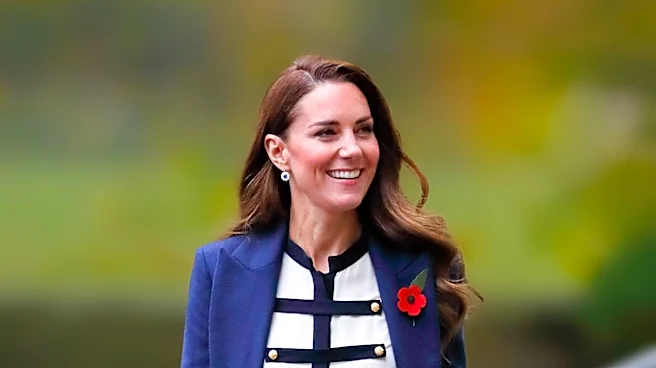
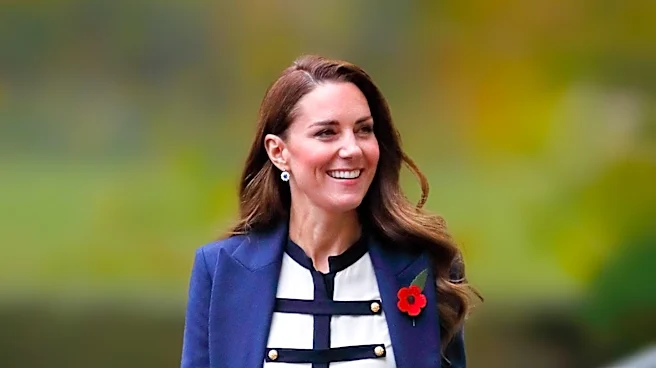
Kate Middleton, Princess of Wales, has been identified as the royal family's 'natural matriarch' after her appearance at the Remembrance Sunday service. Royal expert and body language expert Judi James, quoted by The Daily Express UK, stated that Middleton has taken
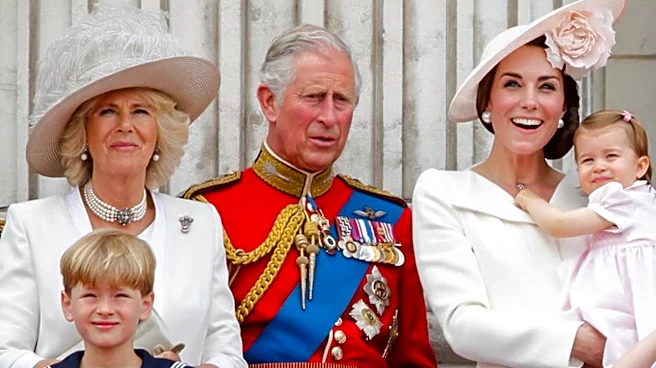
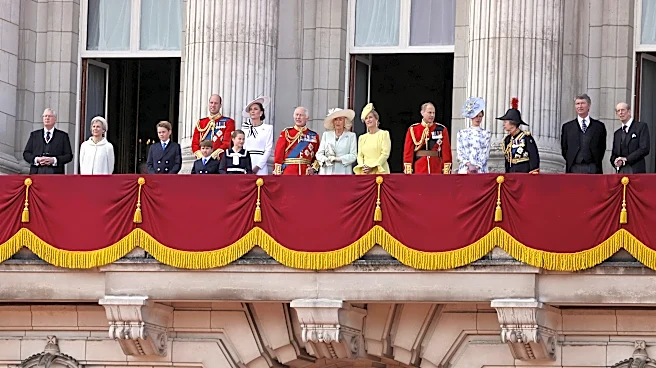
on a vital role previously held by the late Queen Elizabeth II, serving as a symbol of steadfast continuity. James observed Middleton's matriarchal strength in her interactions on the balcony, noting a warm, reassuring smile directed at Queen Camilla and an intense gaze towards Prince William, suggesting silent unity. Middleton's visible presence and gestures during the ceremony indicated her spiritual support for Prince William. King Charles led the nation in Remembrance at The Cenotaph, with Middleton, Prince William, Queen Camilla, and Princess Anne among other royals joining the monarch. The palace confirmed that the Royal Family united with others globally in thousands of ceremonies to observe two minutes of silence at 11 am, commemorating those who died in conflicts.
Why It's Important?
This development is significant as it highlights a potential shift in the internal dynamics and public perception of the British royal family. Kate Middleton's emergence as a 'natural matriarch' suggests a growing influence and stability she brings to the institution, particularly in a period marked by various challenges and changes. Her perceived role as a pillar of continuity, akin to the late Queen Elizabeth II, could reassure the public about the monarchy's future leadership and resilience. This positioning may also strengthen her public image and role as a key figure alongside Prince William, the future king. For the monarchy, having a strong, unifying figure like Middleton can be crucial for maintaining public support and navigating modern expectations, especially as King Charles III continues his reign and the family adapts to new roles and responsibilities.
What's Next?
As Kate Middleton's role as a 'natural matriarch' becomes more recognized, it is likely that her public engagements and influence within the royal family will continue to grow. This could translate into a more prominent public profile, potentially taking on more responsibilities or leading initiatives that align with her perceived steadying influence. Her interactions with other senior royals, particularly Queen Camilla and Prince William, will be closely observed for further indications of her evolving role. The public and media will likely continue to analyze her demeanor and actions for signs of her leadership and how she contributes to the stability and modernization of the monarchy. This enhanced role could also see her becoming a more central figure in guiding younger generations of royals and representing the family's values on a global stage.
Beyond the Headlines
The portrayal of Kate Middleton as a 'natural matriarch' extends beyond mere public appearance; it touches upon the evolving nature of royal leadership and the subtle power dynamics within the institution. In an era where monarchies face increasing scrutiny and demands for relevance, a figure embodying stability and continuity can be invaluable. This development could signify a strategic positioning by the royal family to project an image of strength and unity, particularly after periods of internal strife and public debate. Furthermore, it highlights the significant, albeit often understated, role of female figures in shaping the monarchy's public image and internal cohesion. Middleton's perceived ability to offer reassurance and unity could be a crucial element in ensuring the monarchy's enduring appeal and legitimacy in the 21st century, subtly influencing public perception of the institution's future direction.