






What's Happening?
LG Energy Solution, a major battery manufacturer, is significantly pivoting its North American operations from producing electric vehicle (EV) batteries to focusing on energy storage systems (ESS). By the end of this year, five of its eight factories
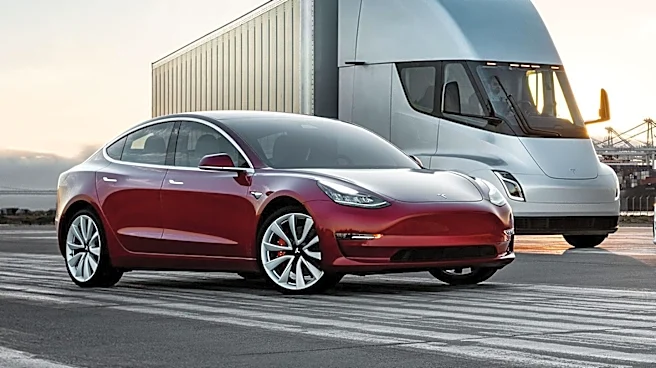
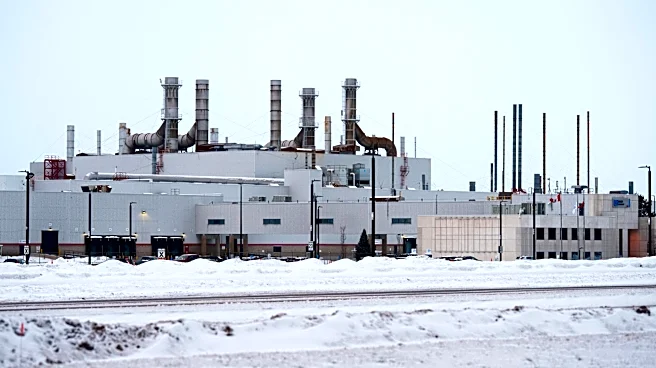
on the continent, including the NextStar Energy manufacturing facility in Windsor, Ontario, will be dedicated to making batteries for ESS. This strategic shift is driven by a booming demand for large battery cells to store power, particularly from the buildout of AI data centers, and a slower-than-anticipated growth in the EV market. Robert Lee, LG Energy's president for the region, noted that while the company was initially racing to make EV cells, the focus has now largely flipped to ESS. The Lansing, Michigan plant, for instance, is now making cells for utilities and will supply Tesla, a leader in the ESS market, in addition to producing batteries for Toyota Motor EVs. This pivot involves developing new battery chemistry, specifically lithium iron phosphate (LFP), which is safer and more durable for large-scale energy storage, despite having lower energy density than the nickel-based batteries typically used in EVs.
Why It's Important?
This strategic pivot by LG Energy Solution has significant implications for the U.S. energy and automotive sectors. The shift towards ESS production addresses a critical need for grid stability and renewable energy integration, especially with the increasing demand from AI data centers and the broader push for decarbonization. This could accelerate the deployment of grid-scale energy storage solutions, enhancing the reliability of the U.S. power infrastructure. For the EV market, LG Energy's move highlights the challenges faced by battery manufacturers and automakers who invested heavily in EV battery production based on earlier growth projections that have not fully materialized. While LG Energy still believes in the long-term growth of EVs, this immediate re-prioritization suggests a recalibration of expectations and investment strategies across the industry. It also underscores the growing importance of LFP battery technology, traditionally dominated by Chinese manufacturers, as a viable and safer alternative for large-scale energy storage applications in North America.
What's Next?
LG Energy Solution will continue to ramp up its ESS production capabilities, with five North American factories dedicated to this by year-end. The company's Lansing plant will be a key facility, supplying both utilities and major players like Tesla for ESS, while also continuing to produce EV batteries for Toyota. The industry will be watching to see if other battery manufacturers follow suit, adjusting their production strategies in response to the evolving market dynamics of EVs and ESS. While LG Energy maintains that EVs will eventually dominate the passenger vehicle market, the immediate future will likely see continued investment and innovation in energy storage solutions. The success of this pivot could also influence the development of LFP battery technology in North America, potentially reducing reliance on foreign suppliers for this critical component. The restart of production at the joint-venture plant with General Motors in Ohio for GM EVs indicates that LG Energy is maintaining a dual focus, adapting to both current market demands and long-term projections.
Beyond the Headlines
The pivot by LG Energy Solution reflects a broader re-evaluation within the clean energy sector regarding the pace of EV adoption versus the immediate demand for grid-scale energy storage. This shift could lead to a more diversified and resilient battery manufacturing ecosystem in North America, capable of addressing multiple facets of the energy transition. Ethically, it highlights the challenges of forecasting technological adoption and the need for flexibility in large-scale industrial investments. The increased focus on LFP batteries, known for their safety and durability, could also influence consumer perception and regulatory standards for battery technology across various applications. Culturally, it signifies a growing awareness of the interconnectedness of energy systems, where the rise of AI and data centers directly impacts the demand for energy storage, creating new market opportunities and technological imperatives. This dynamic interplay between different sectors of the clean energy economy will likely shape future investment and policy decisions.